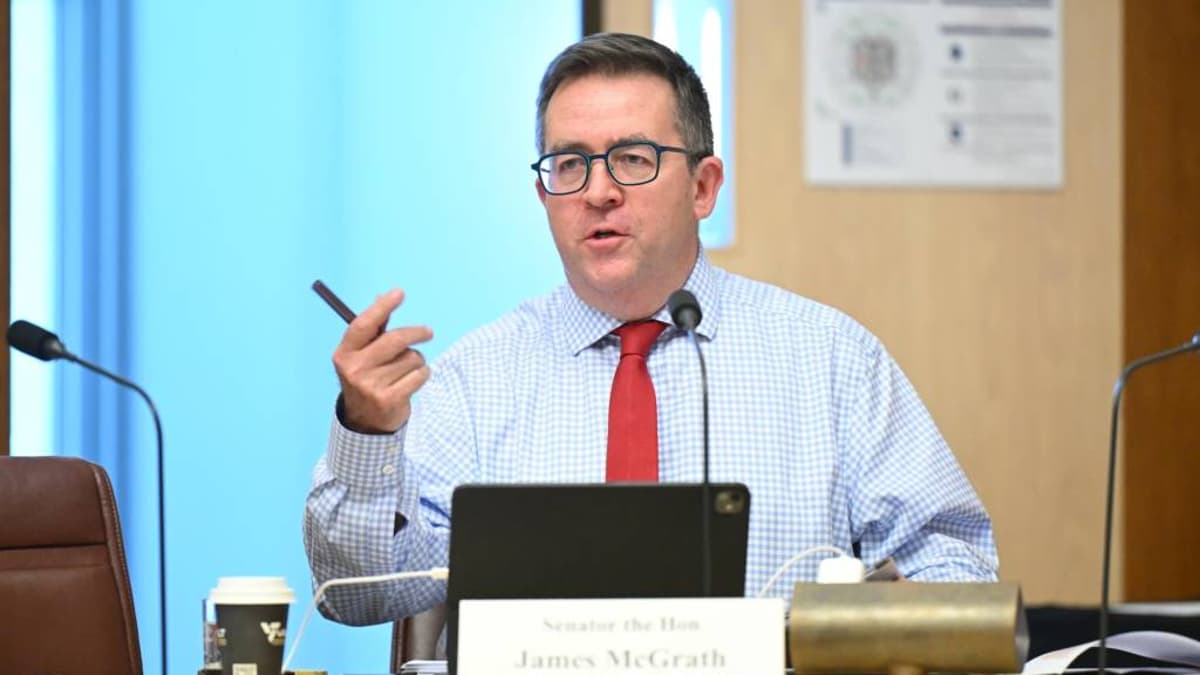
WhatsApp Breach Revealed During Estimates
Why It Matters
The breach underscores vulnerabilities in government communication channels and signals heightened foreign cyber‑espionage targeting Australian officials, potentially compromising policy deliberations and public trust.
Key Takeaways
- •Senator James McGrath and three staff had WhatsApp accounts compromised
- •Breach traced to foreign state actor, affecting official and personal devices
- •Incident occurred on March 9, 2026, disclosed during Senate estimates
- •Highlights gaps in Australian government’s cyber‑security oversight
- •Raises concerns about foreign interference under the Albanese administration
Pulse Analysis
The recent WhatsApp intrusion involving Senator James McGrath highlights a growing trend of state‑sponsored actors exploiting popular messaging platforms to infiltrate government communications. While WhatsApp touts end‑to‑end encryption, vulnerabilities arise when users link personal devices to official accounts, creating attack vectors that sophisticated adversaries can leverage. In this case, the foreign actor gained access to both personal and work phones, suggesting a lack of clear separation between official and private communications within parliamentary staff. Analysts note that such breaches can expose sensitive policy discussions, constituent data, and strategic plans, eroding confidence in digital tools that officials rely on daily.
Australia’s cyber‑security framework has struggled to keep pace with the rapid evolution of threat actors targeting democratic institutions. The Department of Parliamentary Services’ acknowledgment of the breach during Senate estimates points to systemic gaps in device management, multi‑factor authentication enforcement, and incident response protocols. Critics, including Senator McGrath, argue that the Albanese administration has not prioritized robust safeguards against foreign interference, a sentiment echoed by recent intelligence reports warning of increased activity from nation‑state hackers in the Indo‑Pacific region. Strengthening governance around personal device usage, mandating secure messaging alternatives for official business, and conducting regular penetration testing are among the measures experts recommend.
For businesses and policymakers, the incident serves as a cautionary tale about the importance of holistic digital hygiene. Companies operating in high‑risk sectors should audit their communication channels, enforce strict access controls, and educate employees on the dangers of blending personal and professional device usage. As governments worldwide grapple with similar challenges, the Australian experience may spur broader legislative action, potentially leading to stricter data protection laws and mandatory security certifications for messaging apps used in official capacities. Proactive investment in cyber‑resilience not only mitigates espionage risks but also safeguards the integrity of democratic processes.
WhatsApp breach revealed during estimates
Comments
Want to join the conversation?
Loading comments...