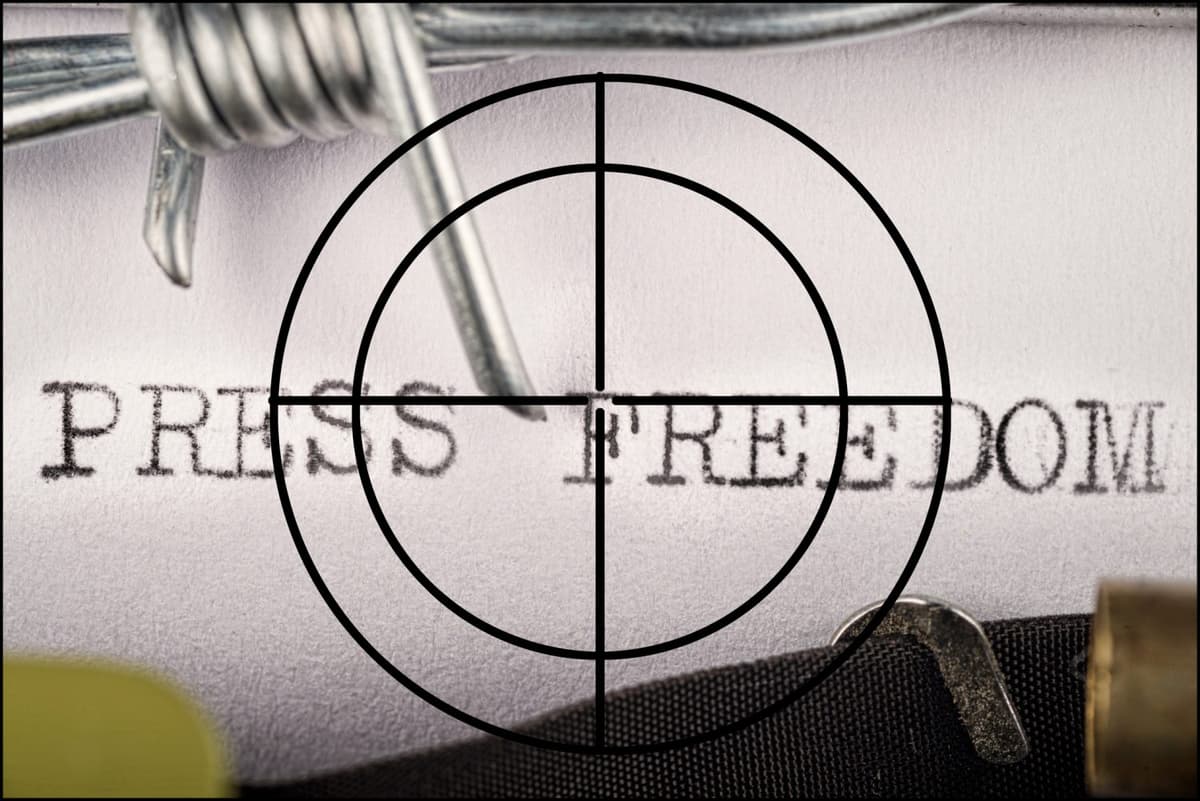
When the GDPR Is Weaponized to Shut Journalists up, Don’t Go Silently Into that Dark Night
•January 31, 2026
0
Companies Mentioned


Why It Matters
When privacy regulations become a weapon, press freedom erodes, undermining democratic accountability and public‑interest journalism.
Key Takeaways
- •GDPR right to erasure used in SLAPP suits
- •167 EU SLAPP cases filed in 2024
- •Italy leads with 21 new SLAPP suits
- •Business and politicians file two‑thirds of cases
- •Injunctions and DMCA takedowns also chill reporting
Pulse Analysis
The rise of GDPR‑based SLAPP suits marks a troubling convergence of data‑privacy law and strategic litigation. While GDPR was designed to protect personal data, its right‑to‑erasure clause is now being co‑opted by corporations and politicians to demand the removal of investigative stories. This tactic sidesteps traditional defamation defenses, allowing claimants to bypass higher evidentiary standards and impose costly compliance burdens on newsrooms. The 2024 SLAPP report, tracking 167 cases across 29 EU nations, highlights how the legal landscape is being reshaped to favour powerful interests over transparent reporting.
For journalists, the implications are immediate and severe. Beyond the courtroom, the threat of injunctions, super‑injunctions, and DMCA takedowns creates a chilling environment where editors may pre‑emptively censor content to avoid litigation. In the United States, high‑profile arrests of reporters covering protests underscore the willingness of authorities to use criminal law as a deterrent. In Europe, the EU‑wide media‑shield law remains under‑funded, leaving reporters vulnerable to costly legal battles that can drain resources and silence critical voices, especially on corruption and environmental abuse.
Addressing this emerging threat requires coordinated policy reforms and industry resilience. Advocacy groups like the Daphne Caruana Galizia Foundation and CASE are calling for stronger safeguards within GDPR and dedicated anti‑SLAPP legislation to protect journalistic activity. Media organisations must also invest in legal defense funds and adopt robust compliance protocols to navigate GDPR requests without compromising editorial independence. As law‑fare intensifies, preserving a free press will depend on both legislative action and a unified response from the journalistic community.
When the GDPR is weaponized to shut journalists up, don’t go silently into that dark night
0
Comments
Want to join the conversation?
Loading comments...