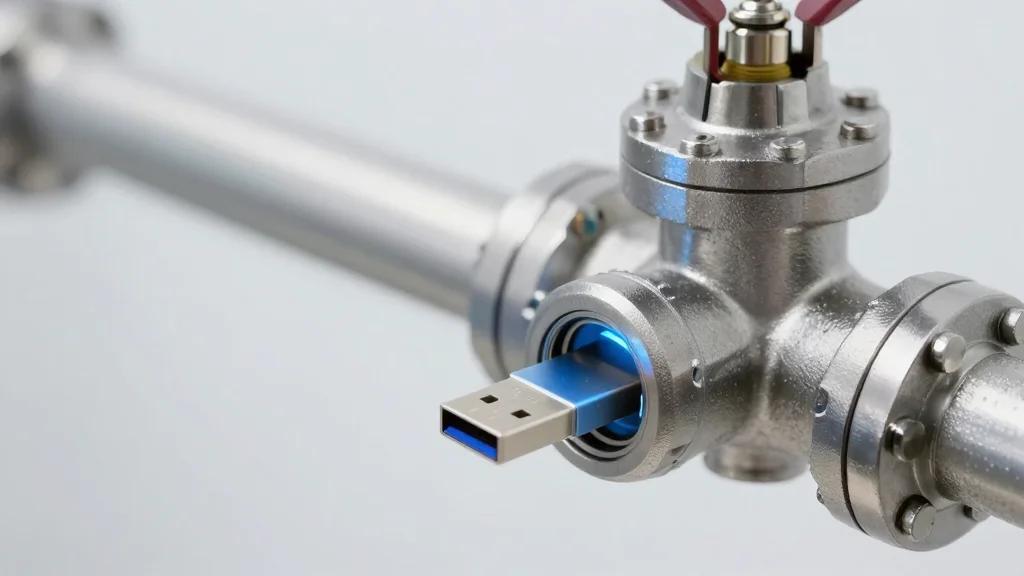
ZionSiphon Malware Designed to Sabotage Water Treatment Systems

Companies Mentioned
Why It Matters
If the validation flaw is patched, ZionSiphon could cause hazardous chemical releases and equipment damage, exposing water utilities to severe public‑health and operational risks. The discovery highlights the escalating cyber‑physical threat landscape targeting essential services.
Key Takeaways
- •ZionSiphon targets Israeli water and desalination facilities.
- •Malware manipulates chlorine dosage and hydraulic pressure via configuration files.
- •Flawed IP check triggers self‑destruct, preventing current attacks.
- •USB propagation enables spread to air‑gapped critical infrastructure.
- •Researchers warn future versions could fix bug and become operational.
Pulse Analysis
The emergence of ZionSiphon underscores a troubling shift in cyber‑crime toward operational technology (OT) environments that control physical processes. Water treatment and desalination plants rely on industrial control systems such as Modbus and DNP3, which historically received less attention than corporate IT networks. As nations and criminal groups recognize the disruptive potential of manipulating chemical dosing or hydraulic pressure, threat actors are investing in specialized malware that can bridge the gap between digital intrusion and tangible harm.
Technically, ZionSiphon demonstrates a hybrid approach: it scans for OT‑specific software, modifies configuration files to set chlorine dosage to dangerous levels, and attempts to propagate via USB drives—an effective vector for air‑gapped infrastructure. However, a flawed XOR‑based IP verification routine causes the malware to self‑destruct when it fails to confirm an Israeli IP range. This bug, identified by Darktrace, prevents immediate damage but also serves as a proof‑of‑concept that could be quickly patched in future iterations, turning the dormant code into an active weapon.
For water utilities and critical‑infrastructure operators, the lesson is clear: traditional perimeter defenses are insufficient. Organizations must adopt layered OT security strategies, including strict USB control, continuous monitoring of configuration files, and threat‑intelligence feeds that flag emerging malware families. Governments and industry groups should also prioritize information sharing to accelerate patch development and response planning. As geopolitical tensions drive more targeted cyber‑physical campaigns, proactive resilience measures will be essential to safeguard public health and maintain trust in essential services.
ZionSiphon malware designed to sabotage water treatment systems
Comments
Want to join the conversation?
Loading comments...