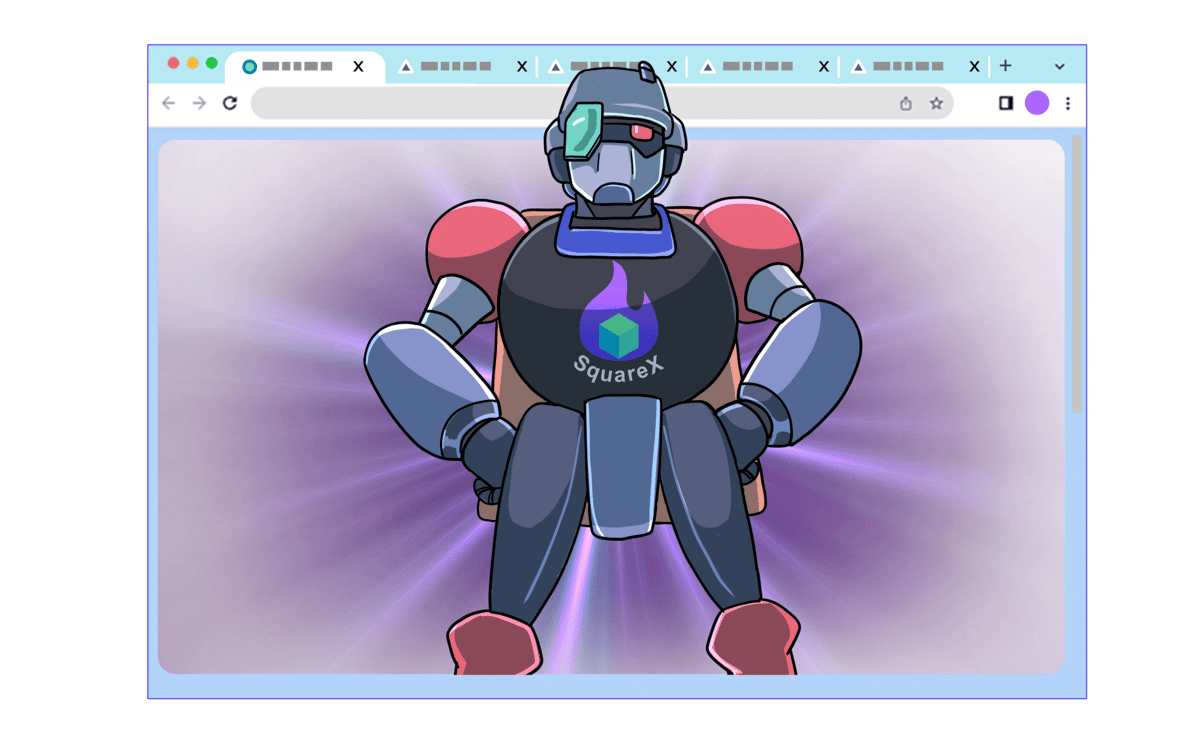
Zscaler Snaps up SquareX to Strengthen Browser Security without Enterprise Browsers
•February 6, 2026
0
Companies Mentioned

Zscaler
ZS

SquareX Ltd.

Microsoft
MSFT

GOOG
SpixAI Inc.

Wipro
WIPRO

Syn Ventures

Peak XV Partners Management
Why It Matters
Embedding real‑time browser protection into existing browsers broadens Zscaler’s zero‑trust reach and reduces reliance on costly, dedicated enterprise browsers, reshaping corporate security architectures.
Key Takeaways
- •Zscaler acquires SquareX for undisclosed amount
- •SquareX secures browsers via lightweight extensions
- •Technology detects phishing, session hijacking in real time
- •Offers disposable browser sessions for zero‑day protection
- •Acquisition expands Zscaler’s Zero Trust Exchange capabilities
Pulse Analysis
Browser‑based attacks have outpaced traditional network defenses, prompting vendors to look beyond URL reputation and perimeter firewalls. SquareX’s approach—monitoring in‑browser behavior and delivering a lightweight extension—addresses the gap by stopping threats at the point of interaction, whether a malicious script or credential‑stealing attempt. The disposable session model further isolates risk, allowing users to engage with suspicious content without exposing the underlying device, a capability increasingly demanded by security‑savvy enterprises.
Zscaler’s integration of SquareX into its Zero Trust Exchange platform represents a strategic pivot from legacy VPN and virtual desktop infrastructure toward a more granular, browser‑centric security model. By leveraging existing corporate browsers, Zscaler can enforce consistent policies across a heterogeneous workforce while avoiding the operational overhead of managing separate enterprise‑grade browsers. This move also complements the company’s AI‑driven insights from the recent SpixAI acquisition, creating a layered defense that combines behavioral analytics with real‑time threat interception.
The broader market is watching as Zscaler aims to set a new standard for secure web access. Competitors such as Netskope and Palo Alto Networks are similarly expanding browser protection offerings, but Zscaler’s focus on lightweight extensions and disposable sessions may provide a differentiated value proposition. Adoption will hinge on ease of deployment, integration with existing identity and access management stacks, and demonstrable reductions in breach risk. If successful, the acquisition could accelerate the industry’s shift toward zero‑trust architectures that protect users wherever the browser resides.
Zscaler snaps up SquareX to strengthen browser security without enterprise browsers
0
Comments
Want to join the conversation?
Loading comments...