AI for Hackers
Why It Matters
AI‑generated phishing dramatically raises the efficiency and success of cyber‑attacks, forcing enterprises to upgrade detection and awareness programs or risk heightened breach exposure.
Key Takeaways
- •AI tools now automate phishing email creation for attackers.
- •Hackers leverage ChatGPT, Gemini to improve language quality.
- •Automated AI phishing boosts click‑through rates and speed.
- •Security teams must anticipate AI‑generated social engineering attacks.
- •Traditional manual defenses become less effective against AI‑enhanced threats.
Summary
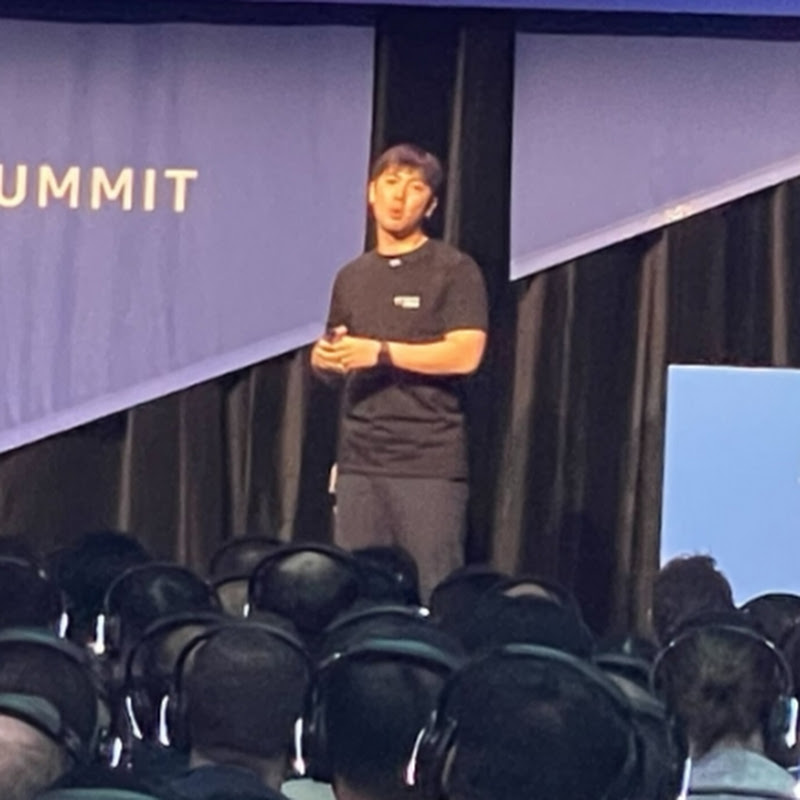
The video warns that artificial‑intelligence platforms are reshaping cyber‑crime, turning ordinary hackers into “ultimate” attackers by automating social‑engineering tactics. The presenter, a security engineer at a major tech firm, argues that the real threat isn’t new malware but AI‑generated phishing content that can be produced at scale.
He points out that threat actors no longer draft phishing messages by hand; instead they feed prompts into services like ChatGPT or Gemini to craft polished, linguistically flawless emails. This automation not only speeds up campaign rollout but also improves click‑through rates because the language appears more credible than typical amateur attempts.
A memorable line from the talk is, “Your English ain’t that good—just get AI to do it for you,” underscoring how AI lowers the skill barrier for effective phishing. He also notes that the same tools could be repurposed for deeper intrusion tactics, though he stops short of endorsing illicit use.
The implication for businesses is clear: traditional detection methods that rely on spotting clumsy language or repetitive patterns will falter. Organizations must invest in AI‑driven defenses, continuous threat‑intel updates, and employee training that emphasizes verification over trust in seemingly polished communications.
Comments
Want to join the conversation?
Loading comments...