US Targets China’s Military-Tech Firm Ties While Forging Its Own
Companies Mentioned


Why It Matters
The designations raise compliance and investment risks for U.S. firms dealing with Chinese tech giants and signal a broader shift toward self‑reliance in critical AI defense tools, reshaping the global tech‑defense landscape.
Key Takeaways
- •Alibaba, Baidu, BYD now on DoD’s 1260H military‑support list
- •Designations warn U.S. investors of heightened compliance risk
- •U.S. awarded $200 million to Anthropic, Google, OpenAI, xAI
- •Anthropic’s Claude AI used in operations despite supplier‑risk ban
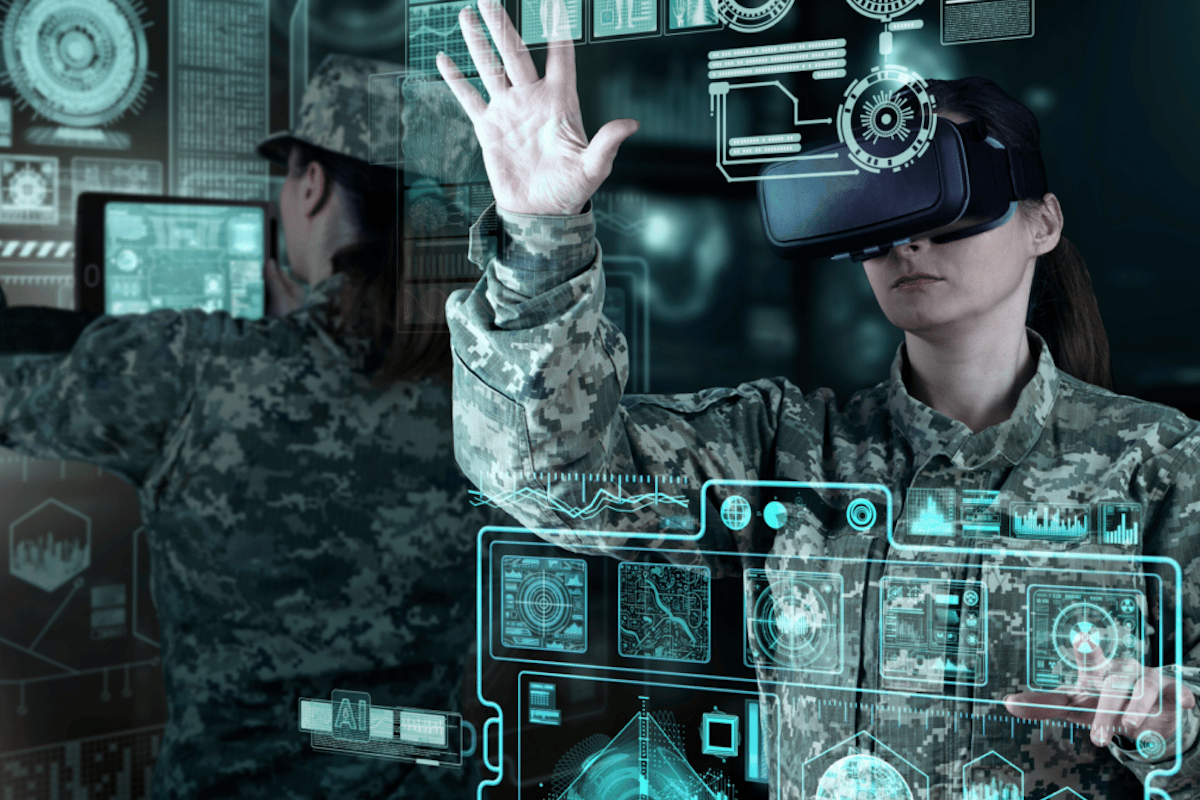
- •Both powers rely on private‑sector AI to power future militaries
Pulse Analysis
The Pentagon’s latest update to the 1260H roster reflects a deepening resolve to blunt China’s military‑civil fusion (MCF) strategy. By publicly naming Alibaba, Baidu and BYD, Washington signals that any U.S. defense contract or research funding will be off‑limits for firms deemed to aid the PLA. The move also serves as a caution to investors, who may face heightened scrutiny or future trade curbs. While the list does not instantly halt commercial activity, it tightens the regulatory environment and amplifies geopolitical risk for multinational supply chains.
Concurrently, the United States is accelerating its own AI‑driven defense agenda. A July 2025 DoD award of $200 million to Anthropic, Google, OpenAI and xAI aims to embed frontier models like Anthropic’s Claude into mission‑critical systems, from intelligence analysis to precision strike planning. Real‑world deployments, such as the AI‑enabled Maven Smart System used in Iran, demonstrate the operational edge these tools provide. However, the partnership is not without friction; the Trump administration labeled Anthropic a supply‑chain risk after the company refused to strip safety guardrails that block military use, leading to a federal ban that the DoD appears to sidestep.
The twin tracks of restriction and investment illustrate a broader strategic reality: modern warfare increasingly hinges on private‑sector innovation. For U.S. firms, navigating the tightened export controls while capitalising on domestic AI funding will be critical. Chinese companies, meanwhile, may pivot to more covert MCF tactics as explicit policy language softens. Investors and policymakers should monitor how these dynamics reshape the competitive balance in AI‑enabled defense, potentially redefining the rules of engagement in the next decade.
US targets China’s military-tech firm ties while forging its own
Comments
Want to join the conversation?
Loading comments...