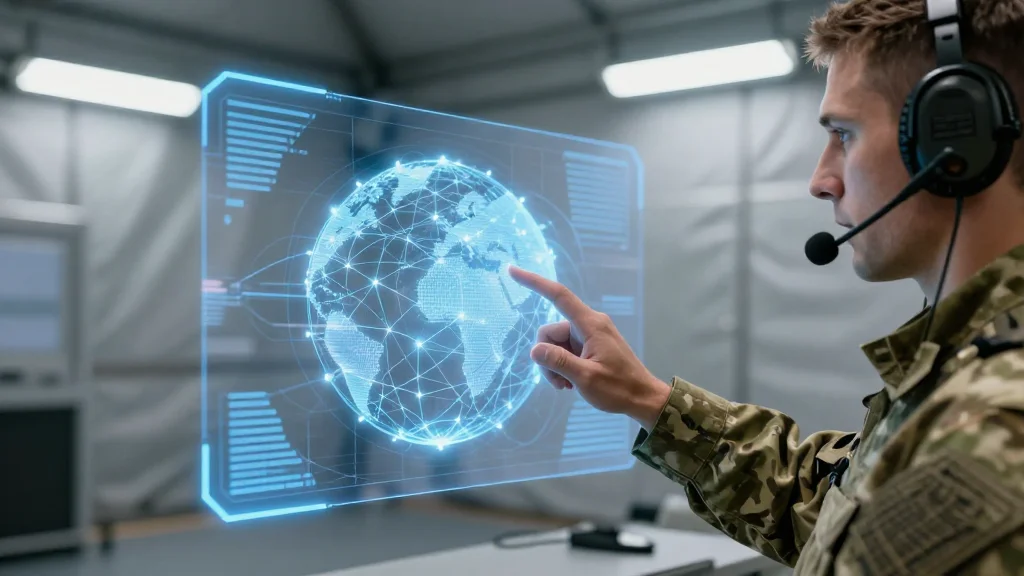
Why Most Enterprise Security Teams Would Fail a Military Readiness Test
Companies Mentioned


Why It Matters
Without military‑grade readiness, businesses risk prolonged downtime, reputational damage, and financial loss as attackers exploit faster, AI‑enhanced techniques. Implementing realistic, continuous training turns cyber defense into a resilient, operational capability.
Key Takeaways
- •Military cyber drills are continuous, real‑world, not annual tabletop
- •AI‑driven attacks raise success rates, prompting need for AI Proving Grounds
- •Enterprises should adopt “train like you fight” simulations to improve response
- •Clear chain‑of‑command and escalation paths reduce panic during incidents
- •Sharing threat intel via ISACs mirrors military collaborative defense
Pulse Analysis
The gap between military cyber forces and corporate security teams has widened as attackers leverage AI‑enhanced tools and supply‑chain vulnerabilities. High‑profile breaches at Jaguar Land Rover, Asahi Beer, and the Scattered Spider ransomware campaign illustrate how traditional, compliance‑focused defenses crumble under sustained pressure. Meanwhile, research from Cisco and Google shows that frontier AI models can be weaponized, delivering higher success rates in multi‑turn attacks than previously measured. This evolving threat landscape demands a shift from periodic tabletop exercises to continuous, realistic simulations that mirror the kinetic nature of modern cyber warfare.
Dynamic cyber ranges and the emerging concept of AI Proving Grounds provide the infrastructure for that shift. By recreating an organization’s exact environment and injecting live threat actors—human or AI—teams can practice detection, containment, and recovery under realistic stress. Embedding a clear chain‑of‑command, pre‑assigned decision makers, and defined escalation paths ensures that responders act decisively without the paralysis that often follows a breach. Training that mirrors the military mantra “train like you fight” builds muscle memory, reduces panic, and improves coordination across IT, PR, and executive stakeholders.
Beyond internal readiness, the article underscores the strategic value of collective defense. Just as militaries share intelligence across allies, enterprises should actively participate in ISACs, CERTs, and industry forums to pool threat data and best‑practice playbooks. This collaborative approach, combined with continuous, high‑fidelity simulations, elevates cyber resilience from a buzzword to an operational reality, positioning organizations to not only survive but recover swiftly from AI‑driven attacks and sophisticated ransomware campaigns.
Why most enterprise security teams would fail a military readiness test
Comments
Want to join the conversation?
Loading comments...