Why It Matters
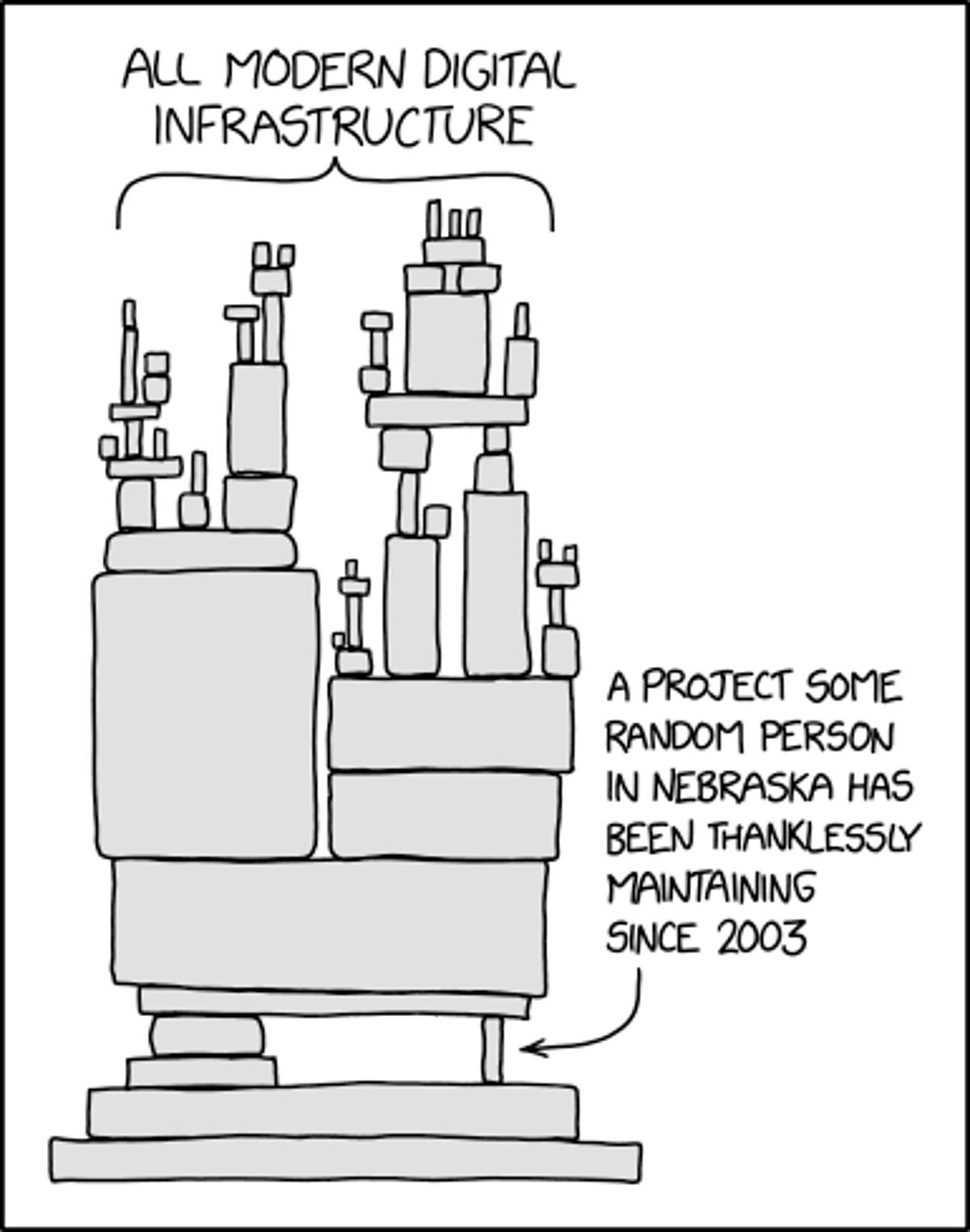
The loss of active maintenance for pgBackRest creates a security and reliability gap for enterprises relying on PostgreSQL backups, and it underscores systemic funding risks in critical open‑source infrastructure.
Key Takeaways
- •pgBackRest maintainer David Steele ends support after 13 years
- •Project relied on single sponsor; acquisition by Snowflake halted funding
- •Open‑source PostgreSQL tools face risk from corporate consolidation
- •Alternatives include pg_basebackup, Barman, WAL‑G, and cloud‑managed backups
- •Community forks may emerge, but migration planning is essential now
Pulse Analysis
The abrupt end of pgBackRest maintenance is a wake‑up call for any organization that built its disaster‑recovery strategy around a single open‑source tool. While the codebase remains functional through version 2.58.0, the absence of future security patches and compatibility updates leaves production PostgreSQL clusters exposed to emerging bugs and version‑drift. Companies that have long trusted pgBackRest for block‑level incremental backups, parallel restores, and multi‑cloud storage now face a strategic decision: invest in a migration or risk operating with an unsupported component.
Beyond the immediate technical concerns, Steele’s departure illustrates a deeper structural weakness in the PostgreSQL ecosystem. Critical projects often survive on the goodwill of a handful of sponsors; when a corporate acquisition shifts strategic priorities—as Snowflake’s purchase of Crunchy Data did—the funding pipeline can dry up overnight. This pattern repeats across the open‑source landscape, where essential infrastructure is maintained by small teams with limited financial backing, making the community vulnerable to market consolidation and budgetary whims.
Enterprises should treat this moment as an opportunity to diversify their backup stack. Native PostgreSQL tools like pg_basebackup with incremental support, EDB’s Barman, and the Go‑based WAL‑G each offer viable paths, though none are drop‑in replacements. Cloud providers also bundle managed backup services, but they come with their own lock‑in considerations. For organizations with the resources, sponsoring a community fork of pgBackRest could preserve its feature set while establishing a sustainable funding model. In any case, a proactive migration plan—spanning months rather than weeks—will mitigate risk and ensure continuity as the open‑source backup landscape evolves.
Christophe Pettus: Notice of Obsolescence
Comments
Want to join the conversation?
Loading comments...