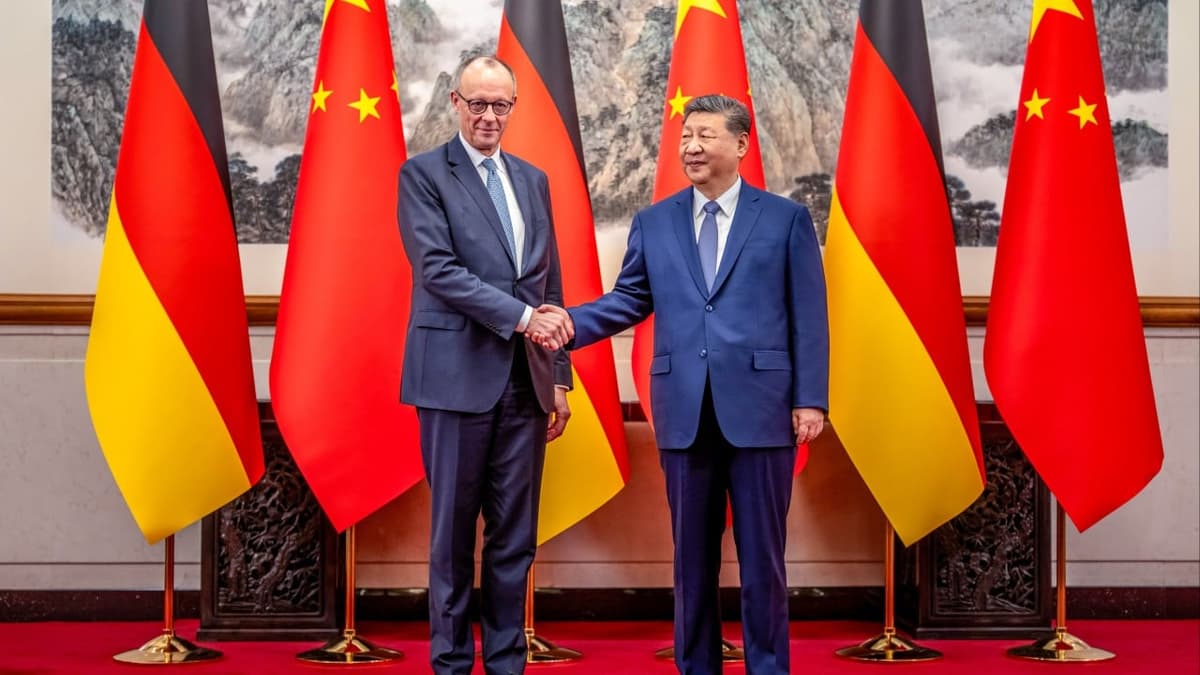
As Its Firms Look Overseas, China Overtakes US to Become Top Foreign Investor in Germany
Why It Matters
The realignment reshapes competitive dynamics in Europe, giving Chinese firms a strategic foothold while U.S. investors face heightened cost and political headwinds. It signals a broader pivot in global capital flows that could influence technology leadership and supply‑chain resilience.
Key Takeaways
- •China became Germany's largest single-country FDI source in 2025
- •US FDI to Germany fell amid energy and labor cost pressures
- •German firms face higher regulatory scrutiny from EU and US tensions
- •Chinese investments focus on renewable energy, AI, and automotive supply chains
- •Berlin aims to balance openness with security safeguards
Pulse Analysis
China’s ascent to the top spot in German foreign direct investment marks a notable pivot in Europe’s capital landscape. The German government’s 2025 data shows Chinese inflows outpacing U.S. contributions by a growing margin, driven by strategic bets on green energy, AI‑enabled manufacturing, and the country’s robust automotive ecosystem. This trend coincides with soaring energy prices and a tightening labour market that have eroded the cost advantage once enjoyed by American multinationals, prompting many to pause or redirect expansion plans.
For U.S. firms, the shift underscores a dual challenge: managing rising operational expenses while navigating an increasingly fraught transatlantic relationship. Companies now weigh the risk of regulatory scrutiny from both the European Union and domestic policymakers wary of over‑reliance on Chinese capital. As a result, many are exploring joint ventures, technology licensing, or alternative markets in Eastern Europe to preserve market access without exposing themselves to geopolitical volatility. The strategic recalibration also pushes American executives to prioritize supply‑chain diversification and invest in domestic innovation to stay competitive.
Berlin’s response balances openness to foreign capital with heightened security safeguards. Policymakers are tightening review processes for critical‑technology investments, aiming to protect intellectual property while still attracting the funds needed for Germany’s energy transition and digital upgrade. This nuanced stance could set a template for other EU nations facing similar pressures. Over the next few years, the interplay between Chinese investment momentum and U.S. strategic retreat will shape Germany’s industrial competitiveness, influencing everything from job creation to the country’s role in global technology standards.
As its firms look overseas, China overtakes US to become top foreign investor in Germany
Comments
Want to join the conversation?
Loading comments...