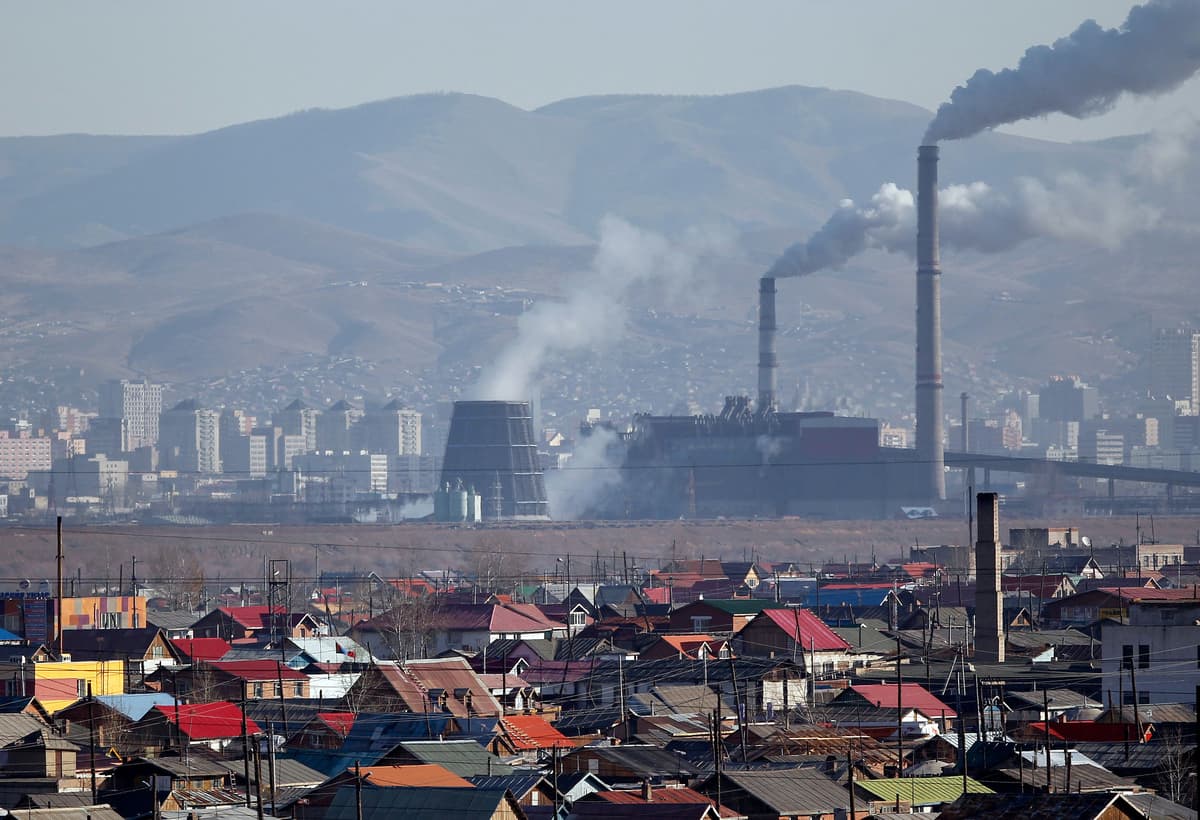
Sixty Nations Agree to Landmark Climate Accord
Companies Mentioned




Why It Matters
The intersecting forces of geopolitical tension, AI‑fuelled growth, and inflationary pressure are reshaping global capital flows and corporate strategy, forcing policymakers and investors to reassess risk and opportunity.
Key Takeaways
- •US Q1 2026 GDP up 2%, AI spending leads growth.
- •Iran‑Hormuz blockade pushes crude near $120/barrel, straining energy markets.
- •Europe risks stagflation as growth stalls and inflation hits 3%.
- •China’s factories expand despite war, but car sales fall.
- •Big Tech AI spend fuels rally, but margin outlook remains uncertain.
Pulse Analysis
The Iran‑Hormuz standoff has become a flashpoint for global energy markets, with crude prices flirting with $120 per barrel. By threatening the world’s most critical oil transit route, the conflict forces governments and shipping firms to contemplate costly alternatives, while U.S. policymakers weigh a coalition to keep the strait open. The heightened risk premium is already echoing through commodity futures, inflating input costs for manufacturers and adding a layer of uncertainty to inflation forecasts worldwide.
Domestically, the United States is navigating a paradox of modest growth and soaring AI investment. The 2% GDP increase, driven primarily by private sector spending on artificial‑intelligence infrastructure, signals that the technology sector remains a growth engine even as consumer confidence wanes. Big‑tech giants such as Alphabet, Apple, and Amazon posted earnings beats, yet their soaring AI budgets have sparked a debate over margin sustainability. Investors are now scrutinizing whether the current wave of AI spend will evolve into the high‑margin software model that once justified similar hype cycles.
Beyond the immediate market reactions, the ripple effects touch Europe, China, and emerging economies. Europe’s 0.1% Q1 growth and 3% inflation hint at an early stagflation stage, pressuring central banks to balance rate hikes against slowing demand. China’s manufacturing output continues to rise, insulated by robust export demand, but a dip in domestic car sales underscores consumer fragility. Meanwhile, the U.S.‑China tech rivalry intensifies, with cross‑border AI collaborations facing new regulatory hurdles. Together, these dynamics illustrate how geopolitical flashpoints, technological investment, and macro‑economic trends are converging to reshape the global economic landscape.
Sixty nations agree to landmark climate accord
Comments
Want to join the conversation?
Loading comments...