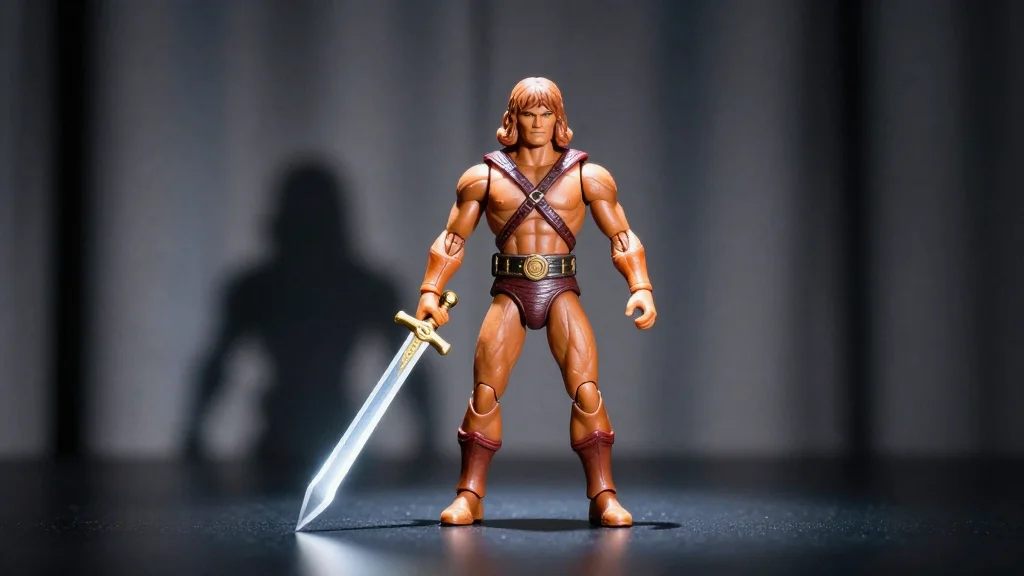
Mattel Bets on 'Masters of the Universe' To Chase Barbie’s Box‑office Surge

Companies Mentioned
Why It Matters
Mattel’s reliance on a single film to lift its fortunes underscores a broader shift in the entertainment‑toy ecosystem, where legacy brands are repurposed as cinematic events to drive cross‑selling. The post‑Barbie era has shown that nostalgia can translate into blockbuster revenue, but it also raises the stakes for companies that must deliver both box‑office hits and sell‑through merchandise. A successful "Masters of the Universe" launch could validate the model of aligning toy design, film production, and gaming platforms, encouraging other manufacturers to pursue similar multi‑channel strategies. Conversely, a weak performance would reinforce the risk inherent in betting on nostalgia alone. Investors have already signaled impatience, and a flop could accelerate calls for strategic alternatives, including a possible sale or deeper partnership with a major studio. The outcome will therefore shape not only Mattel’s next fiscal plan but also the future of toy‑driven franchise filmmaking.
Key Takeaways
- •Mattel targets a $25‑$35 million opening weekend for "Masters of the Universe" in the U.S. and Canada.
- •The film’s $170 million budget follows a $1.2 billion share‑buyback program and a planned $1.5 billion repurchase over three years.
- •CEO Ynon Kreiz says the movie stays true to the brand while feeling contemporary, amid a 30% stock decline.
- •Director Travis Knight highlighted the technical challenge of turning the Roton toy into a functional product.
- •An exclusive Amazon Luna game launches June 5, creating a coordinated film‑gaming merchandising push.
Pulse Analysis
Mattel’s approach mirrors the playbook that turned "Barbie" into a cultural phenomenon: a high‑budget, star‑studded film paired with an aggressive merchandising rollout. The $170 million production cost is sizable for a toy‑based property, but it reflects confidence that the nostalgia premium can offset risk. By securing Amazon MGM’s full backing and integrating a Luna exclusive, Mattel is hedging against the volatility of pure box‑office returns, turning the release into a multi‑platform event.
Historically, He‑Man’s previous cinematic attempts flopped, most notably the 1987 live‑action version. The new film benefits from a generation of creators who grew up with the franchise and now wield the creative clout to respect its visual language while updating its tone. Knight’s emphasis on “colorful, vibrant” design and the inclusion of iconic characters should satisfy core fans, while the involvement of Jared Leto and Idris Elba broadens demographic reach. The real test will be whether the toy line can convert cinema buzz into shelf sales; the Roton’s complex engineering suggests Mattel is willing to invest in premium products that stand out in a crowded market.
If the opening meets or exceeds the $30 million midpoint, Mattel could justify a sequel pipeline, effectively turning He‑Man into a franchise anchor similar to "Barbie" and "Super Mario." A sub‑par performance, however, would likely intensify pressure from activist investors like Southeastern Asset Management, who have already floated a privatization scenario. In that case, Mattel may need to pivot toward licensing deals rather than in‑house film production, reshaping its long‑term entertainment strategy. The stakes are high, and the next box‑office weekend will be a bellwether for the viability of toy‑driven blockbuster models in the post‑Barbie landscape.
Mattel bets on 'Masters of the Universe' to chase Barbie’s box‑office surge
Comments
Want to join the conversation?
Loading comments...