Reggie Fils-Aimé Explains What It Takes for Nintendo to Entrust Their IP to Other Companies
Companies Mentioned
Why It Matters
Nintendo’s selective licensing strategy determines how premium franchises reach third‑party developers, shaping revenue potential and industry partnership models.
Key Takeaways
- •Nintendo protects roughly ten core franchises across each console generation
- •External use of IP requires long‑term trust and proven relationships
- •Small developers like Next Level Games can earn Mario licensing
- •Partnerships are rare, only after demonstrated commitment to Nintendo’s brand
- •Licensing decisions impact revenue and industry collaboration dynamics
Pulse Analysis
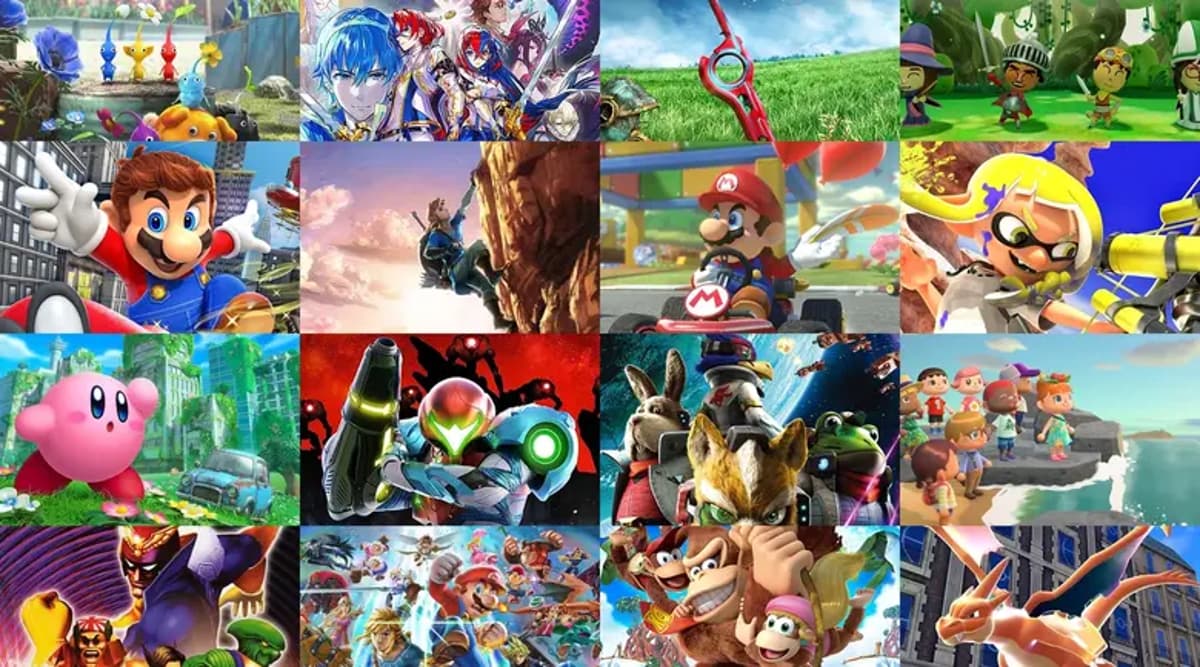
Nintendo’s intellectual property is the engine behind its enduring market dominance. With only about ten core franchises—such as Mario, Zelda, and Pokémon—driving each console generation, the company treats these assets as strategic capital rather than mere content. The scarcity of high‑profile IP means that any external use carries significant brand risk, prompting Nintendo to keep licensing decisions tightly controlled. This protective stance safeguards the consistency of gameplay experiences and preserves the premium perception that fuels hardware sales and long‑term fan loyalty.
At a recent NYU talk, former president Reggie Fils‑Aimé explained that trust, not just talent, unlocks Nintendo’s vault. The company looks for long‑term relationships, often cultivated over multiple projects, before handing over the keys to a beloved character. The collaboration with Next Level Games, a modest Vancouver studio that produced several Mario & Luigi titles, exemplifies this model: after proving its commitment to Nintendo’s quality standards, the developer earned the right to craft new entries in the franchise. This incremental approach allows Nintendo to experiment with fresh ideas while minimizing exposure to brand dilution.
The broader implication for the video‑game ecosystem is a heightened barrier to entry for studios seeking marquee licenses. While this protects Nintendo’s brand equity, it also concentrates creative opportunities among a select group of trusted partners, potentially limiting diversity in third‑party offerings. However, the strategy can spur innovation within those trusted circles, as developers are incentivized to build deep, collaborative pipelines. As the industry evolves toward live‑service models and cross‑media expansions, Nintendo’s relationship‑first licensing framework may become a benchmark for balancing brand stewardship with external creativity.
Reggie Fils-Aimé explains what it takes for Nintendo to entrust their IP to other companies
Comments
Want to join the conversation?
Loading comments...