Study: TV Remains Dominant Influencer in US Purchase Decisions
•March 10, 2026
0
Companies Mentioned
Why It Matters
Advertisers can justify continued investment in linear TV to maximize reach and conversion, while brands must integrate TV messaging with digital tactics to capture search‑driven intent.
Key Takeaways
- •TV outperforms all media in purchase funnel influence
- •Awareness impact five times higher than social media
- •Local TV news trusted by 70% of adults
- •89% say TV ads drive online searches
- •Streamers still rely on linear TV for awareness
Pulse Analysis
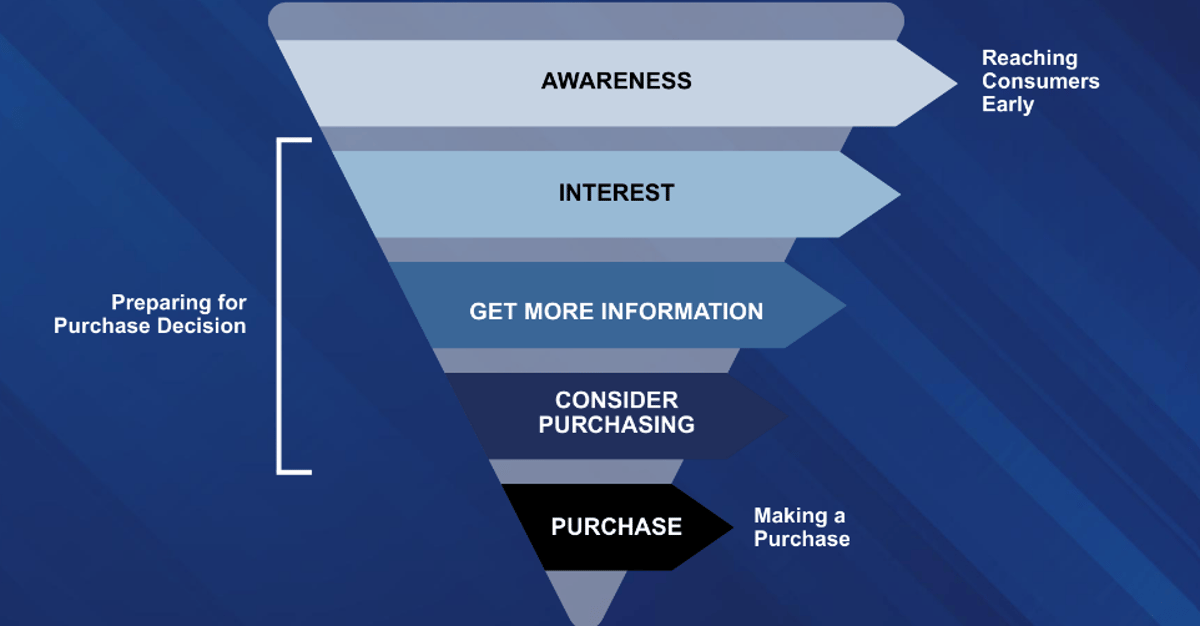
The latest TVB Purchase Funnel Study provides a data‑driven rebuttal to the narrative that linear television is in irreversible decline. Surveying more than 20 media platforms, the research shows TV delivering the highest influence at every funnel stage—from initial awareness to final purchase. In the awareness phase, TV’s impact was five times greater than social media and seven times higher than YouTube‑style streaming video. This dominance held steady across age brackets, income levels, and ethnic groups, confirming television’s broad demographic reach and its unique ability to spark consumer interest.
For marketers, the findings translate into a clear budgetary signal: allocate a meaningful share of spend to local broadcast assets, especially news and digital extensions, which earned a 70 % trust rating. The study also highlights the synergistic effect of TV exposure on digital behavior—89 % of respondents reported that TV ads prompted online searches, and 87 % engaged with ads on station websites or apps. Brands that layer targeted digital follow‑ups on TV‑driven awareness can capture high‑intent shoppers while preserving the credibility that television confers.
Looking ahead, the data suggests that television and streaming will coexist rather than compete. Even heavy users of short‑form platforms such as YouTube identified local broadcast news as their most trustworthy source, and linear TV remained the top awareness driver for this cohort. Advertisers should therefore treat TV as a foundational pillar in omnichannel strategies, using advanced attribution models to link TV impressions to search and site traffic. As measurement tools evolve, the industry can better quantify TV’s ROI, reinforcing its role as a catalyst for both brand building and direct response.
Study: TV remains dominant influencer in US purchase decisions
0
Comments
Want to join the conversation?
Loading comments...