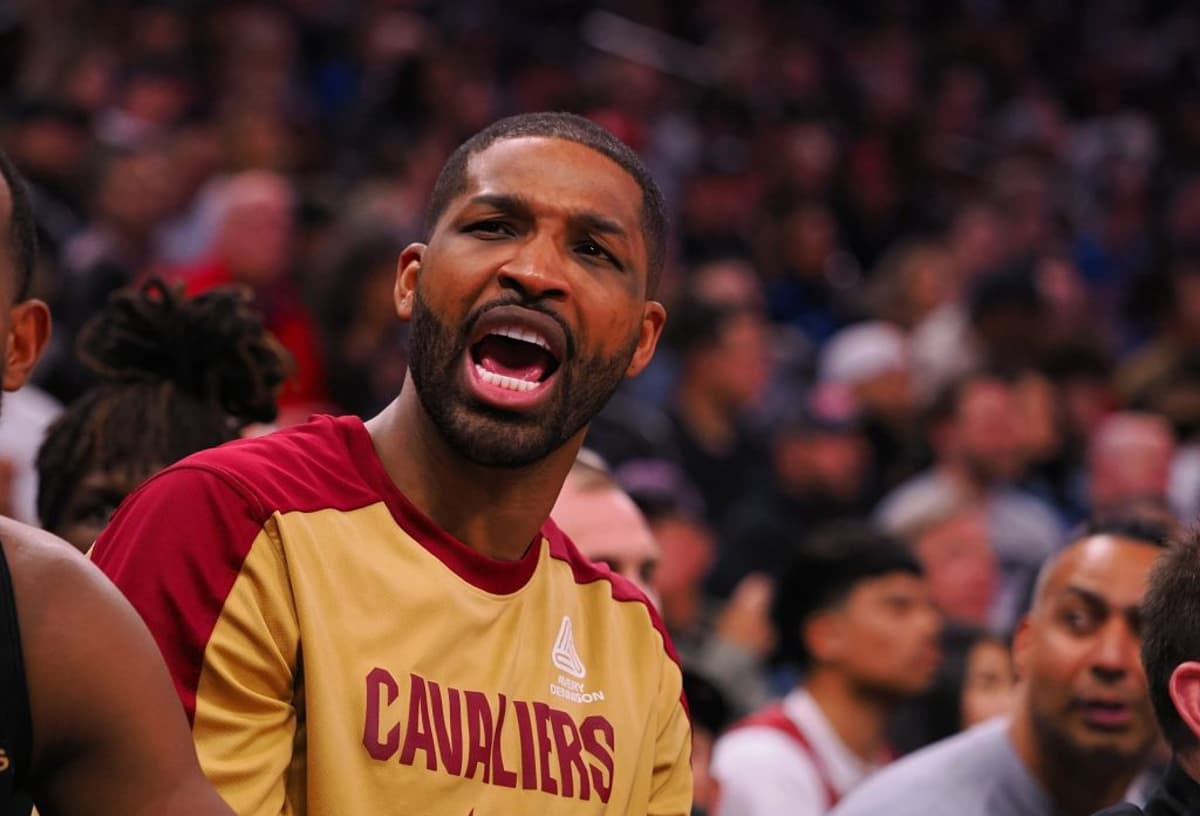
Tristan Thompson Sues After Crypto Company Ends His Deal Early
Companies Mentioned


Why It Matters
The case highlights growing legal risk for athletes entering crypto endorsement deals and underscores the importance of clear NIL protections in a volatile digital‑asset market.
Key Takeaways
- •Thompson sues World Mobile for $2 M token endorsement breach
- •Company allegedly terminated contract citing over‑issued tokens
- •Token price fell >95% from $0.98 to under $0.05
- •Lawsuit seeks unpaid tokens, damages, and NIL usage injunction
- •NIL misuse could affect athlete endorsement standards in crypto
Pulse Analysis
Athlete endorsements have become a staple of cryptocurrency marketing, offering firms instant credibility while giving players exposure to emerging digital assets. Tristan Thompson’s agreement with World Mobile promised up to $2 million in WMTX tokens over two years, a structure that mirrors many recent deals where compensation is tied to token performance rather than cash. While such arrangements can be lucrative, they also expose athletes to market volatility; the WMTX token has slumped from roughly $0.98 in early 2022 to under $0.05, eroding the value of promised compensation and raising questions about risk allocation.
The lawsuit filed in Delaware’s Chancery Court alleges that World Mobile fabricated a breach by claiming Thompson failed to return over‑issued tokens and sold them, despite the company’s own accounting error. Thompson’s complaint argues that the termination was a pretext to avoid paying the remaining token installments and that the firm continues to exploit his name, image and likeness (NIL) without consent. By seeking both monetary damages and an injunction on NIL usage, the suit emphasizes that reputational harm and loss of control over personal branding can be as damaging as the financial shortfall, especially in a sector where regulatory oversight is still evolving.
Beyond the individual dispute, the case signals heightened scrutiny of crypto firms’ endorsement practices. As regulators worldwide tighten rules around securities and advertising, companies must ensure contracts are transparent and that athletes retain enforceable NIL rights. The outcome could set a precedent for how token‑based compensation is structured, potentially prompting more cash‑based guarantees or escrow arrangements to protect both parties. For athletes, the litigation serves as a cautionary tale to conduct thorough due diligence before aligning with volatile digital‑asset projects, reinforcing the need for robust legal safeguards in the rapidly expanding intersection of sports and crypto.
Tristan Thompson Sues After Crypto Company Ends His Deal Early
Comments
Want to join the conversation?
Loading comments...