World Cup Ads, Beer Runs, AI Shopping: Marketers Discover Americans Suddenly Care About Soccer
Why It Matters
The surge in soccer enthusiasm translates into measurable sales lifts and reallocated marketing spend, reshaping the U.S. consumer landscape for the next decade. Brands that capitalize now can lock in loyalty from a newly engaged fan base.
Key Takeaways
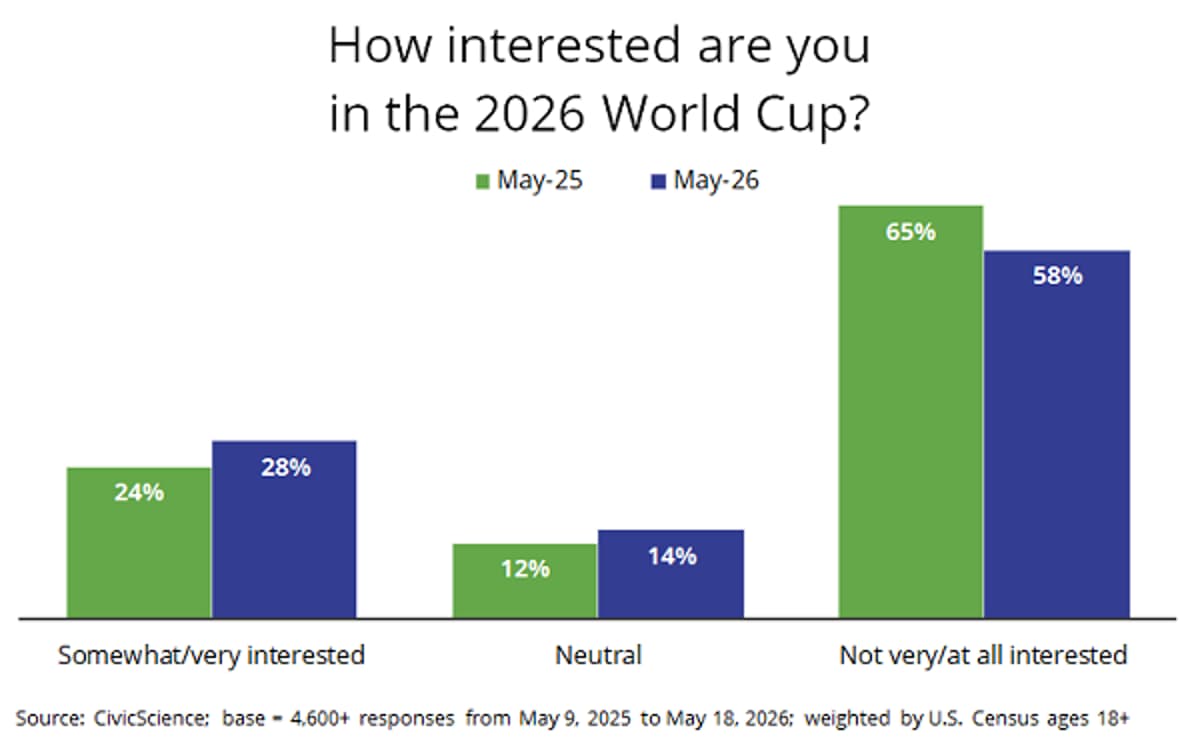
- •U.S. World Cup interest up 45% from 2025 to 2026
- •Major beer makers launched limited‑edition packs tied to matches
- •AI‑driven shopping bots suggest soccer merchandise in real time
- •Ad budgets shifted, with 30% more spend on soccer campaigns
- •Retailers report 20% sales lift for soccer‑related products
Pulse Analysis
The 2026 FIFA World Cup, the first ever staged across three North American cities, has ignited a cultural shift that marketers can no longer ignore. Historically, U.S. advertisers treated soccer as a niche sport, allocating modest sponsorships and hoping for a trickle‑down effect. The latest Nielsen and YouGov data, however, reveal a 45% jump in adult interest within a single year, prompting a wave of high‑visibility ad placements during primetime broadcasts, stadium signage, and digital streams. This surge is not merely a fleeting hype; it reflects a broader appetite for global sports content among younger, multicultural audiences who are increasingly influencing household spending.
Brands are translating this enthusiasm into concrete revenue opportunities. Beer giants such as Anheuser‑Busch and MillerCoors introduced limited‑edition cans featuring national team colors, driving a 12% uplift in sales during match weekends. Simultaneously, apparel and footwear companies are deploying AI‑powered recommendation engines that surface soccer jerseys, sneakers, and accessories the moment a consumer searches for related terms. Early reports indicate a 20% sales lift for soccer‑themed merchandise, while ad spend on soccer‑centric campaigns has risen by roughly 30%, equating to an estimated $200 million additional investment across the sector.
The long‑term implications extend beyond the tournament itself. Marketers are building data lakes around fan behavior, using insights to inform year‑round engagement strategies such as fantasy leagues, localized pop‑up events, and subscription‑based streaming bundles. As AI continues to refine real‑time targeting, brands that embed soccer into their core narrative stand to capture a durable segment of the U.S. market—one that values authenticity, community, and the global appeal of the beautiful game. Companies that act now will likely secure a competitive edge as soccer cements its place in American pop culture.
World Cup Ads, Beer Runs, AI Shopping: Marketers Discover Americans Suddenly Care About Soccer
Comments
Want to join the conversation?
Loading comments...