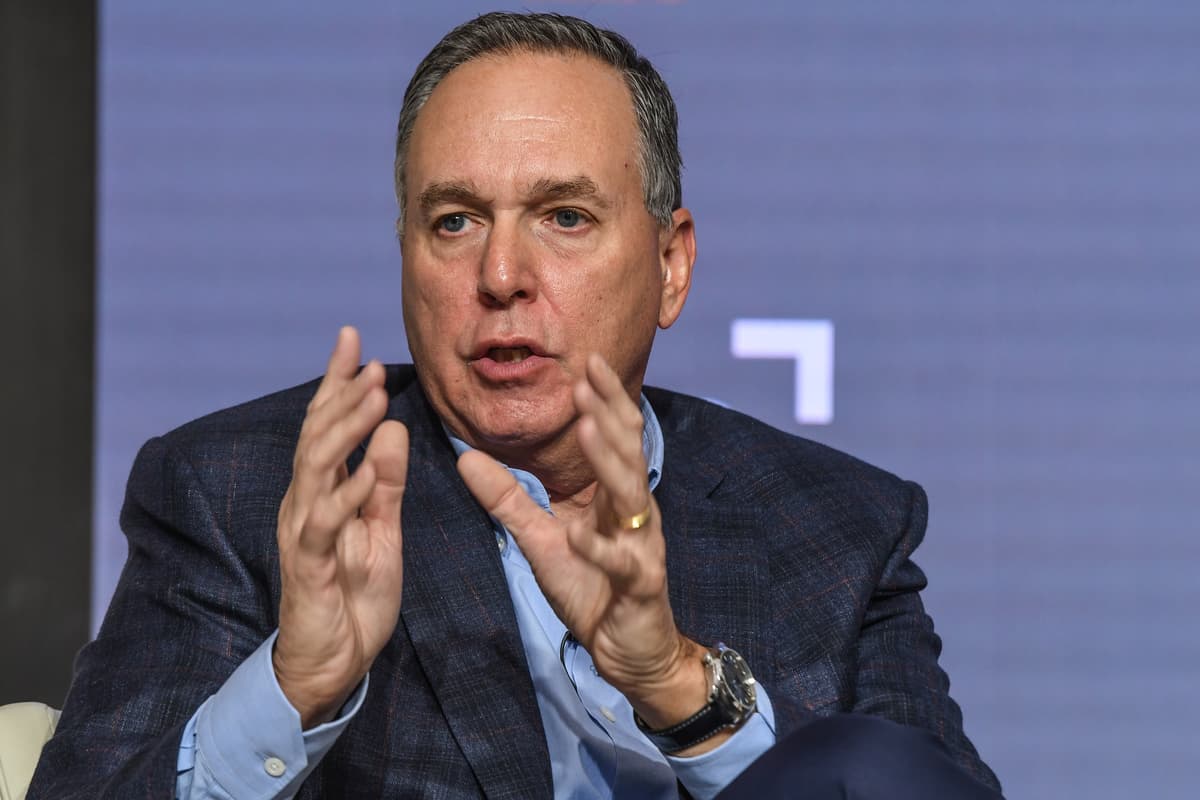
Amex CEO: 10% Rate Cap Would Create 'Downward Spiral'
•January 30, 2026
0
Companies Mentioned


Why It Matters
A 10% rate cap could reshape pricing across the credit‑card industry, but Amex’s premium focus may limit its exposure, influencing competitive dynamics and consumer credit access.
Key Takeaways
- •Amex revenue $18.98B, beats consensus
- •EPS $3.53 missed estimate by $0.01
- •CEO warns 10% cap triggers credit spiral
- •Premium-card fees rise to $895 annual
- •68% of accounts paid in full monthly
Pulse Analysis
President Trump’s push for a one‑year 10% credit‑card interest‑rate ceiling, embodied in the stalled Credit Card Competition Act, has ignited a chorus of opposition from industry leaders. Visa, Mastercard and now American Express argue that such a cap would constrain credit availability, especially for small‑business borrowers, and could trigger a “downward spiral” in card issuance. While the administration lacks unilateral authority to set rates, the political pressure underscores growing scrutiny of high‑interest consumer finance products.
American Express’s latest earnings illustrate how its premium‑card strategy may act as a buffer against sweeping rate caps. The company posted $18.98 billion in revenue, surpassing consensus, and highlighted a robust customer profile—68% of accounts are paid in full each month and over half of receivables come from consumers with FICO scores above 760. The ongoing refresh of its flagship cards, which lifts the average annual fee to $895, aims to deepen loyalty and offset rising rewards costs, positioning Amex in a higher‑margin segment less sensitive to interest‑rate constraints.
The broader market implications hinge on regulatory outcomes and competitive responses. If a 10% cap materializes, issuers may pivot toward fee‑based revenue streams, accelerate premium‑card rollouts, or tighten credit criteria. For consumers, the trade‑off could be fewer low‑interest options but potentially richer rewards and services from premium products. Stakeholders should monitor congressional action on the CCCA and watch how major issuers adjust pricing models to preserve profitability while navigating heightened political scrutiny.
Amex CEO: 10% rate cap would create 'downward spiral'
0
Comments
Want to join the conversation?
Loading comments...