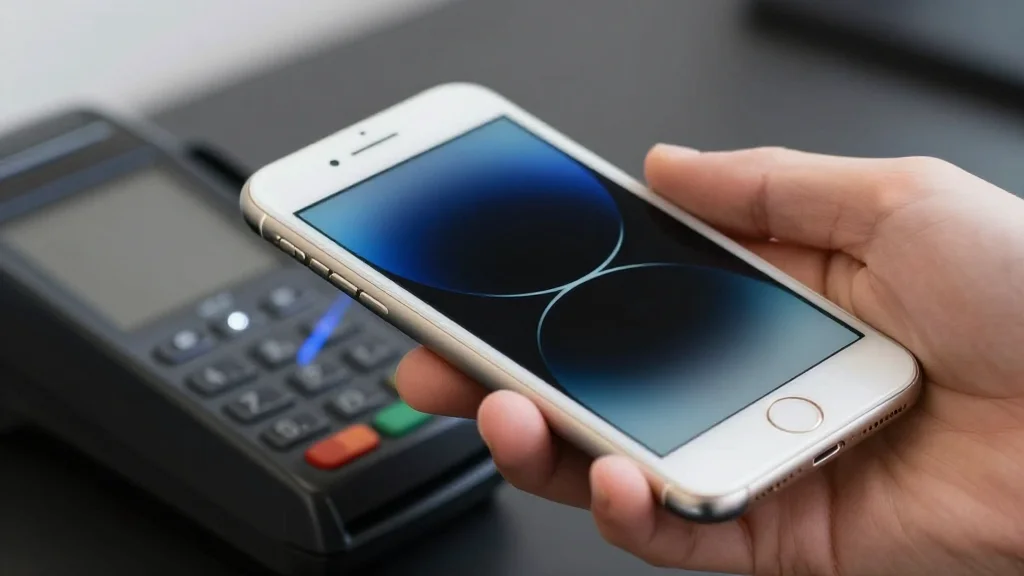
Apple Flags PayPal Checkout Share Erosion as Apple Pay Nears Parity

Companies Mentioned
Why It Matters
The shift away from PayPal’s branded checkout reflects a broader reallocation of consumer spending power toward integrated mobile wallets. As Apple Pay and Google Pay capture larger slices of the market, the fee structures and data insights that have traditionally favored PayPal could be reshaped, affecting merchant cost models and the competitive dynamics of the fintech sector. For investors, the trend signals a potential re‑rating of PayPal’s valuation and a need to monitor how quickly the company can adapt its product suite. Furthermore, the erosion of PayPal’s checkout share may accelerate consolidation among payment providers, prompting mergers or strategic alliances aimed at delivering a unified, frictionless checkout experience. Regulators could also take interest as the market concentration shifts, especially if a few mobile wallet operators begin to dominate transaction volumes.
Key Takeaways
- •PayPal’s branded checkout growth slowed to 1% in Q4 2025.
- •Apple Pay projected to reach 90.5 million U.S. users in 2026, nearly matching PayPal’s 92.1 million.
- •PayPal reported $8.68 billion revenue and $1.23 EPS, below estimates.
- •Mizuho analyst Dan Dolev highlighted the high yield of PayPal’s checkout button.
- •CEO Alex Chriss was removed in February 2026 amid checkout performance concerns.
Pulse Analysis
Apple’s spotlight on PayPal’s declining checkout share is more than a data point; it signals a structural shift in how digital commerce is funded. PayPal built its empire on a simple, recognizable button that routed users through a secure, fee‑rich flow. Mobile wallets, however, have turned that model on its head by embedding payment authentication directly into the device OS, eliminating the need for a separate redirect. This frictionless experience aligns with the expectations of Gen Z and younger millennials, who now constitute a growing share of online spend.
Historically, PayPal’s advantage lay in its network effects—merchants adopted the button because consumers expected it. As Apple Pay and Google Pay achieve comparable network density, the competitive advantage erodes. PayPal’s challenge will be to innovate beyond the button, perhaps by deepening its integration with merchant platforms or leveraging its broader suite of financial services, such as business banking, to create new revenue streams.
The leadership change underscores the urgency. A new CEO will need to balance short‑term revenue pressures with longer‑term product transformation. If PayPal can accelerate its mobile‑first roadmap and offer a checkout experience that rivals native wallets, it may stabilize its user base. Failure to do so could accelerate a market realignment where a handful of tech giants dominate the payment layer, reshaping fee structures and data ownership across e‑commerce.
Apple Flags PayPal Checkout Share Erosion as Apple Pay Nears Parity
Comments
Want to join the conversation?
Loading comments...