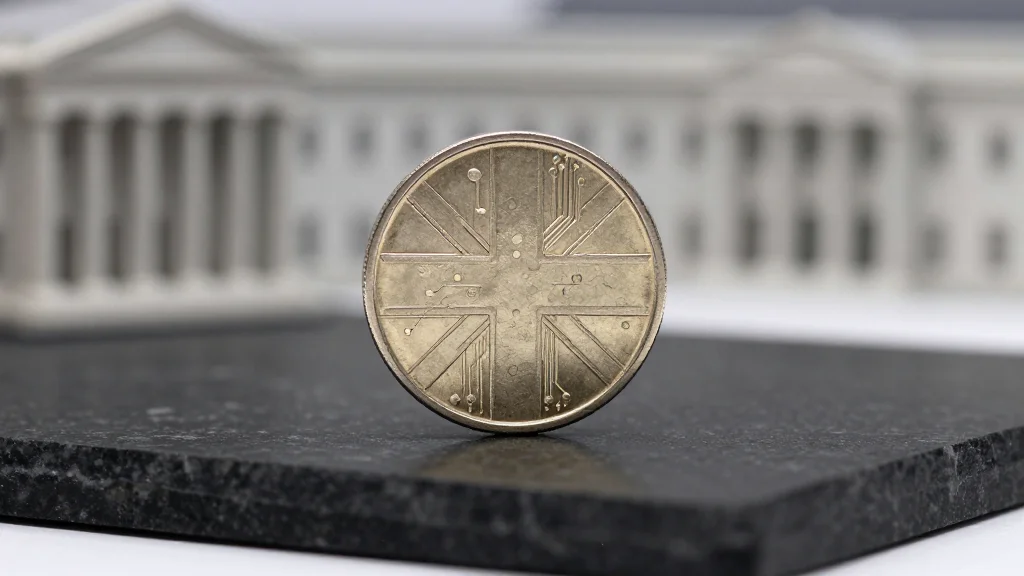
Bank of England Posts Update on Stablecoins in the UK, Coinbase Likes What They Read
Companies Mentioned
Why It Matters
The rules aim to legitimize stablecoins as a competitive payment alternative in the UK, potentially expanding digital‑currency usage and attracting crypto firms to the market. Clear regulation also reduces uncertainty for issuers and could spur the creation of the first pound‑based stablecoins.
Key Takeaways
- •BoE sets £40bn (~$50bn) issuance cap for systemic stablecoins
- •Draft rules require transparent reserves and eliminate wallet limits
- •UK aims to allow stablecoins alongside bank money in wholesale markets
- •Public feedback open until September 22, 2026, shaping final regulation
- •Coinbase praises clearer rules, expects global stablecoin regulatory clarity
Pulse Analysis
The Bank of England’s latest stablecoin draft marks a decisive step toward integrating digital assets into the mainstream financial system. By setting a £40 billion (roughly $50 billion) ceiling on systemic stablecoin issuance and mandating transparent reserve holdings, the BoE seeks to mitigate the liquidity and solvency risks that have haunted the sector. The framework also removes previous wallet‑limit constraints, a move that aligns the UK with more permissive jurisdictions and signals confidence in the technology’s maturity. This regulatory clarity arrives as the United States grapples with privacy concerns and a tentative stance on central bank digital currencies, positioning the UK as a potential haven for crypto innovators.
A notable feature of the proposal is the bifurcation between systemic and non‑systemic stablecoins, each subject to oversight by both the BoE and the Financial Conduct Authority. Systemic tokens, intended for high‑volume payments, will face stricter reserve and issuance rules, while non‑systemic variants—often used for niche applications—receive a lighter touch. By allowing stablecoins to coexist with traditional bank money in wholesale markets, the BoE hopes to foster competition that could lower transaction costs and improve settlement speed for large‑scale financial participants. The temporary guardrail on issuance is designed to prevent market concentration and ensure that any stablecoin ecosystem develops on a sound footing.
Industry reaction has been largely positive, with Coinbase’s chief legal officer applauding the removal of wallet caps and the acknowledgment of U.S. supervisory standards for foreign stablecoins. This endorsement underscores a broader expectation that the UK’s approach could become a template for global regulation, encouraging the launch of pound‑denominated stablecoins that currently lag behind their dollar‑based counterparts like USDT and USDC. As the public comment period runs until late 2026, stakeholders will have ample opportunity to shape the final rules, potentially accelerating the UK’s emergence as a leading hub for regulated digital currency innovation.
Bank of England Posts Update on Stablecoins in the UK, Coinbase Likes What they Read
Comments
Want to join the conversation?
Loading comments...