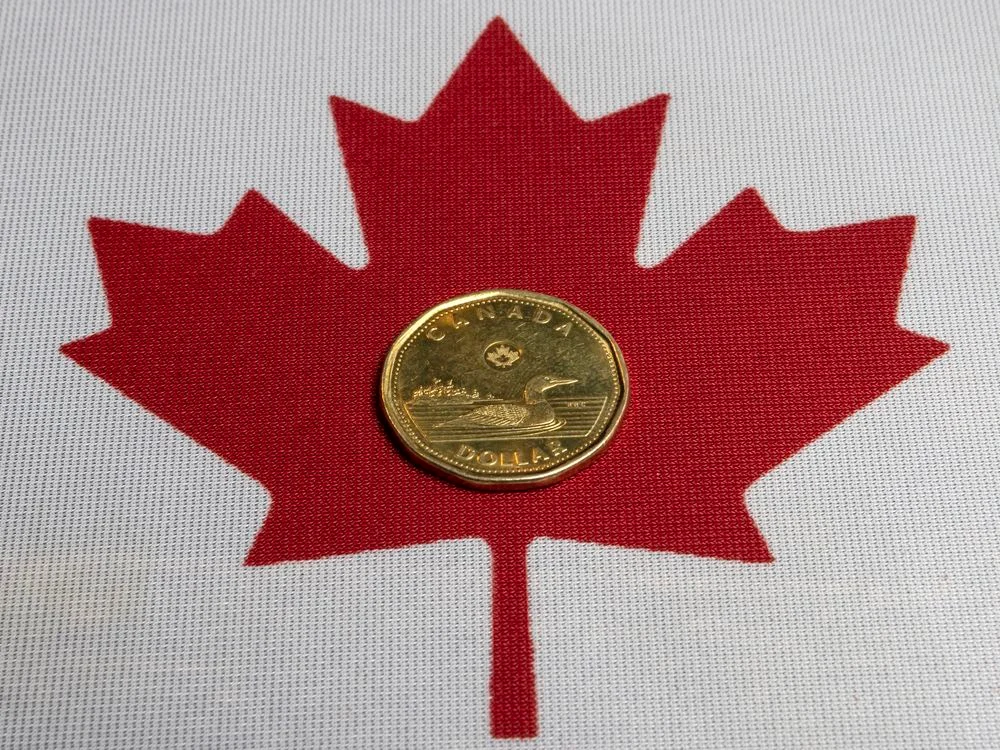
Canada Doesn’t Need a Digital Loonie to Maintain Sovereignty From the U.S. — It Needs Digital Competition
Why It Matters
A private‑sector stablecoin can preserve Canada’s monetary independence while offering cheaper, programmable payments, whereas a delayed CBDC may be obsolete.
Key Takeaways
- •Stablecoin Act creates registration, at‑par redemption, Bank of Canada oversight.
- •Tetra’s CADD is Canada’s first regulated stablecoin, showing private‑sector readiness.
- •U.S. dollar stablecoins exceed $300 billion, outpacing any Canadian CBDC timeline.
- •Canadians pay roughly $185 USD more in banking fees than peers.
- •Yield‑bearing Canadian stablecoin could boost loonie demand in FX markets.
Pulse Analysis
Central banks worldwide are racing to launch digital versions of their fiat currencies, but Canada’s experience suggests a different path may be more effective. While a state‑run central bank digital currency (CBDC) could eventually reduce settlement friction, the development timeline—often extending beyond 2027—means the market will already be dominated by private‑sector stablecoins. Canada’s Stablecoin Act, embedded in Bill C‑15, already establishes a registration framework, at‑par redemption guarantees, and oversight by the Bank of Canada. This legislative groundwork gives Canadian fintechs a clear runway to innovate without waiting for a government‑issued digital loonie.
The private‑sector momentum is evident in Tetra Digital Group’s launch of CADD, the first regulated Canadian stablecoin, which demonstrates that Canadian banks and fintechs can issue digital cash backed 1:1 by the Canadian dollar. Across the border, U.S. dollar‑denominated stablecoins such as USDC have amassed more than $300 billion in circulation, embedding themselves in payments, trading and decentralized finance platforms. If Canada lags, the loonie risks being sidelined in cross‑border transactions, especially as U.S. stablecoins become the de‑facto medium for digital commerce. A competitive Canadian stablecoin could reclaim FX demand and reinforce monetary sovereignty.
Policymakers now face a choice between tightening control with a CBDC or fostering competition through clear, two‑track regulation. Allowing yield‑bearing stablecoins, for example, could differentiate the Canadian offering and attract global users seeking programmable money tied to a stable currency. At the same time, safeguards—such as consumer protection, AML compliance and coordination with securities regulators—must evolve to prevent systemic risk. By executing the Stablecoin Act’s provisions and encouraging private innovation, Canada can lower the average $185 USD per‑person banking‑fee gap, expand digital payment options, and future‑proof its financial system without ceding ground to U.S. dollar‑stablecoins.
Canada doesn’t need a digital loonie to maintain sovereignty from the U.S. — it needs digital competition
Comments
Want to join the conversation?
Loading comments...