Chicago Bank Becomes First Failure of 2026
•January 31, 2026
0
Companies Mentioned

Metropolitan Capital Bank

Federal Deposit Insurance Corp.

First Independence Bank

Federal Housing Finance Agency

Illinois Department of Financial and Professional Regulation

Pulaski Savings Bank

Santa Anna National Bank of Texas

Silicon Valley Bank

Georgetown University

American Banker

Arizent
Why It Matters
The quick closure limits systemic risk and demonstrates the FDIC’s commitment to efficient bank resolutions, reassuring depositors and investors. It also signals that modest‑sized failures remain a focus despite a relatively quiet year for larger bank collapses.
Key Takeaways
- •Metropolitan Bank failed with $261M assets, $257M liabilities.
- •FDIC sale to First Independence covers $251M assets, $212M deposits.
- •Failure costs Deposit Insurance Fund about $19.7M.
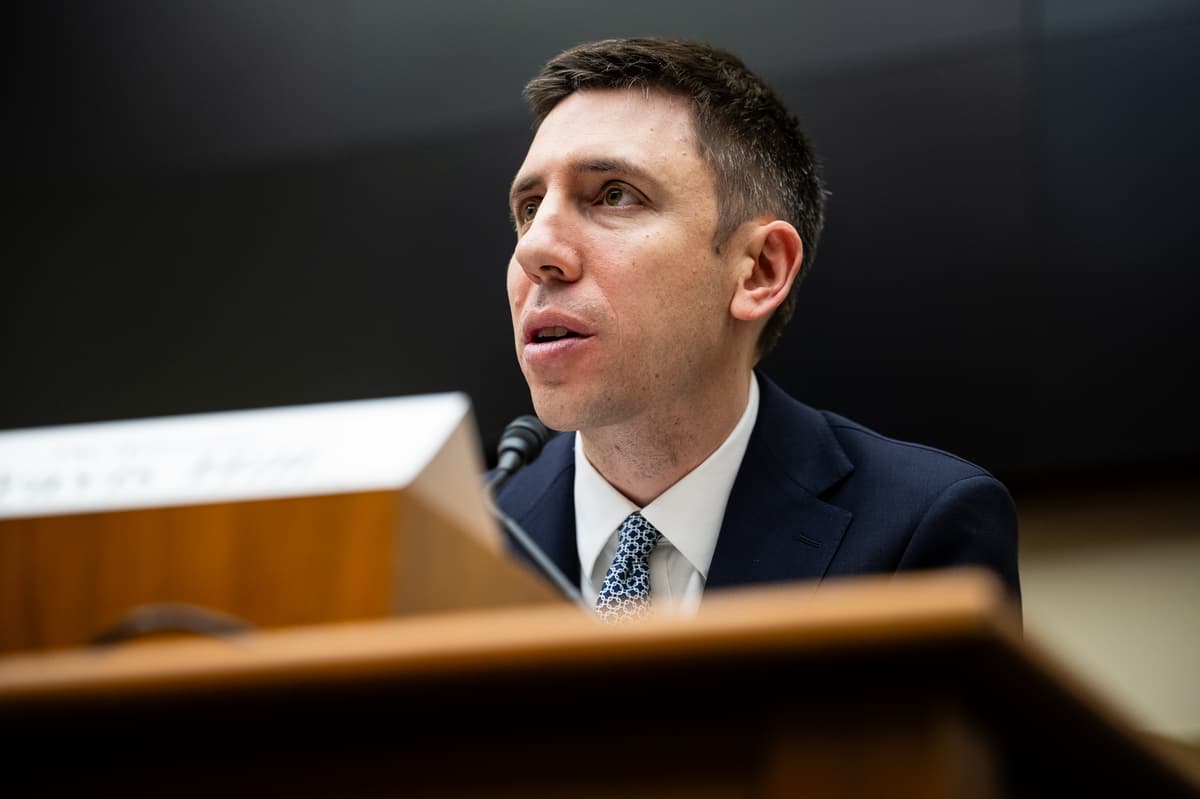
- •Quick resolution reflects FDIC Chair Travis Hill’s strategy.
- •Shows modest bank failures persist post‑2023 crisis.
Pulse Analysis
The Federal Deposit Insurance Corp.'s handling of Metropolitan Capital Bank & Trust underscores the agency's evolving playbook for dealing with smaller, regional failures. While the 2023 Silicon Valley Bank collapse prompted calls for faster asset disposition, the Metropolitan case illustrates that the FDIC has institutionalized those lessons. By moving within hours to a purchase‑and‑assumption deal, regulators avoided a protracted bridge‑bank phase, preserving the bank's customer relationships and limiting market disruption.
Metropolitan entered the spotlight with a thin capital cushion—a 1.62% net equity ratio—and a sizable commercial‑and‑industrial loan portfolio. Its liabilities included $43 million of advances from the Federal Home Loan Bank system, highlighting exposure to wholesale funding pressures. First Independence Bank's acquisition of $251 million of assets, including the full deposit base, transfers operational continuity to a healthier institution, while the FDIC retains residual assets for later liquidation. The projected $19.7 million hit to the Deposit Insurance Fund, though modest relative to larger failures, reflects the cost of protecting insured depositors and maintaining confidence in the banking system.
Strategically, the transaction validates FDID Chair Travis Hill’s priority of rapid, decisive action. Hill has argued that delays erode asset value and damage the agency’s reputation, a concern amplified after the drawn‑out Silicon Valley Bank resolution. By demonstrating that even mid‑size banks can be resolved swiftly, the FDIC reinforces market stability and signals to potential acquirers that the agency is a reliable partner. As the banking sector continues to navigate post‑pandemic pressures and evolving regulatory expectations, such efficient closures may become the norm, helping to mitigate systemic risk while preserving depositor trust.
Chicago bank becomes first failure of 2026
0
Comments
Want to join the conversation?
Loading comments...