Exclusive: Warren Targets Narrowed Bank Risk Oversight Proposal
•February 6, 2026
0
Companies Mentioned

Federal Deposit Insurance Corp.

Office of the Comptroller of the Currency

Bloomberg

American Banker

X (formerly Twitter)
Why It Matters
Limiting the unsafe‑banking definition could weaken early‑risk detection, raising systemic stability concerns for the broader financial system.
Key Takeaways
- •Democrats fear reduced early‑risk detection.
- •Rule limits enforcement to likely material harm.
- •Tail‑risk events could bypass supervision entirely.
- •Materiality threshold lacks clear quantitative guidance.
- •Midterm politics may shape future banking oversight.
Pulse Analysis
The October proposal from the FDIC and OCC seeks to tighten the criteria for labeling a bank’s activities as unsafe or unsound, confining enforcement to practices that are "likely" to cause material damage to the institution or the Deposit Insurance Fund. Proponents argue that a narrower definition reduces regulatory overreach and provides clearer guidance for banks, but critics contend it removes a vital tool for pre‑emptive supervision. By shifting the focus to probable material harm, the rule could delay intervention until risks have already materialized, undermining the proactive stance traditionally employed by bank examiners.
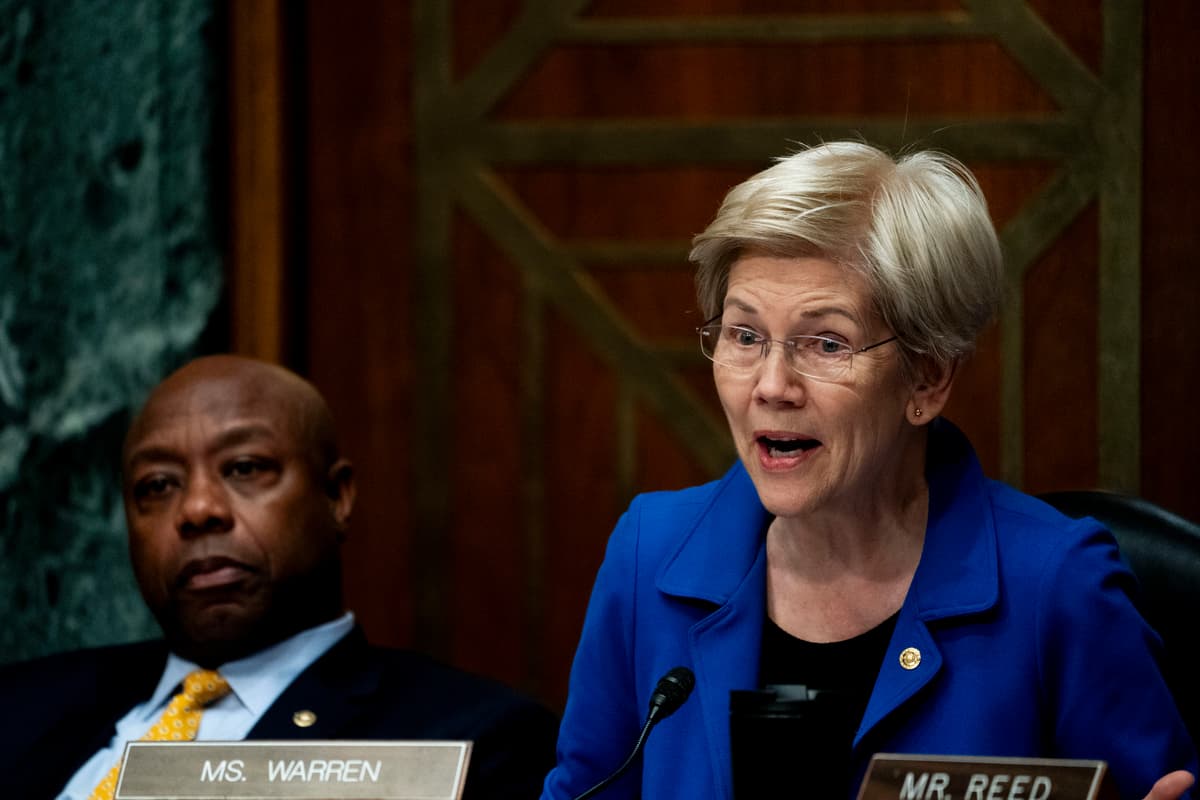
Senators Warren, Reed, Van Hollen, Blumenthal, and Whitehouse argue that the new standard ignores low‑probability, high‑impact tail‑risk scenarios that historically have precipitated financial crises. Without the ability to act on emerging threats—such as risky loan portfolios or complex derivatives—regulators may be forced to watch catastrophic events unfold before taking corrective measures. The lack of a concrete materiality metric further complicates enforcement, leaving examiners to make subjective judgments that could vary widely across agencies and banks, potentially creating regulatory arbitrage.
The political backdrop adds another layer of complexity. As midterm elections approach, Democrats are emphasizing financial stability to appeal to voters concerned about economic security. Although the FDIC and OCC are unlikely to abandon the proposal outright, the bipartisan letter signals that future legislative action could reshape the oversight framework. Market participants should monitor any legislative amendments or additional guidance that may emerge, as these could affect banks’ risk‑management strategies, capital planning, and ultimately, investor confidence in the banking sector.
Exclusive: Warren targets narrowed bank risk oversight proposal
0
Comments
Want to join the conversation?
Loading comments...