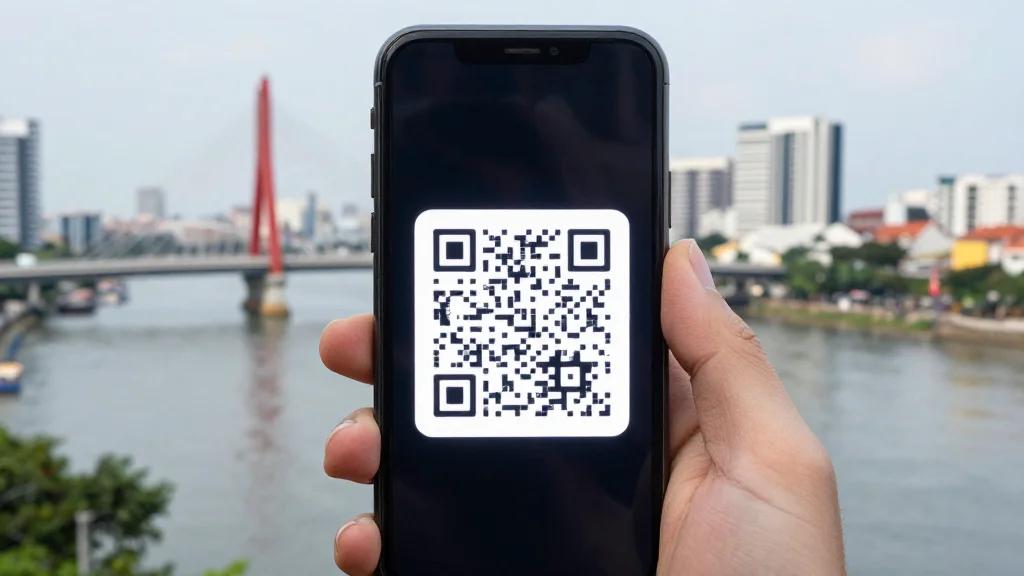
GLN International Launches Nationwide QR Payment Service in Vietnam via NAPAS Partnership

Companies Mentioned
Why It Matters
The GLN‑NAPAS partnership bridges two of Asia's fastest‑growing fintech ecosystems, removing currency conversion hurdles for millions of cross‑border travelers. By leveraging Vietnam’s national QR infrastructure, the service accelerates the shift toward cashless commerce in a market where QR payments already dominate small‑ticket transactions. For Korean fintech firms, the integration opens a direct channel to Vietnamese merchants, expanding user bases and transaction volumes without the need for local licensing. For Vietnam, the collaboration validates the VietQR network’s scalability and encourages further openness to foreign payment innovators. As tourism rebounds post‑pandemic, seamless QR payments could increase visitor spending, support merchant digitization, and reinforce Vietnam’s ambition to become a regional fintech hub.
Key Takeaways
- •GLN International launches QR payment service in Vietnam via NAPAS partnership.
- •Service connects Korean fintech apps (Toss, PurpleGLN, Hana OneQ, etc.) to VietQR network.
- •Launch ceremony on April 23 attended by SBV, NAPAS, BIDV and Hana Bank.
- •Hana Bank acts as the sole Korean settlement bank approved by Vietnam's central bank.
- •GLN operates in 14 Asian countries, covering over 200 million QR merchants globally.
Pulse Analysis
GLN’s entry into Vietnam marks a strategic pivot from pure cross‑border remittance to a broader payments‑as‑a‑service model. By embedding Korean fintech apps into VietQR, GLN sidesteps the lengthy process of acquiring local banking licenses, instead leveraging the existing national QR framework. This approach mirrors the ‘network effect’ playbook seen in China’s Alipay and WeChat Pay, where platform owners expand reach by integrating third‑party services into a unified QR ecosystem.
The move also intensifies competition among regional payment aggregators. Local players such as MoMo and ZaloPay have dominated domestic QR transactions, but their platforms are largely closed to foreign apps. GLN’s open‑access model could pressure incumbents to adopt more interoperable standards, potentially spurring a wave of API‑driven collaborations across ASEAN. Moreover, the partnership aligns with Vietnam’s push for a cash‑light economy, as the government encourages QR adoption to improve financial inclusion and traceability.
Looking ahead, the success of GLN’s rollout will hinge on merchant onboarding speed, transaction cost structures, and the ability to deliver value‑added services like loyalty rewards or instant currency conversion. If GLN can demonstrate robust transaction volumes and a seamless user experience, it may set a template for similar cross‑border QR integrations in other emerging markets, reinforcing the notion that QR codes are evolving from a low‑tech payment method into a sophisticated, interoperable financial infrastructure.
GLN International Launches Nationwide QR Payment Service in Vietnam via NAPAS Partnership
Comments
Want to join the conversation?
Loading comments...