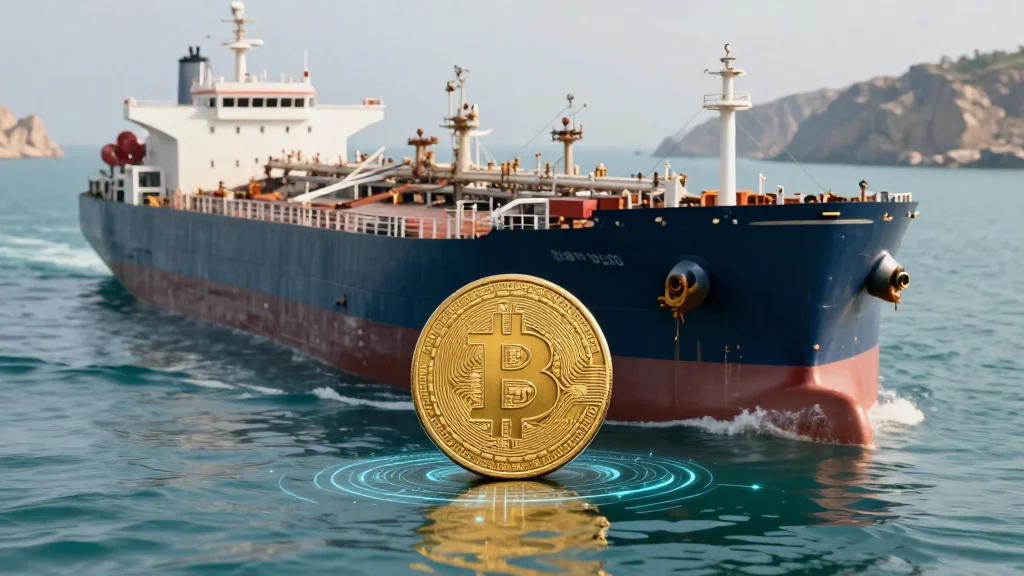
Iran Proposes Bitcoin Toll for Strait of Hormuz Oil Transits, Targeting $1 per Barrel

Why It Matters
The initiative places cryptocurrency at the center of a high‑stakes geopolitical lever, testing whether digital assets can function as a viable alternative to the dollar‑based banking system for sovereign revenue. A successful rollout would demonstrate that crypto can be integrated into critical infrastructure, potentially encouraging other nations under sanctions to adopt similar models. For the fintech sector, the proposal could accelerate the development of enterprise‑grade crypto payment solutions, compliance frameworks, and real‑time settlement platforms. Conversely, it may also trigger stricter regulatory scrutiny as governments seek to prevent the use of decentralized currencies for sanction evasion, shaping the next wave of policy around digital assets.
Key Takeaways
- •Iran will charge oil tankers about $1 per barrel in Bitcoin for Hormuz transit.
- •The Strait of Hormuz moves roughly 20% of global oil, making the fee strategically significant.
- •Payments would be made directly to a state‑controlled digital wallet, bypassing banks.
- •Volatility and lack of crypto infrastructure among shippers pose operational challenges.
- •The move could spur fintech innovation in institutional crypto payments while prompting regulatory backlash.
Pulse Analysis
Iran’s Bitcoin toll is a bold experiment in using decentralized finance to circumvent entrenched sanctions. Historically, Tehran has relied on informal networks—such as hawala and front companies—to move money. By turning to Bitcoin, the regime is betting on the technology’s borderless nature to create a more transparent, albeit volatile, revenue stream. The key advantage is speed: blockchain settlements can be confirmed in minutes, a stark contrast to the days‑long delays of correspondent banking. However, speed comes with price risk; a $1‑per‑barrel fee could swing dramatically if Bitcoin’s price spikes, forcing carriers to hedge or absorb losses.
From a market perspective, the proposal could act as a catalyst for a new class of crypto‑focused fintech providers. Companies that offer custodial services, instant conversion to stablecoins, and compliance‑as‑a‑service may find a lucrative niche serving shipping firms forced to adopt the new system. At the same time, insurers and lenders will need to reassess risk models that now incorporate crypto exposure, potentially raising premiums for vessels that cannot demonstrate robust crypto risk management.
Geopolitically, the move signals a shift in how sanctioned states view digital assets—not merely as speculative investments but as functional tools of statecraft. If Iran proceeds, it may embolden other countries facing similar financial isolation to explore crypto‑based solutions, prompting a race between innovation and regulation. The international community’s response—whether through secondary sanctions, new AML guidelines, or diplomatic pressure—will determine whether this experiment remains an isolated case or becomes a template for future state‑level crypto adoption.
Iran Proposes Bitcoin Toll for Strait of Hormuz Oil Transits, Targeting $1 per Barrel
Comments
Want to join the conversation?
Loading comments...