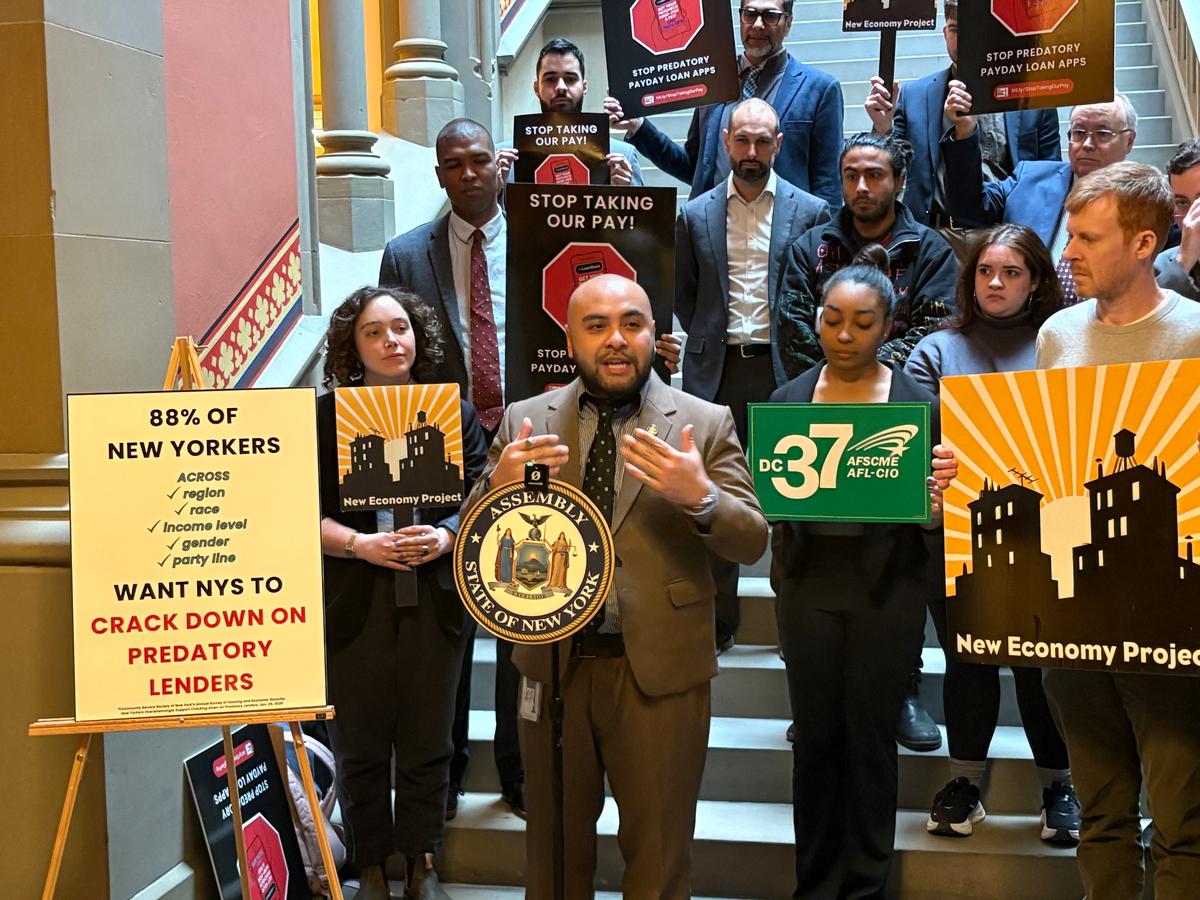
New York State Introduces Bill Deeming EWA a Loan
•January 27, 2026
0
Companies Mentioned


Why It Matters
Classifying EWA as credit subjects the industry to stricter state regulation, potentially reshaping the payday‑alternative market and influencing nationwide policy debates.
Key Takeaways
- •EWA classified as loan under New York's 16% cap
- •Fees, tips, subscriptions treated as finance charges
- •Bill aligns NY with Connecticut, Maryland on EWA regulation
- •Potential clash with pending federal preemption law
- •Credit unions positioned as alternative small‑loan providers
Pulse Analysis
Earned‑wage‑access services have exploded in popularity, offering workers instant cash advances in exchange for a modest fee. While these platforms fill a gap left by traditional lenders, critics point to opaque pricing structures that can translate into effective APRs well above 300%. The rapid growth of EWA has prompted state regulators to examine whether these products function more like short‑term loans than simple fee‑based services, setting the stage for legislative action.
The Stop Taking Our Pay Act seeks to codify that view by imposing New York’s 16% interest‑rate ceiling on any wage‑advance transaction and by treating ancillary charges—tips, subscription fees, and the like—as finance charges. If enacted, the law would make New York the third state to officially label EWA as credit, joining Connecticut and Maryland. For fintech firms, the bill threatens a core revenue stream and could force a redesign of pricing models. Consumer‑advocacy groups and community credit unions, however, hail the move as a necessary check on predatory practices, arguing that regulated small‑loan products offer a safer alternative.
The broader significance lies in the emerging clash between state‑level consumer protections and a looming federal framework that may preempt such classifications. A federal preemption law could nullify New York’s effort, creating a patchwork of compliance requirements for providers operating nationally. Conversely, if states like New York succeed, they could set a de‑facto standard that pressures federal regulators to adopt stricter definitions. The outcome will shape the competitive landscape for EWA providers, influence credit‑union lending strategies, and determine how millions of workers access short‑term capital in the coming years.
New York State introduces bill deeming EWA a loan
0
Comments
Want to join the conversation?
Loading comments...