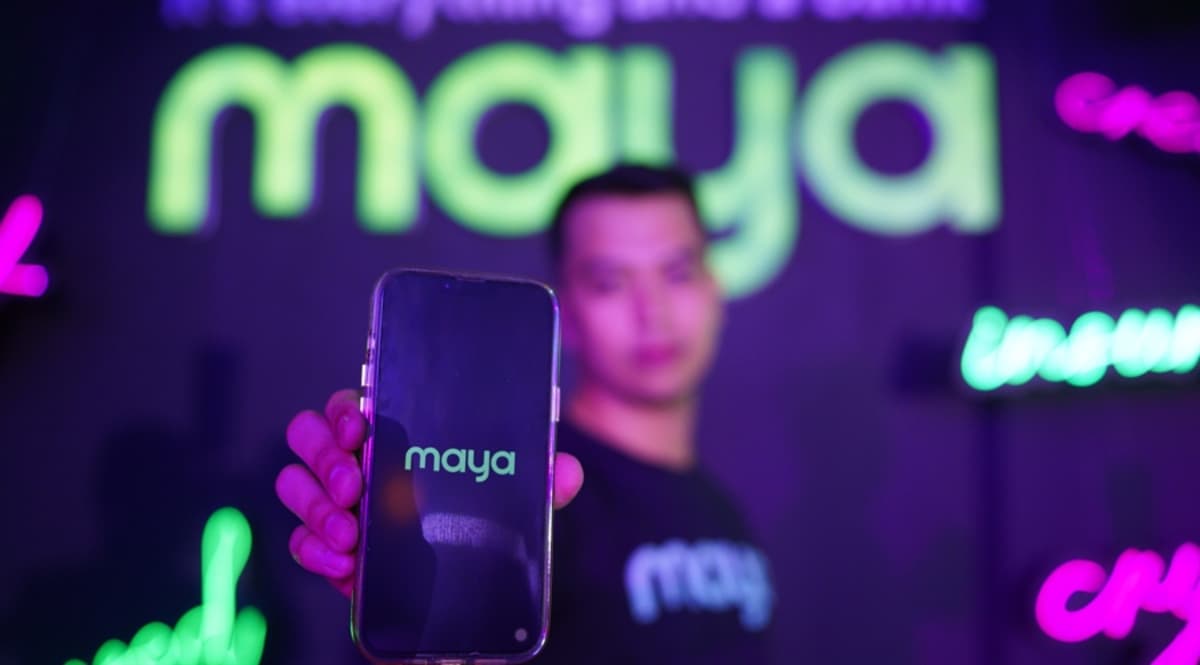
Philippine “Revolut” Maya Eyes Up to $1 Billion US Listing
•February 16, 2026
0
Why It Matters
Maya’s potential listing would signal confidence in Southeast Asian fintechs despite current IPO headwinds, and could provide capital to expand its full‑service banking suite across the Philippines.
Key Takeaways
- •Targeting up to $1 billion valuation in U.S. IPO.
- •Serves 5.4 million users, $1.2 bn loans in 2024.
- •Backed by PLDT, KKR, Tencent, IFC.
- •AI‑driven credit scoring fuels rapid loan growth.
- •IPO faces market volatility and fintech skepticism.
Pulse Analysis
Maya’s evolution from a QR‑code wallet to a regulated digital bank illustrates the rapid maturation of Philippine fintech. By bundling payments, savings, loans, and crypto investments under one app, it addresses the country’s low banking penetration and taps a youthful, mobile‑first demographic. The AI‑powered credit scoring engine, which evaluates transaction data instead of traditional collateral, has enabled Maya to disburse over 68 billion pesos in loans this year, positioning it as a key driver of financial inclusion.
The timing of Maya’s U.S. listing is fraught with uncertainty. Recent setbacks for regional tech IPOs—Clear Street’s target cut, Liftoff Mobile’s delay, and Agibank’s halved deal—highlight investor wariness over valuation volatility and exposure to crypto‑linked businesses. Nonetheless, Goldman Sachs projects a doubling of IPO activity in 2024, suggesting that a well‑positioned fintech with strong growth metrics could still capture capital. Maya’s sizable user base and diversified revenue streams may help it navigate the heightened scrutiny.
If Maya secures a billion‑dollar valuation, the proceeds could accelerate product development, deepen AI credit capabilities, and fund expansion beyond Metro Manila. The move also sets a precedent for other Philippine firms, such as GCash, which have postponed local listings in favor of overseas markets. A successful debut would reinforce the narrative that Southeast Asian fintechs can thrive on global capital despite short‑term market turbulence, potentially unlocking further foreign investment into the region’s digital banking ecosystem.
Philippine “Revolut” Maya Eyes Up to $1 Billion US Listing
0
Comments
Want to join the conversation?
Loading comments...