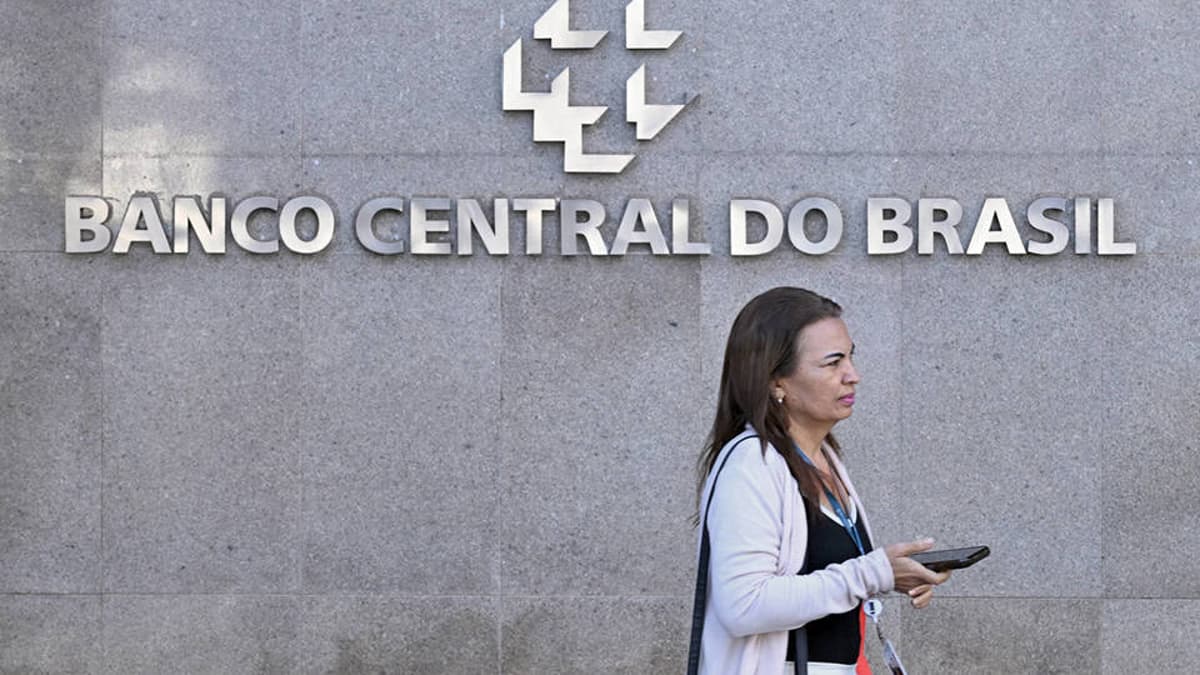
The Geopolitical Battle Over Monetary Infrastructure
Why It Matters
Who controls the underlying payment infrastructure determines a nation’s leverage over global finance, trade flows, and regulatory standards. U.S. pushback could constrain emerging markets’ ability to build independent monetary tools.
Key Takeaways
- •US sees Brazil's Pix as threat to monetary sovereignty
- •Payment rails now central to global finance, beyond reserve currencies
- •Emerging markets racing to launch instant payments and CBDCs
- •Washington's scrutiny signals geopolitical contest over digital finance infrastructure
- •Control of rails could reshape cross‑border settlement and regulatory influence
Pulse Analysis
Instant‑payment platforms have exploded across the globe, and Brazil’s Pix stands out as a benchmark for speed, accessibility, and scale. Launched in 2020, Pix processes billions of transactions annually, bypassing traditional card networks and offering 24/7 settlement. Its success has inspired a wave of similar systems in Mexico, India, and Kenya, underscoring a broader shift: consumers and businesses now expect real‑time money movement, and the underlying infrastructure is becoming a strategic asset for national economies.
Washington’s alarm over Pix reflects a deeper concern that payment rails are evolving into instruments of monetary sovereignty. Historically, the United States wielded influence through the dollar’s reserve‑currency status and control of global clearing houses. Today, the ability to design, operate, and regulate the digital pathways for transactions can grant comparable power, especially as central banks explore wholesale CBDCs for cross‑border settlement. By framing Pix as a geopolitical risk, the U.S. signals that any platform that reduces reliance on dollar‑linked networks could erode its leverage over international finance.
For emerging‑market economies, the race to build instant‑payment systems and CBDCs is both an opportunity and a diplomatic tightrope. Robust domestic rails can lower transaction costs, boost financial inclusion, and support independent monetary policy. However, they also risk triggering pushback from established powers wary of a fragmented global payments landscape. Policymakers will need to balance innovation with diplomatic engagement, possibly seeking multilateral standards that protect sovereignty while preserving interoperability with existing dollar‑centric networks. The outcome will shape the next decade of cross‑border finance, influencing everything from trade invoicing to capital‑flow monitoring.
The Geopolitical Battle Over Monetary Infrastructure
Comments
Want to join the conversation?
Loading comments...