The Real Cost of Sending Money Abroad: What You Need To Look Out For
Companies Mentioned
Why It Matters
Understanding the true cost of cross‑border payments prevents unnecessary expense for individuals and firms, and drives demand for more transparent fintech solutions.
Key Takeaways
- •Exchange‑rate spread adds 1‑6% hidden cost to transfers
- •High‑street banks typically charge 2%+ markup versus mid‑market
- •Migrant workers and SMEs lose hundreds of dollars annually
- •Fintech specialists provide 0.3‑0.7% margins with transparent fees
- •Compare provider rate to mid‑market to reveal true cost
Pulse Analysis
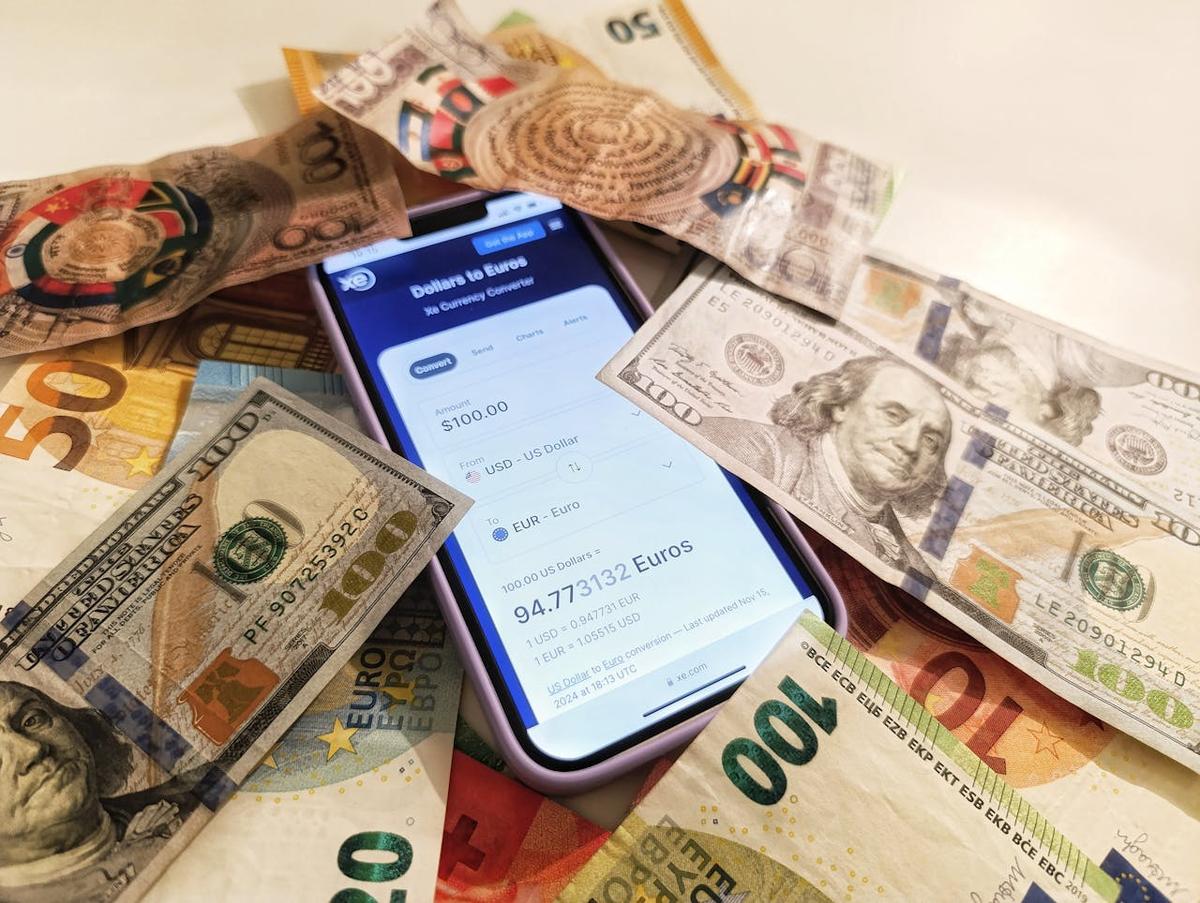
The allure of "no‑fee" international transfers masks a fundamental pricing mechanism: the exchange‑rate spread. Providers quote a rate that sits below the interbank mid‑market benchmark, pocketing the difference as profit. For a £10,000 (≈$12,500) remittance, a 4‑cent per pound shortfall translates into a $400 loss before any explicit fee appears. This hidden expense is especially pronounced when multiple correspondent banks intervene, each taking a slice of the transaction. By scrutinizing the quoted rate against publicly available benchmarks from Reuters or XE, senders can calculate the effective percentage cost and avoid overpaying.
The financial impact is not evenly distributed. Migrant workers sending £200 (≈$250) home each month can see up to $12 (≈£9) evaporate if a 6% hidden cost applies, amounting to $144 annually. Freelancers receiving foreign payments may lose £150 (≈$190) on a $5,000 invoice due solely to rate mark‑ups. Small businesses importing £50,000 (≈$62,500) of goods each quarter could forfeit £3,000 (≈$3,750) each year, eroding margins that could otherwise fund hiring or growth. These cumulative losses underscore why transparent pricing is a competitive differentiator in the payments industry.
Fintech challengers are reshaping the landscape with near‑mid‑market pricing and clear fee structures. Platforms such as SwissFx and other specialist providers typically charge 0.3%‑0.7% on the exchange, offering real‑time rate alerts, forward contracts, and multi‑currency wallets. Their digital‑first models reduce reliance on legacy correspondent banks, delivering faster settlement and audit‑ready trails for corporate treasuries. For occasional transfers, comparison sites help users lock in the best rate of the day, while recurring payments benefit from automated workflows and hedging tools that lock in future rates. Embracing these solutions enables both consumers and businesses to trim hidden costs and improve cash‑flow predictability.
The Real Cost of Sending Money Abroad: What You Need To Look Out For
Comments
Want to join the conversation?
Loading comments...