Here’s Why Your Easy Runs Slow Down During Marathon Training
Key Takeaways
- •Fatigue from long runs temporarily reduces easy‑run pace.
- •Recovery can take 48‑72 hours despite carbohydrate intake.
- •Monitor heart rate or RPE to gauge training load.
- •Persistent exhaustion signals possible overtraining or medical issues.
Pulse Analysis
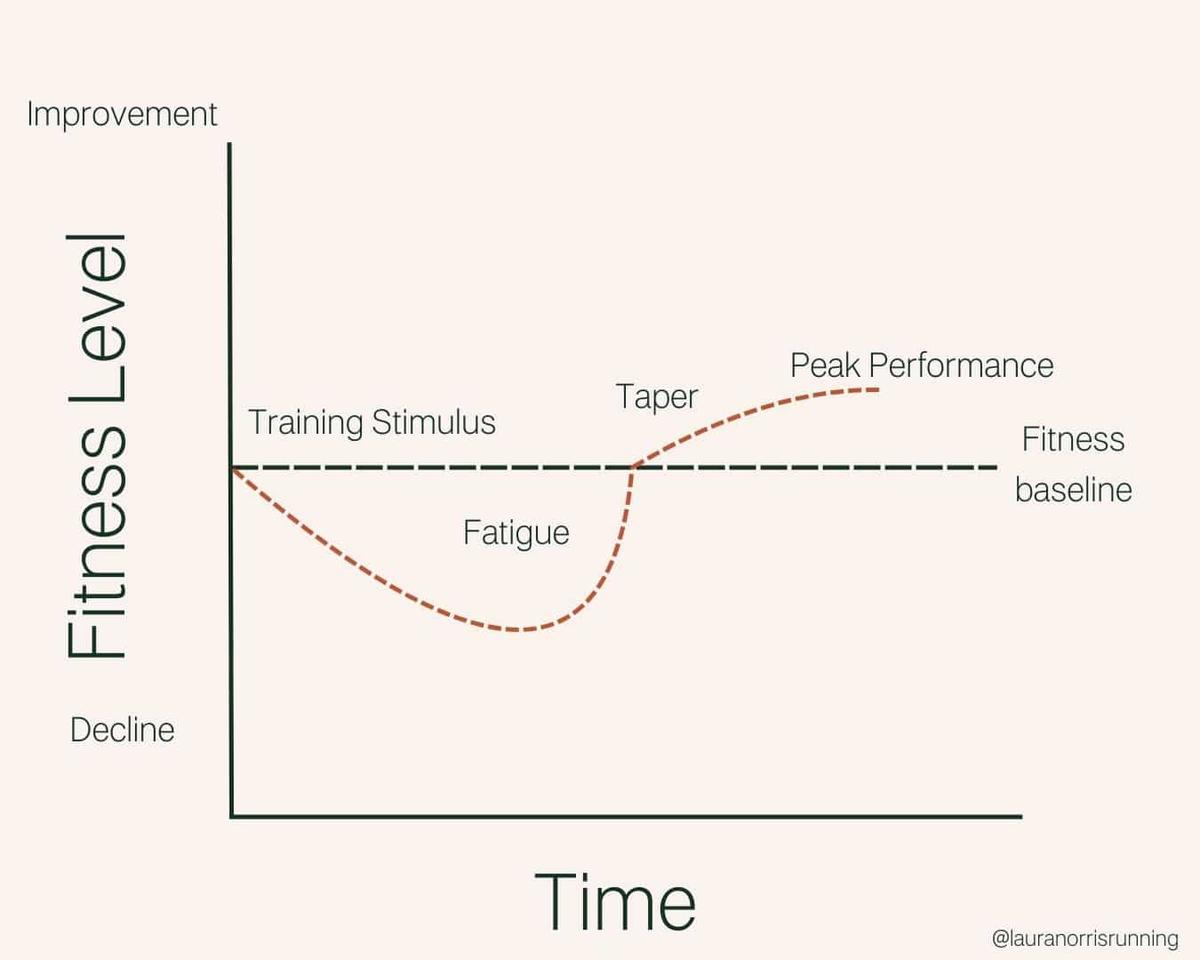
Marathon training inherently involves periods of heightened fatigue as weekly mileage and long‑run distances increase. The supercompensation model explains why performance dips temporarily: the body accumulates stress, depletes glycogen, and incurs micro‑damage that must be repaired before fitness can rebound. Runners who misinterpret this dip as a regression may inadvertently push harder on easy days, compounding fatigue and risking maladaptation. Recognizing the physiological lag between stimulus and recovery is the first step toward smarter training design.
Recovery science highlights that carbohydrate repletion alone does not fully restore muscle glycogen within 12 hours after a two‑hour endurance session, let alone address central nervous system fatigue. Most recreational athletes fall short of the 10 g/kg carbohydrate benchmark, extending the recovery window to 48‑72 hours. Consequently, easy runs scheduled within this window will naturally feel slower. Incorporating sleep hygiene, balanced nutrition, and active recovery strategies can shorten this lag, allowing athletes to maintain the intended low‑intensity stimulus without excessive performance loss.
Practical implications for coaches and runners include using heart‑rate zones or rate‑of‑perceived‑exertion (RPE) to gauge effort on easy days rather than relying on pace alone. A modest increase in RPE or a slight heart‑rate elevation signals that fatigue is still present and that the run should remain truly easy. Persistent symptoms—day‑time fatigue, mood swings, or inability to complete workouts—warrant a training load reduction or medical evaluation. Proper tapering in the final two to three weeks eliminates residual fatigue, enabling the supercompensation effect to deliver peak performance on race day.
Here’s Why Your Easy Runs Slow Down During Marathon Training
Comments
Want to join the conversation?