Knee Screening: Integrating Performance Training with Clinical Insight
•March 11, 2026
0
Key Takeaways
- •Knee injuries cost hundreds of thousands annually in US
- •Screening identifies sub‑clinical issues before symptoms appear
- •Protocol combines interview, structural, functional, neuromuscular assessments
- •Early detection guides load management and periodization
- •Integrated model improves athlete longevity and performance
Summary
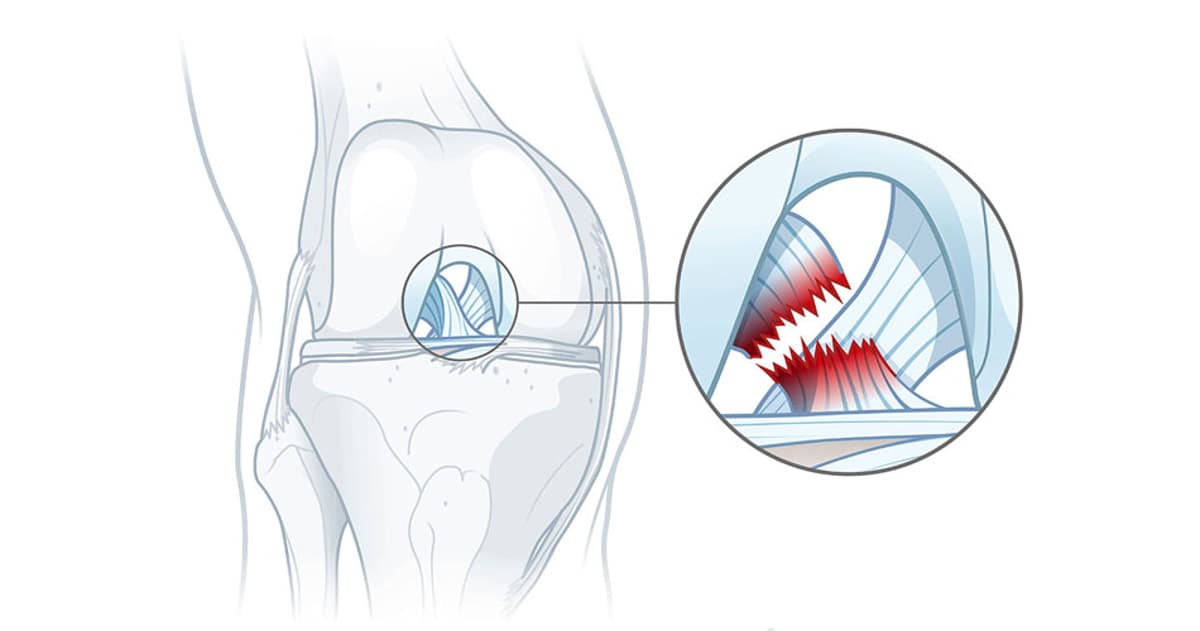
Knee injuries remain a leading cause of lost training time and performance across sports, with up to 250,000 ACL tears reported annually in the United States alone. Sports scientists and strength‑and‑conditioning coaches are urged to adopt a systematic knee‑screening protocol that blends subjective history, structural tests, functional movement analysis, and neuromuscular evaluation. The approach is not a diagnostic tool but a risk‑identification system that informs load management, periodization, and timely medical referrals. By catching sub‑clinical deficits early, coaches can extend athlete careers and differentiate themselves from generic trainers.
Pulse Analysis
Knee injuries continue to dominate sports medicine headlines, accounting for a substantial share of missed competition days and expensive surgeries. In the U.S., ACL reconstructions alone exceed 130,000 procedures each year, while meniscal tears affect up to 200,000 athletes. These numbers underscore a market where preventative strategies can yield significant financial and performance dividends, prompting coaches to look beyond traditional strength metrics toward comprehensive joint health monitoring.
A robust knee‑screening protocol begins with a structured interview and targeted questionnaires to map an athlete’s injury history, training load, and biomechanical risk factors. This subjective layer feeds into a physical examination that assesses passive ligament integrity, meniscal health, and tissue tenderness, followed by functional drills that evaluate symmetry, rate of force development, and movement quality under load. By quantifying each component, strength‑and‑conditioning professionals gain a data‑driven blueprint for tailoring periodization, adjusting volume, and deciding when to involve medical specialists.
The business impact of integrating clinical insight into performance programming is profound. Teams that embed systematic knee screening report fewer acute injuries, lower rehabilitation costs, and longer athlete tenure, translating into competitive advantage and brand credibility. Moreover, the data generated supports evidence‑based communication with stakeholders—from athletes and coaches to sponsors—enhancing trust and opening avenues for technology partnerships in wearable assessment tools. As the sports industry leans increasingly on analytics, comprehensive knee health monitoring will become a cornerstone of elite training ecosystems.
Comments
Want to join the conversation?