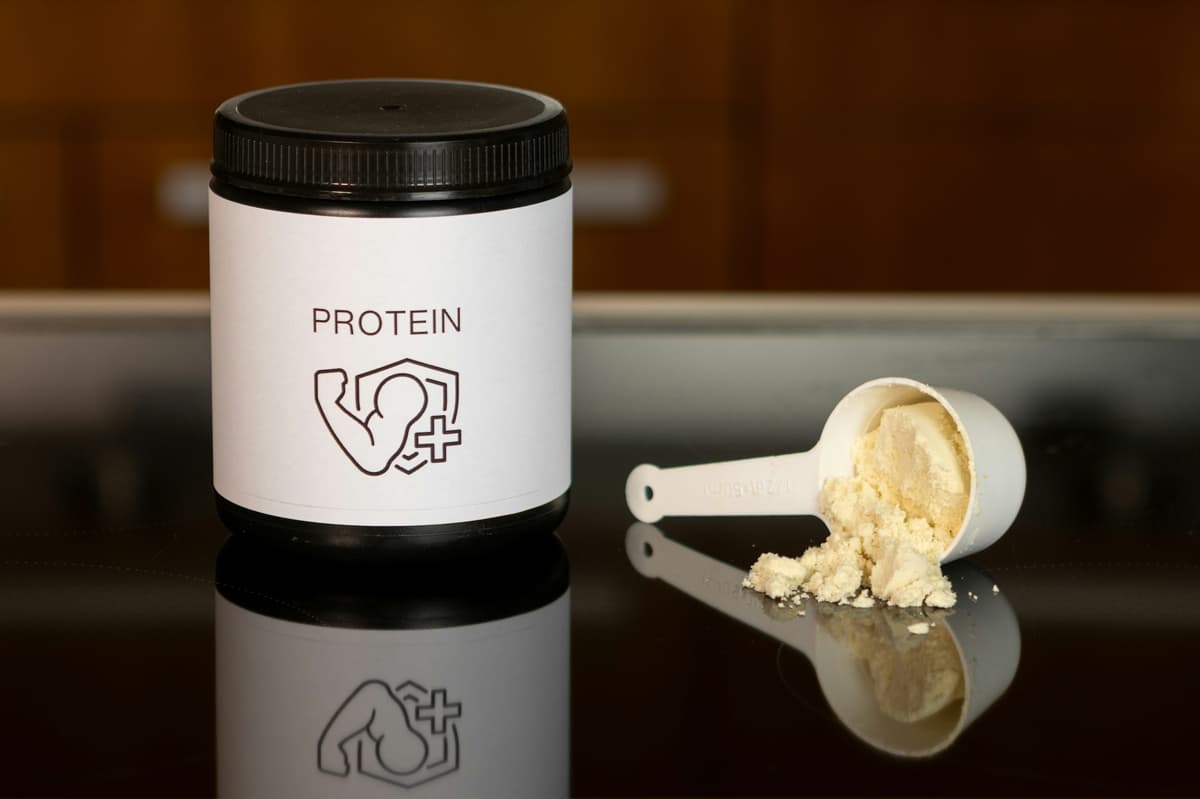
What to Know Before Adding Organic Protein Powder to Your Routine
Key Takeaways
- •Organic protein powders use ingredients grown without synthetic pesticides or GMOs
- •Plant‑based powders provide 20‑25 g protein per scoop, supporting recovery
- •Simple ingredient lists reduce fillers and improve digestibility
- •Timing intake post‑workout or between meals boosts energy and appetite control
- •Taste and texture drive long‑term adherence to protein supplementation
Pulse Analysis
The surge in clean‑label supplements reflects a broader consumer shift toward transparency and sustainability. Organic protein powder, whether derived from peas, rice, hemp, or whey sourced from organically raised cattle, must meet USDA organic standards that prohibit synthetic pesticides, artificial fertilizers, and genetically modified organisms. This certification reassures shoppers that the raw materials are cultivated responsibly, but it does not guarantee a minimal ingredient list. Brands that pair organic sourcing with concise formulas tend to win trust, especially as grocery aisles become crowded with super‑charged blends promising “superfood” benefits.
Beyond marketing, the physiological advantages of organic, plant‑based protein are grounded in nutrition science. A daily dose of 20‑25 grams of high‑quality protein helps stabilize blood sugar, curb mid‑day cravings, and support muscle protein synthesis—a critical factor as muscle mass naturally declines after age 30. For non‑athletes, the same mechanisms translate into smoother energy curves, reduced post‑activity soreness, and better satiety, making it easier to maintain a balanced diet without constant snacking. Studies from institutions like Harvard’s T.H. Chan School of Public Health underscore that protein needs vary with activity level and age, reinforcing the importance of personalized intake.
Choosing the right product hinges on three practical criteria: protein density, ingredient clarity, and palatability. Consumers should verify that each serving delivers at least 20 grams of protein and review the label for unnecessary additives or artificial sweeteners. Simple blends—often just a protein source, a stabilizer, and natural flavor—tend to digest more cleanly and cause fewer gastrointestinal issues. Finally, taste and texture are decisive; a powder that mixes smoothly and tastes pleasant is far more likely to become a habit. By aligning organic credentials with functional performance, shoppers can integrate protein powder into breakfast smoothies, post‑workout shakes, or even coffee, turning a modest supplement into a sustainable health advantage.
What to Know Before Adding Organic Protein Powder to Your Routine
Comments
Want to join the conversation?