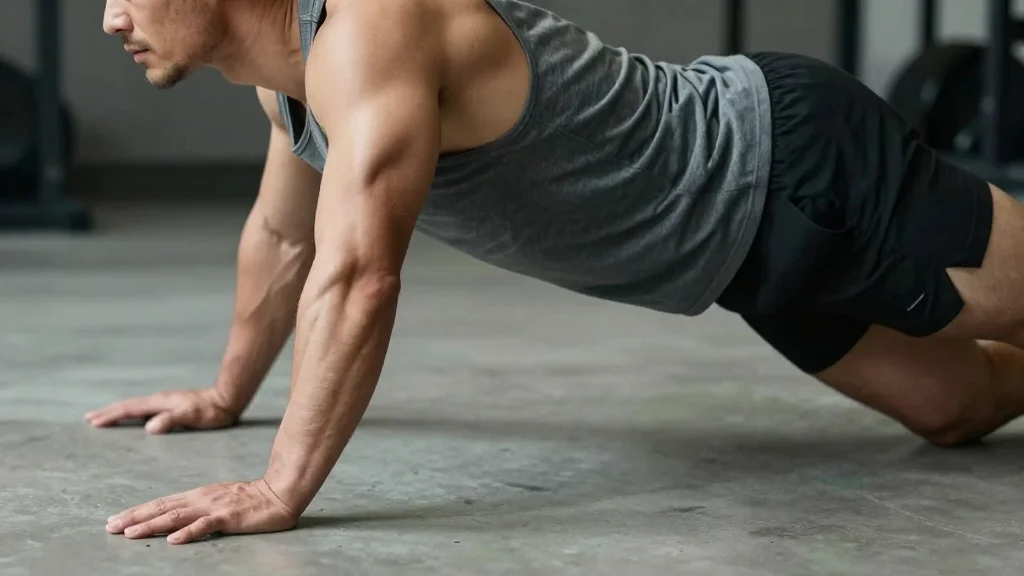
Why Weightlifters Should Be Leopard Crawling (If They Actually Want to Move Well)
Key Takeaways
- •Leopard crawling opens wrists, reducing forearm tightness.
- •Horizontal movement actively decompresses the lumbar spine.
- •Big‑toe extension improves hip activation and gait.
- •Combines cardio, strength, and coordination for functional conditioning.
- •Integrates hips, shoulders, core, enhancing lift efficiency.
Pulse Analysis
Functional movement is no longer a niche concept; it’s becoming a cornerstone of elite strength programs. While traditional bodybuilding emphasizes isolated muscle overload, modern athletes recognize that repetitive vertical loading can compress joints and limit range of motion. Practices like animal‑flow drills, especially leopard crawling, address these deficits by encouraging horizontal locomotion, which naturally stretches the spine and mobilizes the shoulders without adding external weight. This shift reflects a broader industry trend toward holistic training that balances load with mobility.
From a biomechanical perspective, leopard crawling targets three critical weak points for lifters. First, the crawl forces the wrists into extension, counteracting the chronic flexion caused by gripping heavy bars and reducing forearm stiffness that can impair grip strength. Second, the horizontal posture creates active spinal decompression, allowing vertebrae to glide and relieving pressure that often leads to lower‑back discomfort. Third, the emphasis on big‑toe dorsiflexion re‑engages the foot’s intrinsic muscles, enhancing hip extension and stabilizing gait—both essential for powerful squats and deadlifts. These micro‑adjustments translate into smoother, more efficient lifts and lower injury risk.
Integrating leopard crawling into programming is straightforward. Many coaches prescribe 2–3 sets of 20‑40 seconds at the end of a resistance session, or a dedicated 10‑minute conditioning block on off‑days, often paired with a light walk to reinforce mobility gains. The drill’s blend of cardiovascular demand, muscular tension, and coordination makes it a time‑efficient conditioning tool that complements strength work without compromising hypertrophy. As more performance facilities adopt functional‑movement curricula, athletes who adopt leopard crawling can expect not only better lift mechanics but also a more resilient, mobile physique capable of sustaining long‑term training goals.
Why Weightlifters Should Be Leopard Crawling (If They Actually Want to Move Well)
Comments
Want to join the conversation?