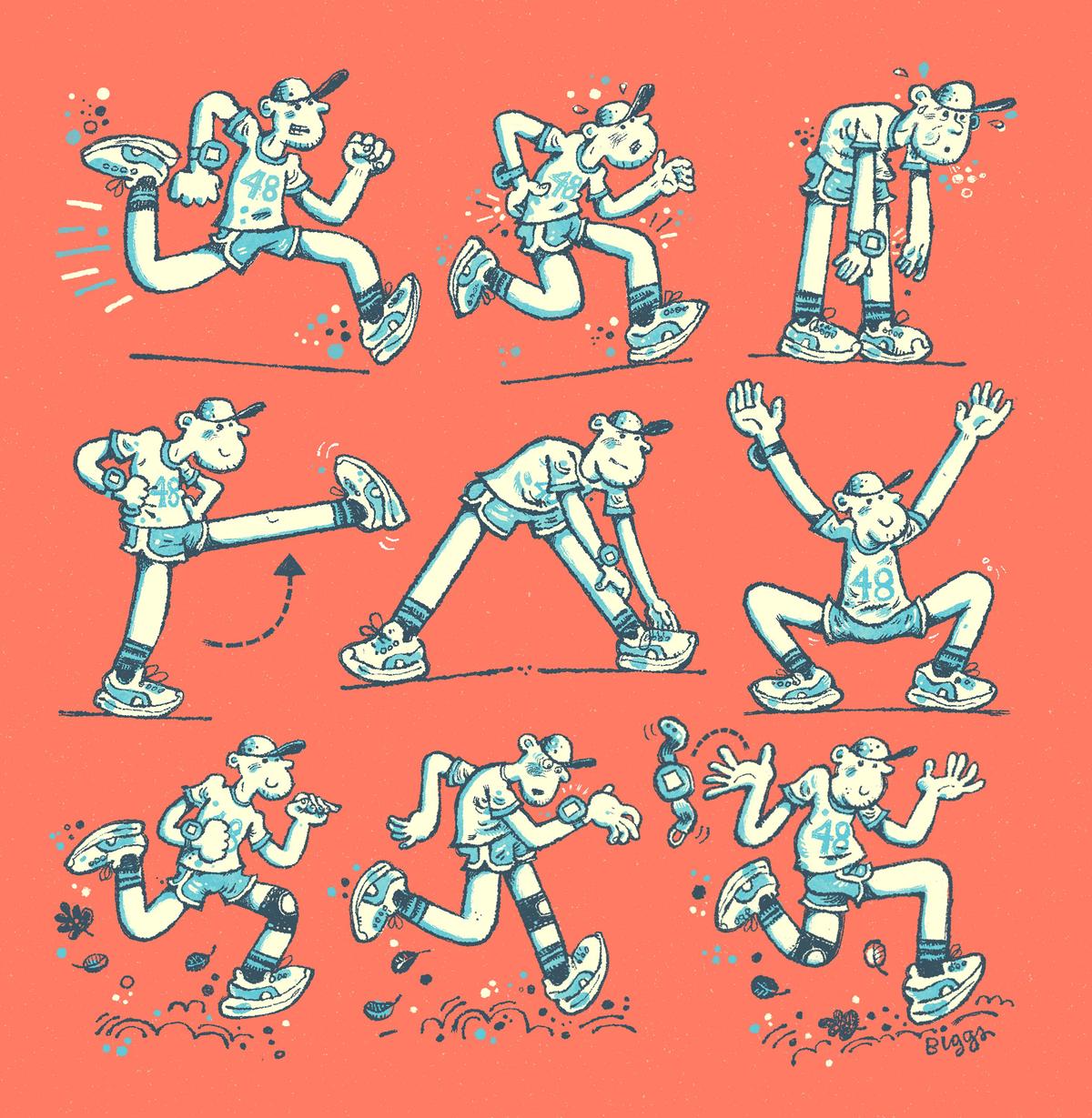
5 Essential Habits I’ve Embraced as I Approach 50 to Keep Running Strong
Why It Matters
As runners age, injury risk and recovery time increase; adopting these habits helps maintain performance and longevity, a concern for both individual athletes and the broader fitness market.
Key Takeaways
- •Warm‑up with dynamic stretches to protect joints and improve mobility
- •Build a solid base before adding speed work to avoid overtraining
- •Prioritize recovery tools like foam rollers, massage guns, and TENS devices
- •Use mental cues or pep talks to sustain motivation during tough runs
- •Run without a watch, focusing on feel and trail variety
Pulse Analysis
For athletes over 40, the physiological shift toward slower recovery and higher injury susceptibility demands a strategic overhaul of training habits. Studies show runners over 45 experience a 30% rise in overuse injuries compared to their younger peers, prompting a move away from high‑intensity, low‑volume sessions. McSherry’s emphasis on dynamic warm‑ups aligns with research that a 5‑10‑minute mobility routine can improve muscle elasticity and reduce joint strain, setting the stage for safer mileage accumulation.
The core of McSherry’s regimen—building a robust aerobic base before introducing speed work—mirrors periodization models favored by elite coaches. By establishing consistent low‑to‑moderate intensity runs, runners develop capillary density and mitochondrial efficiency, which later supports faster intervals without overtaxing connective tissue. Complementing this, his recovery protocol leverages foam rolling, percussive massage, and TENS therapy, tools that have been shown to accelerate blood flow and diminish delayed‑onset muscle soreness, allowing athletes to train more frequently with less downtime.
Beyond the physical, the mental components—pep talks and ego‑free running—address the psychological barriers that often derail seasoned runners. Self‑talk techniques improve focus and pain tolerance, while ditching the watch encourages intrinsic motivation and mindfulness, especially on technical trail routes. This holistic approach resonates with the growing market for personalized fitness platforms that blend data‑driven insights with behavioral coaching, underscoring a shift toward sustainable, age‑appropriate performance strategies.
5 Essential Habits I’ve Embraced as I Approach 50 to Keep Running Strong
Comments
Want to join the conversation?
Loading comments...