97‑Year‑Old Val Coleman Sets 7 Rowing Records; 60‑Year‑Old Milind Soman Swims Gibraltar

Why It Matters
These landmark achievements signal a paradigm shift in the fitness industry, where senior athletes are no longer peripheral but central to the narrative of high performance. As more older adults pursue elite‑level goals, gyms, equipment manufacturers, and health insurers must tailor services—offering age‑specific coaching, adaptive technology, and injury‑prevention protocols. Moreover, the visibility of such feats challenges societal stereotypes about aging, encouraging broader participation in vigorous activity and potentially reducing age‑related health costs. The successes of Coleman and Soman also provide data points for sports scientists studying longevity, muscle preservation, and cardiovascular resilience. Their disciplined, consistency‑first approaches suggest that sustainable, moderate training may be more effective for long‑term performance than sporadic high‑intensity bursts, a hypothesis that could reshape training curricula for both younger and older athletes.
Key Takeaways
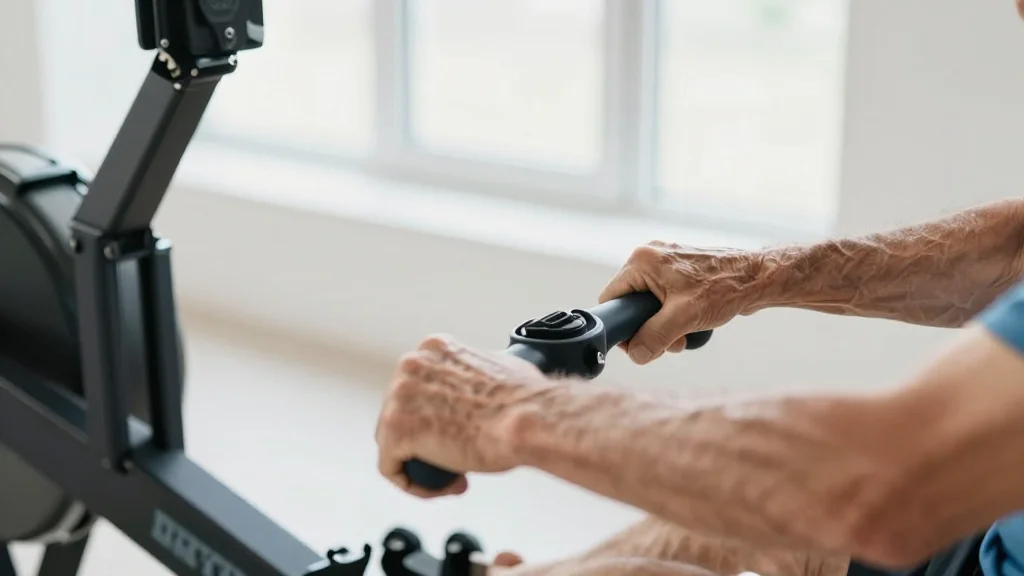
- •Val Coleman, 97, set seven indoor rowing world records across two age categories.
- •Milind Soman, 60, completed a 15‑km Strait of Gibraltar swim in 15 °C water.
- •Both athletes credit consistent, moderate‑intensity training over extreme short‑term regimens.
- •Their feats highlight a growing senior‑athlete movement reshaping fitness industry offerings.
- •Future plans include Coleman’s multi‑distance Bristol competition and Soman’s potential cold‑water challenges.
Pulse Analysis
The twin narratives of Val Coleman and Milind Soman illustrate a convergence of demographic trends and training philosophy that could redefine the high‑performance market. Historically, elite endurance sports have been the domain of athletes in their 20s and 30s, with senior participation limited to masters categories that receive minimal media attention. The recent surge in senior record‑breaking performances, amplified by social media, is creating a new consumer segment that demands specialized coaching, equipment, and recovery solutions. Companies that can deliver data‑driven, age‑adjusted programs—such as adaptive rowing machines with ergonomic supports or smart wearables that monitor thermoregulation in cold‑water swims—stand to capture a lucrative niche.
From a physiological standpoint, both athletes emphasize the power of cumulative, low‑to‑moderate intensity work, aligning with emerging research that suggests mitochondrial health and capillary density improve more sustainably through consistent training. This challenges the prevailing high‑intensity interval training (HIIT) hype, especially for older bodies where recovery windows are longer. Trainers and sports medicine professionals may need to recalibrate periodization models, integrating more frequent low‑impact sessions and emphasizing mental preparation, as highlighted by Coleman’s race‑planning mindset.
Looking ahead, the industry will likely see a proliferation of senior‑focused endurance events, from virtual rowing leagues to open‑water swim series with age‑graded categories. Sponsorships, media rights, and apparel lines tailored to older athletes could become mainstream, mirroring the rise of “senior influencer” culture. The key question remains whether the current wave is a fleeting novelty or the foundation of a lasting shift toward lifelong high‑performance fitness. If the latter, we can expect a reallocation of resources toward research, product development, and community building that supports athletes well into their 90s and beyond.
97‑Year‑Old Val Coleman Sets 7 Rowing Records; 60‑Year‑Old Milind Soman Swims Gibraltar
Comments
Want to join the conversation?
Loading comments...