AI and Fitness: Why Some Athletes Are Using Chatbots for Their Workouts
Companies Mentioned

Why It Matters
AI‑driven coaching expands access to customized training without costly subscriptions, reshaping how consumers engage with fitness technology and challenging traditional app providers.
Key Takeaways
- •Two-thirds of gym-goers used AI fitness tools in 2025.
- •General AI models can generate personalized training plans from raw data.
- •Athletes report AI feedback improves motivation and injury prevention.
- •Dedicated apps add AI features, but lack flexibility of chatbots.
Pulse Analysis
The fitness industry is undergoing a rapid AI transformation, with surveys indicating that roughly 66% of gym members experimented with AI‑enhanced software in 2025. Companies such as Strava, Peloton, and emerging startups have embedded machine‑learning algorithms to summarize workouts, count reps, and even analyze form via camera. This wave of integration lowers the barrier for data‑driven training, allowing users to tap into sophisticated analytics that were once reserved for elite athletes or costly personal coaches.
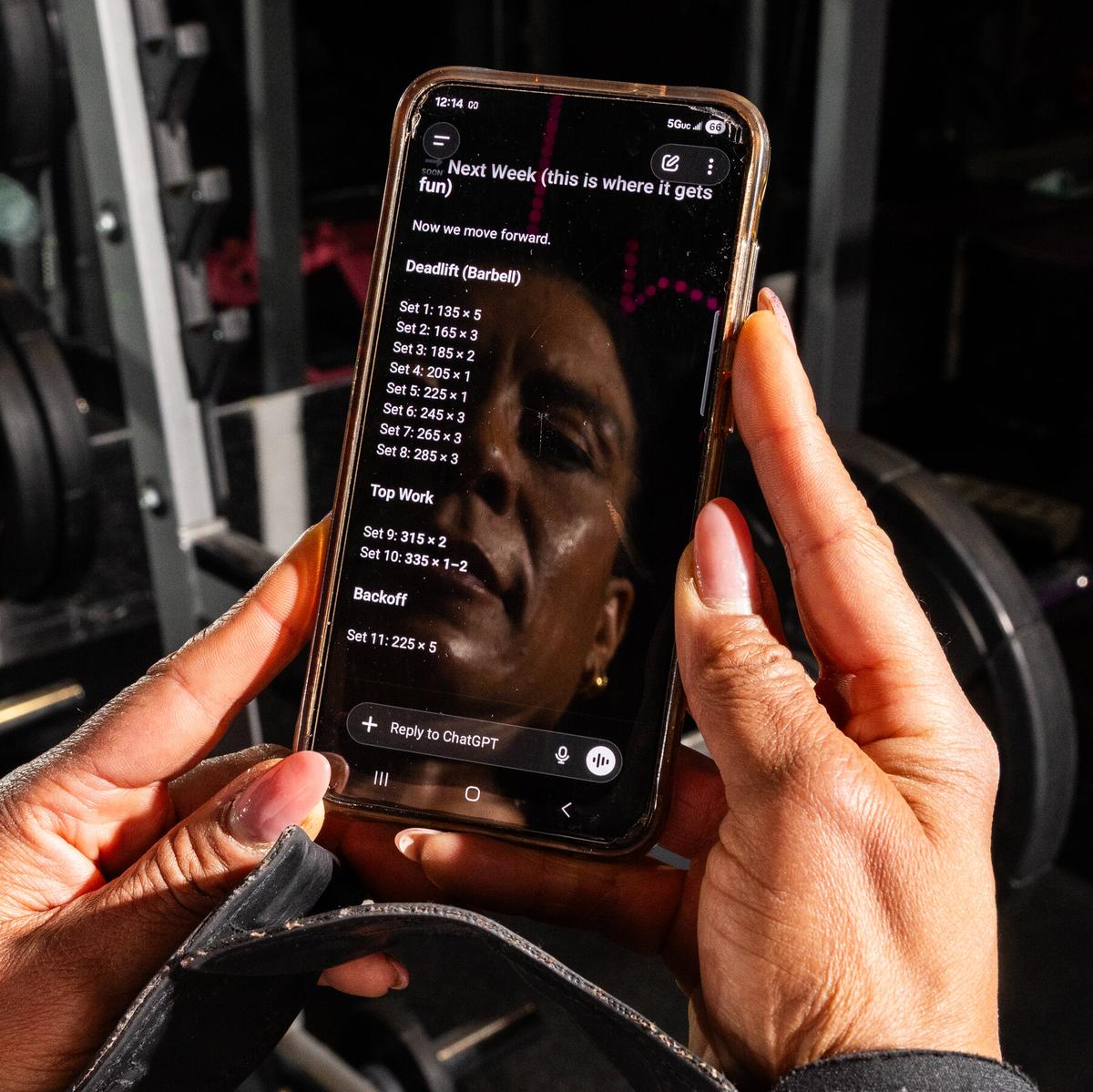
Beyond purpose‑built platforms, consumers are leveraging large language models like Claude and ChatGPT as ad‑hoc coaches. By feeding raw GPS logs or workout histories, these models can synthesize performance trends, flag injury risks, and draft periodized plans rooted in established coaching theory. Their conversational interface offers instant answers to niche queries—something static apps struggle to provide. However, the flexibility comes with trade‑offs: generic models lack domain‑specific validation, may generate unrealistic volume recommendations, and cannot monitor biomechanics in real time, underscoring the need for user discretion.
Looking ahead, the convergence of AI chatbots and specialized fitness ecosystems could reshape revenue models and coaching careers. As AI becomes a ubiquitous front‑line advisor, app developers may pivot toward subscription tiers that blend proprietary data pipelines with third‑party LLM access, while human trainers might focus on high‑touch services that machines cannot replicate, such as emotional support and nuanced technique correction. Privacy considerations will also intensify, given the sensitive health data required to power personalized recommendations. Stakeholders that balance AI scalability with rigorous validation and data stewardship are poised to capture the next wave of growth in digital fitness.
AI and Fitness: Why Some Athletes Are Using Chatbots for Their Workouts
Comments
Want to join the conversation?
Loading comments...