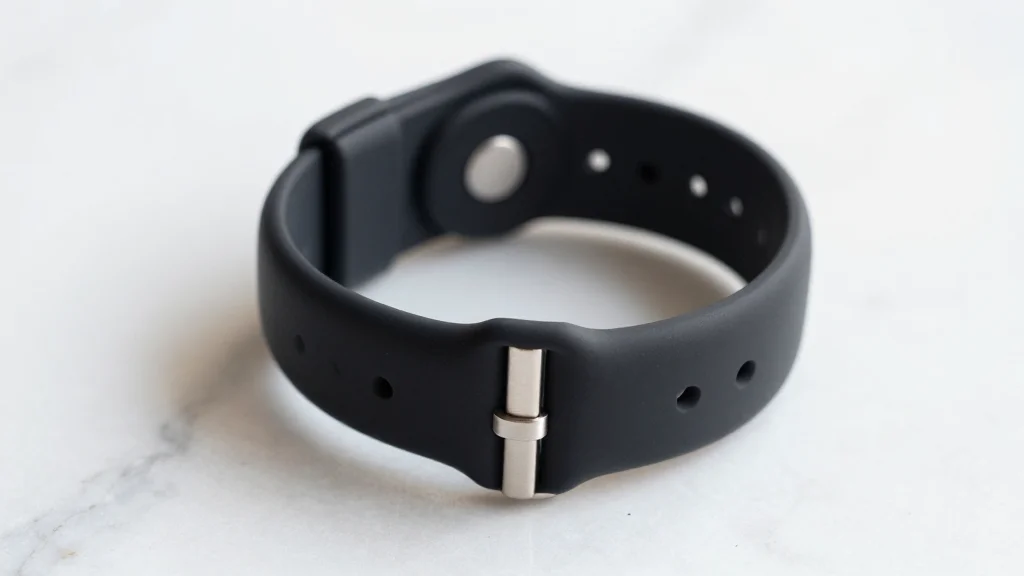
Amazfit Files FCC Docs for $99 Helio Strap 2, Targeting Late 2026 Launch

Companies Mentioned
Why It Matters
The Helio Strap 2 represents Amazfit’s attempt to retain relevance in a crowded wearables market where battery life, fast charging and ecosystem integration are decisive factors. By keeping the price low while adding modest hardware improvements, Zepp hopes to capture cost‑conscious athletes who are increasingly demanding seamless data across multiple devices. Success could reinforce the viability of a subscription‑free model in a space that is rapidly moving toward recurring‑revenue services, influencing how other manufacturers price and bundle their entry‑level products. If the strap fails to close the sync gap, it may accelerate the shift of budget‑focused consumers toward competitors that already offer unified health dashboards, potentially eroding Amazfit’s market share in the sub‑$100 segment. The outcome will also signal whether Zepp can leverage its broader ecosystem to drive cross‑selling of higher‑margin smartwatches.
Key Takeaways
- •Zepp Health filed FCC documents for Helio Strap 2 (models A2671, A2672) on May 12, 2026
- •Launch window projected for August‑November 2026 with a $99 price tag
- •Battery remains 230 mAh; expected runtime gain up to 30 % via efficiency improvements
- •Potential hardware upgrades include faster charging, refined strap‑swap mechanism, and a higher‑precision accelerometer
- •Critical challenge: adding workout‑level sync to Zepp OS 6 to match competitors like Fitbit Air and Garmin
Pulse Analysis
Amazfit’s Helio Strap 2 arrives at a crossroads where low‑cost wearables must either differentiate through unique health features or integrate tightly with a broader ecosystem. Historically, budget bands have survived by offering a clear value proposition—either a subscription‑free experience or a niche capability. Zepp’s decision to keep the price at $99 while only modestly improving hardware suggests confidence in its software ecosystem to drive adoption. However, the lack of advanced sensors such as ECG or blood‑pressure monitoring limits the strap’s appeal to serious athletes who increasingly rely on clinical‑grade metrics.
The real test will be Zepp’s ability to deliver seamless, workout‑level data sync across its device lineup. If the Helio Strap 2 can bridge that gap, it could become a gateway product, funneling users toward higher‑margin smartwatches like the Balance 3. Conversely, failure to do so may push price‑sensitive consumers toward Fitbit Air, which already offers rapid charging and a more integrated health suite. The outcome will likely influence whether other manufacturers continue to invest in ultra‑budget bands or consolidate around mid‑range devices that bundle richer analytics with subscription services.
Looking ahead, the August‑November launch window gives Zepp a narrow runway to finalize firmware that addresses the sync deficiency before the holiday shopping season. A successful rollout could reinforce the viability of a no‑subscription, low‑price model in a market trending toward recurring revenue. A misstep, however, could accelerate consolidation among budget wearables, leaving Amazfit to compete primarily on brand recognition rather than functional superiority.
Amazfit Files FCC Docs for $99 Helio Strap 2, Targeting Late 2026 Launch
Comments
Want to join the conversation?
Loading comments...