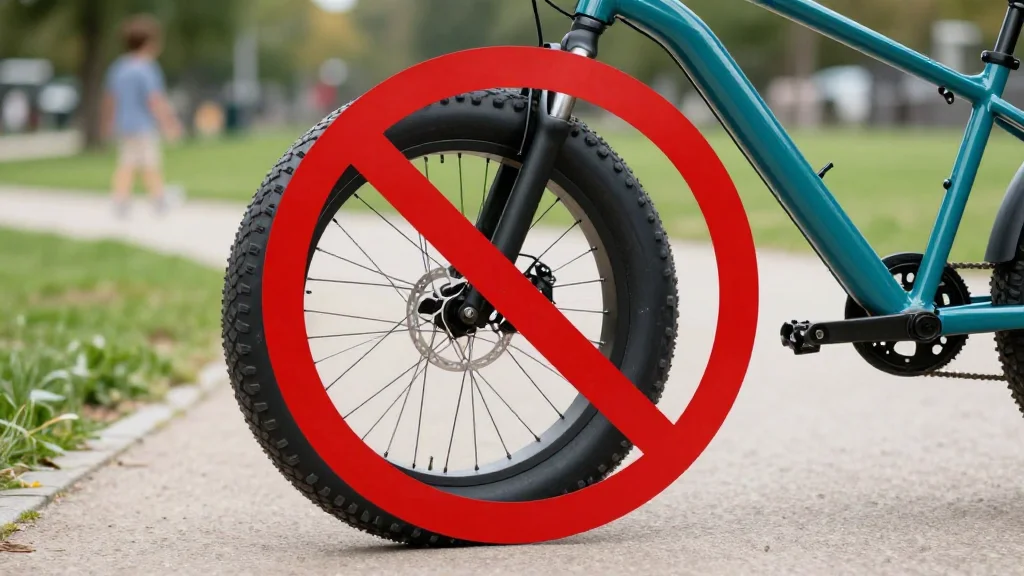
Amsterdam Bans Fast Fat‑Bikes in Vondelpark Over Safety Fears

Why It Matters
The ban reflects a pivotal moment for urban fitness policy, where the benefits of electric mobility clash with safety and public‑space concerns. As e‑bikes become a mainstream alternative to jogging and traditional cycling, municipalities must decide whether to regulate speed, age, or design to protect vulnerable users without stifling the health benefits of active transport. If Amsterdam’s approach proves effective, it could trigger a wave of similar restrictions across Europe, prompting manufacturers to redesign fat‑bikes for compliance and prompting fitness enthusiasts to adapt their training routines to slower, more regulated equipment.
Key Takeaways
- •Amsterdam bans electric fat‑bikes in Vondelpark after >2,000 complaints
- •Fat‑bikes can reach 50‑60 km/h (31‑37 mph), far above the legal 25 km/h limit
- •City official Melanie van der Horst cites child injuries comparable to motorcycle crashes
- •Petition against “fat‑bike gangs” gathered 2,400 signatures
- •Ban may reshape e‑bike market toward speed‑limited models and age‑based restrictions
Pulse Analysis
Amsterdam’s crackdown on high‑speed fat‑bikes is less about rejecting e‑mobility and more about calibrating it to the city’s dense, mixed‑use environment. The city’s cycling culture thrives on low‑speed, high‑volume traffic; a handful of fast, bulky bikes disrupts that equilibrium, creating safety externalities that outweigh the fitness upside. Historically, Dutch policy has favored infrastructure that separates fast motorized traffic from slower human‑powered modes. By targeting the outlier segment—fat‑bikes that blur the line between bike and scooter—Amsterdam is preserving that legacy while still endorsing electric assistance as a whole.
From a market perspective, manufacturers face a clear signal: performance upgrades that push speeds beyond 25 km/h will encounter regulatory headwinds in key European hubs. Companies that can embed reliable speed governors or develop age‑verification tech may capture a premium segment of safety‑conscious consumers. Conversely, brands that ignore these trends risk bans that could erode brand equity in a market that values public‑good alignment.
Looking ahead, the ban could catalyze a broader policy framework that standardizes e‑bike safety across the EU, potentially leading to continent‑wide speed caps and mandatory safety certifications. For fitness enthusiasts, the shift may encourage a return to traditional cycling or hybrid workouts that blend e‑bike commuting with low‑impact cardio, reinforcing the notion that technology should augment—not replace—human effort in urban health regimes.
Amsterdam Bans Fast Fat‑Bikes in Vondelpark Over Safety Fears
Comments
Want to join the conversation?
Loading comments...