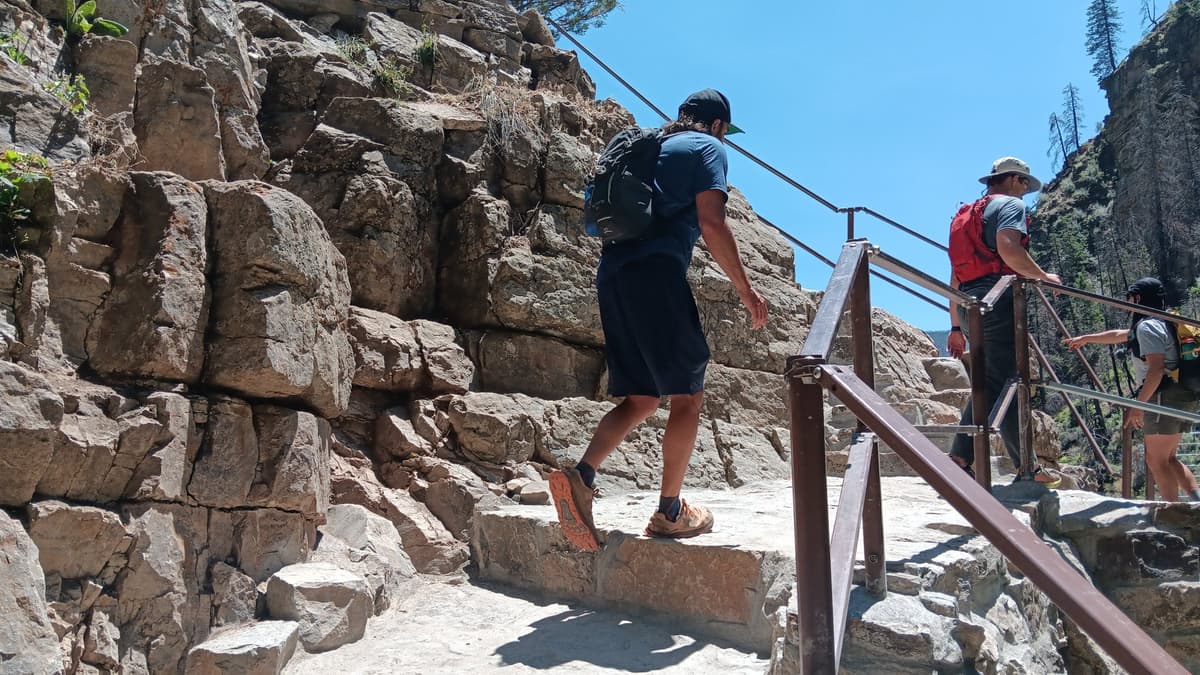
Are You Ready for Your Next Big Trip? Test Your Hiking Fitness With These 3 Assessments
Why It Matters
Objective fitness metrics let outdoor enthusiasts fine‑tune training, lower injury risk, and ensure they can handle demanding terrain. This data‑driven approach is increasingly vital as backcountry participation grows.
Key Takeaways
- •Lee Welton's three-test protocol targets legs, core, and cardio fitness
- •Baseline reps reveal gaps; repeat testing tracks progress
- •Exercises include squats, leg bridges, planks, calf raises, single‑leg dorsiflexion
- •Step‑up cardio test measures heart‑rate recovery for endurance insight
Pulse Analysis
The surge in backcountry travel has turned hiking from a casual pastime into a performance‑driven activity. As more people load heavier packs and attempt longer routes, the industry is seeking reliable ways to assess readiness. Backpacker’s three‑assessment framework fills that gap by translating trail demands into gym‑based metrics, offering hikers a clear benchmark before committing to multi‑day treks.
Each component of the assessment mirrors a core trail function. Squats, leg bridges, and calf raises replicate the repetitive ascent and descent motions, while planks and side‑planks gauge the core stability needed to maintain balance on uneven ground. The single‑leg dorsiflexion isolates the anterior tibialis, a muscle often overlooked yet critical for navigating steep inclines. By establishing a baseline and retesting periodically, hikers can pinpoint weaknesses, adjust their strength routine, and monitor recovery speed, turning vague training goals into measurable progress.
Beyond individual preparation, these fitness tests have broader market implications. Outdoor gear brands and fitness app developers can embed such assessments into product recommendations and training plans, creating a more integrated ecosystem for adventure seekers. Moreover, quantifiable fitness data helps medical professionals advise on injury prevention, while insurers may eventually use these metrics for risk assessment. In an era where data informs every aspect of consumer behavior, Backpacker’s structured approach equips hikers with the evidence they need to train smarter, trek farther, and stay safe.
Are You Ready for Your Next Big Trip? Test Your Hiking Fitness With These 3 Assessments
Comments
Want to join the conversation?
Loading comments...