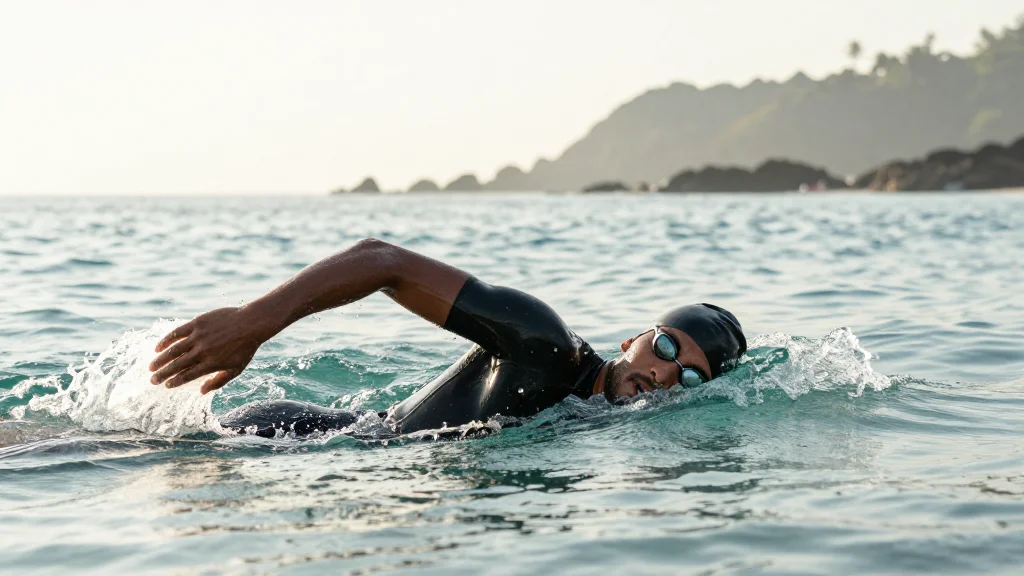
Aryan Dadiala Sets 210‑km World Record in Goa Sea Swim

Why It Matters
Dadiala’s record underscores a shift in the fitness landscape toward ultra‑endurance disciplines that demand not only physical stamina but also advanced mental conditioning. By proving that a swimmer from India can dominate a 210‑km oceanic course, the achievement expands the geographic narrative of elite endurance sports, encouraging athletes from emerging markets to pursue similarly ambitious goals. The swim also highlights the importance of integrated support systems—coaching, medical oversight, and real‑time tracking—in safely executing extreme feats. As more fitness brands and sponsors recognize the marketing potential of such high‑visibility challenges, investment in specialized training facilities and technology is likely to increase, benefitting the broader community of endurance athletes.
Key Takeaways
- •Aryan Singh Dadiala completed a 210‑km non‑stop swim in 49 h 41 m 4 s, setting World Record 218930.
- •The swim took place along Goa’s coastline from April 28‑30, 2026, under OWSA rules.
- •Dadiala swam without sleep, rest or physical support, enduring jellyfish stings and shoulder pain.
- •Goa Sports Minister Ramesh Tawadkar called Dadiala a “brave heart” after the feat.
- •The record may boost ultra‑endurance swimming interest and attract new sponsorships in India.
Pulse Analysis
Aryan Dadiala’s 210‑km swim arrives at a crossroads where traditional fitness pursuits intersect with the spectacle of extreme endurance. Historically, world‑record marathon swims have been dominated by a handful of Western athletes, largely due to access to funding, training infrastructure, and media exposure. Dadiala’s success signals a democratization of the sport, driven by localized support from state governments, swimming federations, and private sponsors willing to invest in high‑risk, high‑reward ventures.
From a market perspective, the swim creates a narrative hook for brands targeting the growing segment of fitness enthusiasts who seek out ‘edge’ experiences—think ultra‑marathons, Ironman triathlons, and adventure racing. Companies that align with Dadiala’s story can leverage the emotional resonance of perseverance and national pride, positioning themselves as enablers of extraordinary human performance. This could translate into increased sponsorship deals for future record attempts, as well as a surge in demand for specialized gear such as high‑visibility wetsuits, GPS tracking devices, and nutrition products designed for prolonged exertion.
Looking forward, the ripple effect may extend beyond the elite tier. Grassroots swimming programs in coastal Indian states are likely to experience heightened enrollment as young athletes aspire to emulate Dadiala’s achievement. Moreover, the successful implementation of rigorous safety protocols—continuous GPS monitoring and on‑board observers—sets a benchmark for future attempts, potentially prompting international bodies like the International Marathon Swimming Hall of Fame to recognize more diverse record‑setting venues. In sum, Dadiala’s record not only rewrites the distance metric but also reconfigures the commercial and developmental landscape of ultra‑endurance fitness in the region.
Aryan Dadiala Sets 210‑km World Record in Goa Sea Swim
Comments
Want to join the conversation?
Loading comments...