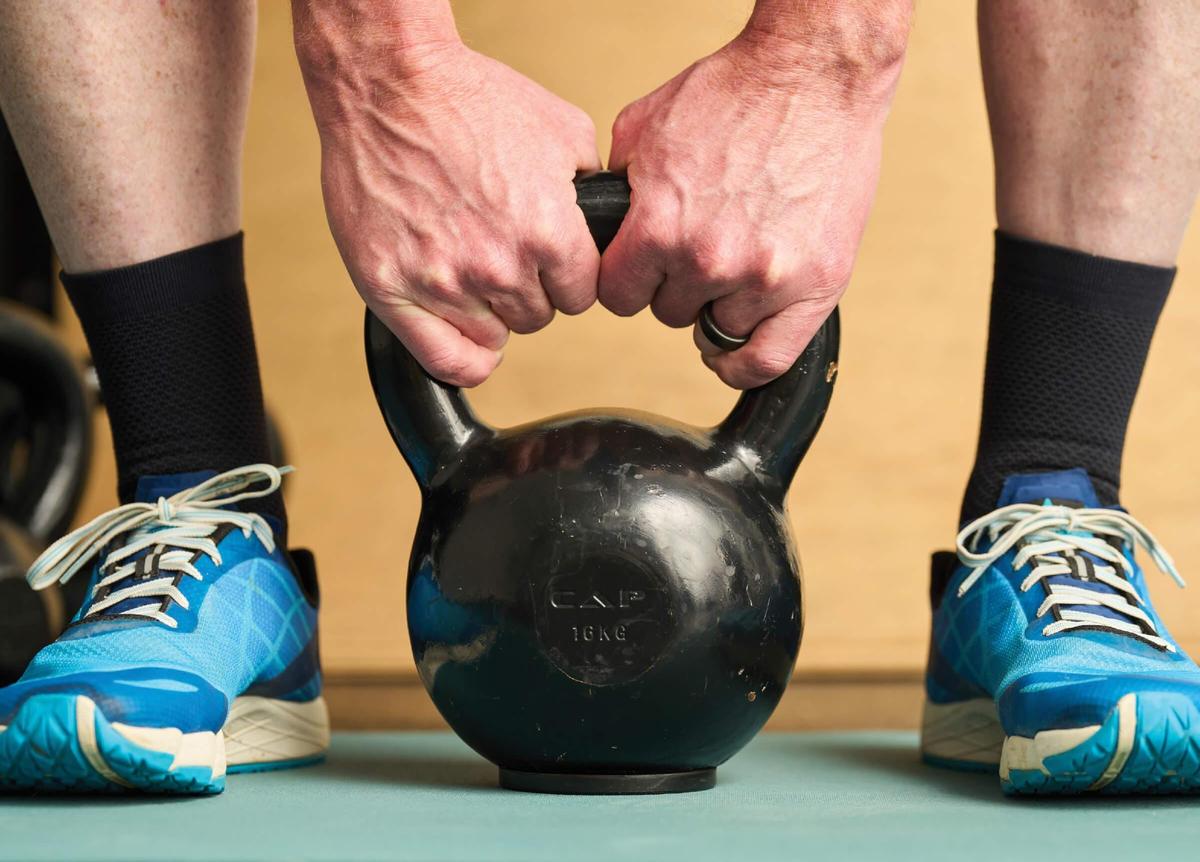
As a Trainer, I Swear by Strength Training. This Year, Go All In on Kettlebells.
Why It Matters
Strength work directly translates to higher output and fewer overuse injuries for endurance athletes, making kettlebells a cost‑effective performance lever for cyclists. The approach reshapes training norms, encouraging a blend of endurance and functional strength that can shorten recovery times and extend competitive longevity.
Key Takeaways
- •Kettlebells develop whole‑body power mimicking pedal stroke
- •Core anti‑rotation drills improve sprint stability on the bike
- •Short kettlebell circuits boost anaerobic capacity without bulk
- •Posterior‑chain strength counters cyclist’s rounded posture, reducing back pain
- •Start with hip‑hinge fundamentals before adding load for safety
Pulse Analysis
The convergence of endurance and strength training has moved from niche to mainstream, driven by research showing that power output and fatigue resistance improve when cyclists incorporate resistance work. Kettlebells have emerged as a preferred tool because they combine load, range of motion and dynamic movement in a compact package, allowing athletes to train at home or in limited spaces. Studies on elite cyclists reveal that even two weekly kettlebell sessions can raise peak power by 5‑7 percent, while also enhancing neuromuscular coordination essential for rapid pedal strokes.
For cyclists, the functional nature of kettlebell exercises aligns perfectly with on‑bike demands. Moves such as swings, Turkish get‑ups and single‑arm carries recruit the glutes, hamstrings and deep core simultaneously, fostering a stable torso that transfers force efficiently during climbs and sprints. The off‑center weight of the kettlebell forces stabilizer muscles to work harder, sharpening anti‑rotation and anti‑flexion control—key for maintaining aero position without compromising power. Additionally, high‑intensity kettlebell circuits elevate heart rate, improving anaerobic capacity and metabolic conditioning without sacrificing lean muscle mass, a balance that traditional steady‑state cardio often lacks.
Implementing kettlebell training requires a disciplined progression. Beginners should first master the hip hinge and diaphragmatic breathing to protect the lower back, then practice basic swings before advancing to complex patterns. A typical program might consist of three 20‑minute sessions per week, alternating between strength‑focused swings and cardio‑oriented circuits. Because kettlebells are relatively inexpensive and portable, they present a scalable solution for both amateur riders and professional teams seeking to integrate functional strength into periodized training plans. As the cycling community continues to prioritize injury prevention and power optimization, kettlebell conditioning is poised to become a staple in the sport’s performance toolkit.
As a Trainer, I Swear by Strength Training. This Year, Go All In on Kettlebells.
Comments
Want to join the conversation?
Loading comments...