Beyond the Barbell: 4 Surprising Truths About Strength, Survival, and the Powerlifting Soul
Why It Matters
The story shows how injury recovery, mental training, and inclusive culture can sustain powerlifting’s growth and attract a broader participant base.
Key Takeaways
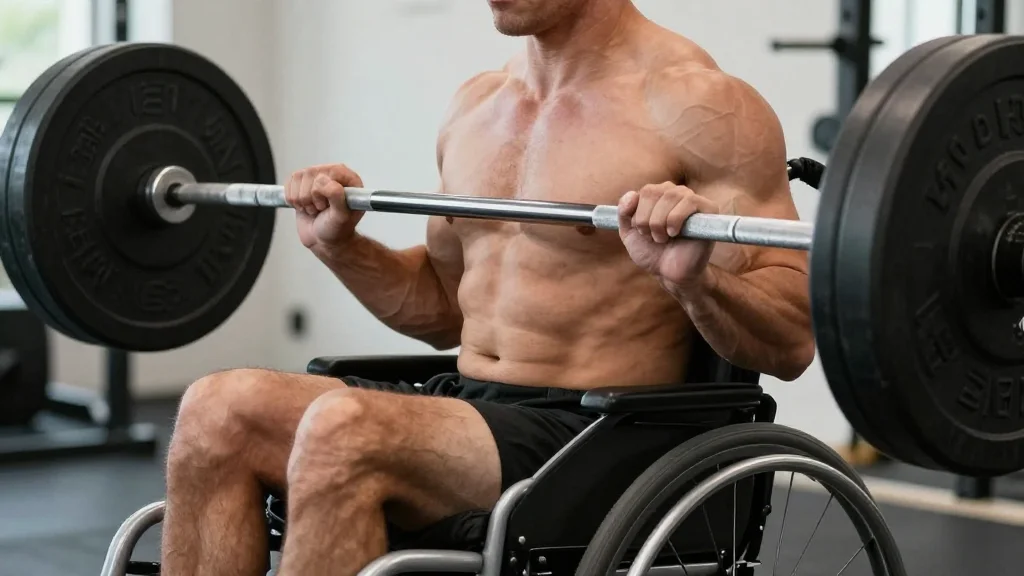
- •Rogers returned from wheelchair to a 2,138‑lb total after quad ruptures.
- •97% of lifters fund the sport, yet only 3% shape its narrative.
- •“The Gauntlet” uses deficit, pause, and beltless holds for mental fortitude.
- •Writing and reading are promoted to manage cortisol and prevent burnout.
- •“Build It Anyway” urges athletes to rebuild identity and mentor others.
Pulse Analysis
Powerlifting’s high‑intensity environment produces spectacular feats and, occasionally, catastrophic injuries. Travis Rogers’ simultaneous quad tendon ruptures are a stark reminder that the sport pushes the human body to its limits. His comeback, culminating in a 2,138‑lb total, underscores the role of advanced surgical care, disciplined rehabilitation, and a resilient mindset. For athletes and coaches, the case study highlights the importance of integrating medical expertise with progressive training cycles to mitigate re‑injury risk while pursuing elite performance.
Beyond the individual narrative, the economics of powerlifting reveal a stark power imbalance. While a vocal minority of elite lifters—roughly 3% of participants—commands social media attention and influences rule‑making, the remaining 97% shoulder the bulk of membership dues, competition fees, and federation costs. This disparity creates a moral imperative for top athletes to acknowledge their platform’s impact on the broader community. By championing transparency and mentorship, the sport can harness its grassroots base to foster sustainable growth and diversify its talent pipeline.
Rogers’ “Gauntlet” protocol and emphasis on literacy illustrate a holistic approach to performance. Chaos training—deficit lifts, paused reps, and beltless holds—forces athletes to confront discomfort, sharpening technical precision under stress. Coupled with deliberate writing and reading practices, lifters can regulate cortisol, process setbacks, and avoid burnout. The “Build It Anyway” philosophy extends this mindset beyond the platform, encouraging athletes to reconstruct identity after setbacks and contribute to the sport’s legacy. As powerlifting evolves, integrating mental resilience, community responsibility, and continuous learning will be key to its long‑term relevance.
Beyond the Barbell: 4 Surprising Truths About Strength, Survival, and the Powerlifting Soul
Comments
Want to join the conversation?
Loading comments...