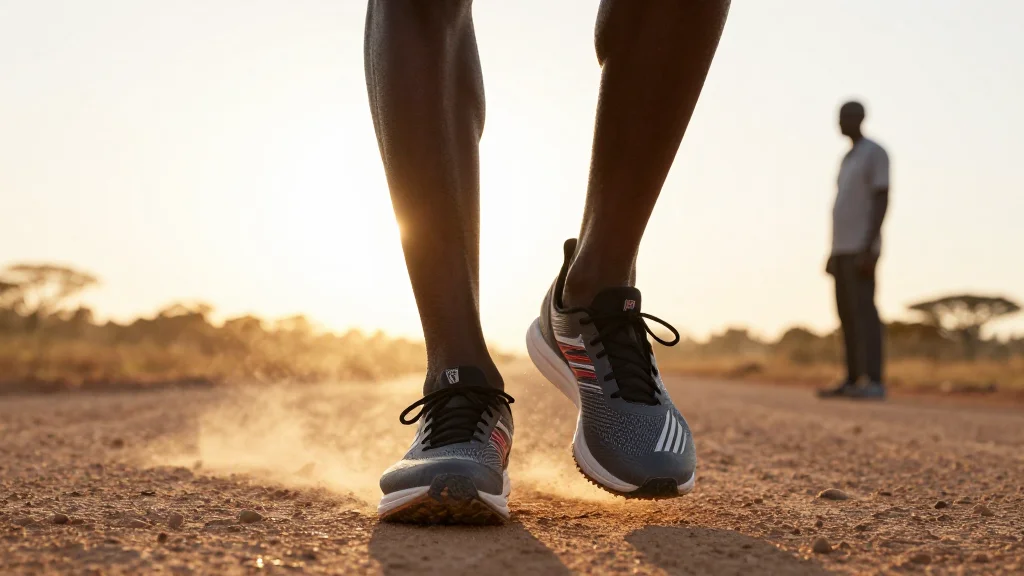
Boston Marathon Champ’s Advice Fuels Kogo’s Half‑Marathon Victory in Kenya

Why It Matters
The story underscores how elite mentorship can accelerate performance gains for emerging runners, a model that could reshape coaching in the broader fitness industry. By sharing concrete techniques rather than generic encouragement, top athletes can help raise the competitive standard across regional races, fostering a deeper talent pool. For sponsors and race organizers, the narrative offers a compelling marketing angle: showcasing how world‑class expertise trickles down to local heroes can attract spectators, media attention, and investment in grassroots events, ultimately strengthening the sport’s ecosystem.
Key Takeaways
- •Kogo won the 21km race in 1:00:55, beating the field by 15 seconds.
- •Prize money of Ksh 150,000 (~$1,070) awarded to the winner.
- •Kogo attributes his win to daily training tips from the 2024 Boston Marathon champion.
- •Second‑placed Kiprop leveraged his 800 m speed background for a strong finish.
- •The race highlights a rising trend of elite athletes acting as peer coaches.
Pulse Analysis
Kogo’s triumph is more than a personal milestone; it signals a shift toward peer‑driven coaching in distance running. Historically, elite runners relied on formal coaches, but the increasing accessibility of high‑performance athletes—thanks to social media and shared training camps—creates informal mentorship pipelines. This democratization of expertise can compress the development timeline for promising runners, especially in regions like East Africa where talent is abundant but resources are limited.
From a market perspective, the financial rewards, though modest, are a catalyst for athletes to seek sponsorships and professional contracts. As runners like Kogo demonstrate rapid improvement through elite guidance, sponsors will likely prioritize athletes who can showcase a clear development narrative. Race organizers can also capitalize on this by promoting mentorship stories, enhancing fan engagement and media coverage.
Looking ahead, the model could expand beyond running to other fitness domains—cycling, triathlon, and even strength sports—where elite practitioners mentor peers in real‑time. The key will be balancing competitive integrity with collaborative growth, ensuring that mentorship enhances performance without diluting the excitement of head‑to‑head competition.
Boston Marathon Champ’s Advice Fuels Kogo’s Half‑Marathon Victory in Kenya
Comments
Want to join the conversation?
Loading comments...