Why It Matters
Mastering Boston’s unique terrain and logistics can turn a daunting debut into a finish‑line success, influencing athletes’ confidence and long‑term marathon participation. The tips also illustrate how tailored training drives performance on one of the world’s most prestigious races.
Key Takeaways
- •Train hills with long runs and interval repeats to mimic Boston’s terrain.
- •Practice downhill form to protect quads during the race’s steep descents.
- •Study the course map and landmarks to pace and motivate yourself.
- •Tailor workouts to personal strengths, whether you excel at climbing or descending.
- •Prepare for varied weather and self‑sufficiency on race day logistics.
Pulse Analysis
The Boston Marathon’s reputation rests on its rolling hills and iconic landmarks, making hill‑specific training non‑negotiable for first‑time entrants. Coaches recommend a blend of long, steady mileage on inclines and high‑intensity interval sessions that replicate the steep gradients of Newton and Heartbreak hills. Some programs even incorporate altitude work in places like Colorado or Flagstaff, boosting aerobic capacity and muscular endurance. By conditioning both ascent and descent mechanics, runners protect their quads, improve stride efficiency, and reduce the risk of late‑race fatigue that often plagues newcomers.
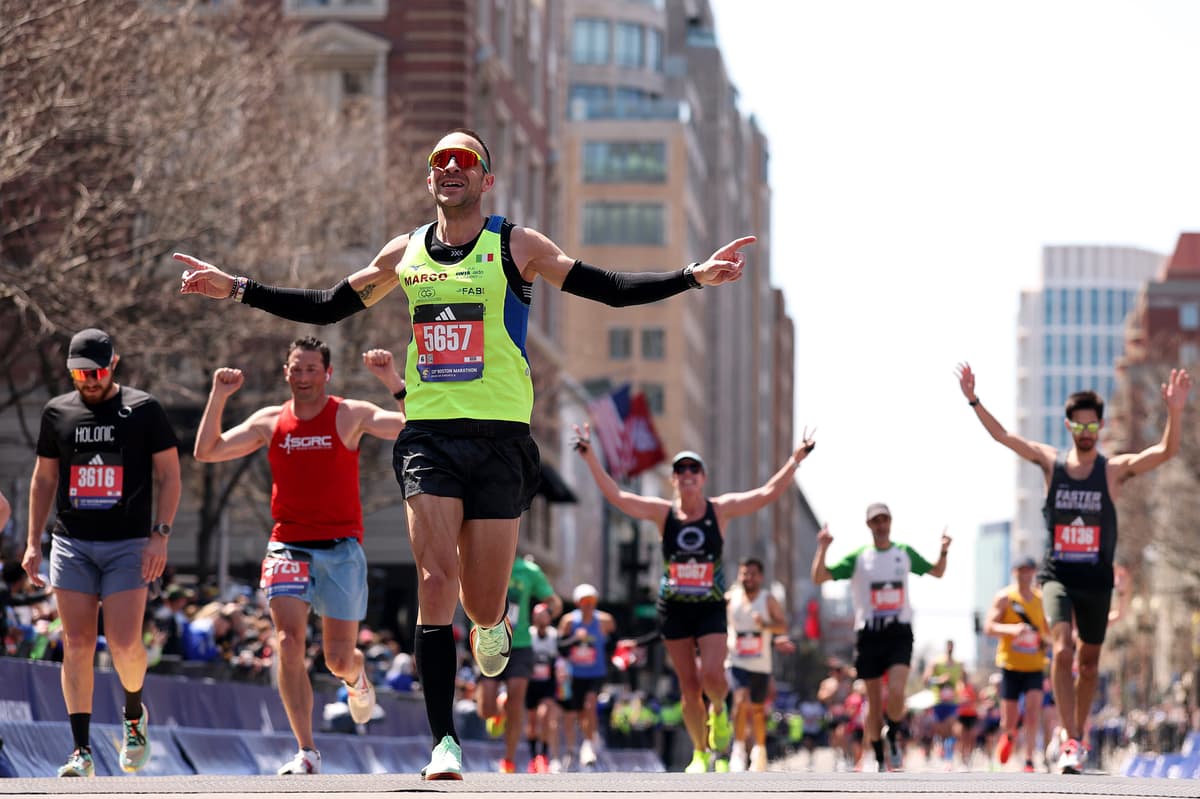
Beyond physical preparation, intimate knowledge of the course can be a psychological edge. Mapping out key turns, water stations, and visual cues such as the Boylston Street finish line allows athletes to segment the 26.2‑mile distance into manageable chunks. This mental pacing strategy, paired with self‑sufficiency on race day—knowing bus schedules, early wake‑up routines, and personal nutrition plans—helps runners stay focused when support crews are out of reach. Understanding the layout also fuels motivation; spotting familiar landmarks signals progress and can trigger a surge of energy in the critical second half.
Boston’s April weather is notoriously fickle, ranging from scorching heat to drenching rain and strong headwinds. Preparing for this spectrum means training in varied conditions, selecting adaptable apparel, and monitoring forecasts in the days leading up to the start. Coupled with a mindset of gratitude for the months of training, these elements transform anxiety into confidence. For first‑time marathoners, the synthesis of hill‑focused workouts, course intelligence, and weather readiness not only improves finish times but also embeds a lasting appreciation for one of the sport’s most storied events.
Boston Marathon Tips for First-Time Runners
Comments
Want to join the conversation?
Loading comments...