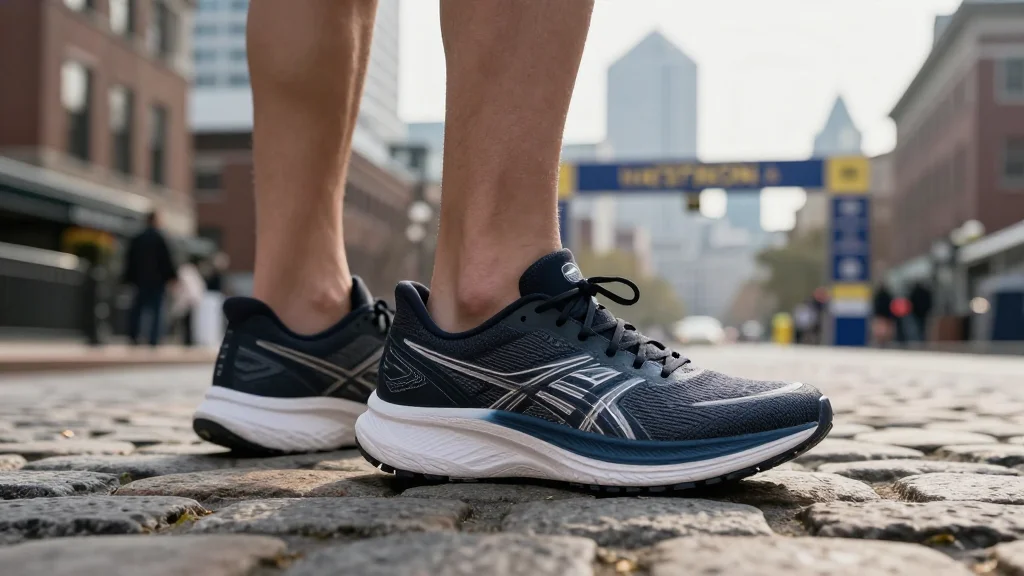
Boston Marathon’s 130th Edition Adds Six Start Waves and $1.5 Million in Prizes

Why It Matters
The Boston Marathon’s operational upgrades set a new standard for large‑scale endurance events, demonstrating how race organizers can balance elite competition with mass‑participation logistics. By expanding start waves, the marathon reduces congestion, potentially lowering injury risk and improving overall athlete experience—a key concern for the fitness community that looks to major races as benchmarks for training and performance. The $1.5 million prize pool signals a shift toward greater financial equity across all divisions, encouraging more athletes to pursue competitive running at the highest level. This move may inspire other marathons to reevaluate their compensation structures, fostering a more inclusive competitive landscape that benefits wheelchair and para‑athletics participants. The event’s emphasis on public‑transport usage and sustainability also aligns with broader health and environmental goals, reinforcing the marathon’s role as a catalyst for community‑wide fitness initiatives.
Key Takeaways
- •Six start waves replace four, aiming to improve athlete flow and safety
- •More than 30,000 runners from 137 countries will compete on April 21, 2026
- •Prize money exceeds $1.5 million across open, wheelchair and para‑athletics divisions
- •Reigning open‑division champion from Kenya and Swiss wheelchair champion will defend titles
- •Spectators urged to use public transportation due to extensive road closures
Pulse Analysis
Boston’s decision to add two start waves reflects a data‑driven response to congestion issues that have plagued major marathons in recent years. By segmenting the field more granularly, organizers can better match start times to runners’ projected paces, reducing the density of athletes on narrow road sections. This operational tweak could become a template for other legacy races that face similar scaling pressures, especially as participation numbers continue to climb globally.
The $1.5 million prize pool is equally consequential. Historically, marathon prize structures have favored the open division, leaving wheelchair and para‑athletics athletes with comparatively modest rewards. Boston’s inclusive payout not only elevates the prestige of these divisions but also signals to sponsors that there is commercial value in supporting a broader athlete base. This could unlock new sponsorship streams and media rights deals focused on under‑represented categories, reshaping the economics of endurance sport.
From a training perspective, the expanded wave system offers a more predictable race environment. Coaches can now plan pacing strategies with greater confidence that early‑race traffic will be less chaotic, potentially leading to faster overall times and new record attempts. The combination of logistical refinement and financial incentive positions the 130th Boston Marathon as a watershed moment for the sport, where operational excellence and equitable competition converge to set a new benchmark for future events.
Boston Marathon’s 130th Edition Adds Six Start Waves and $1.5 Million in Prizes
Comments
Want to join the conversation?
Loading comments...