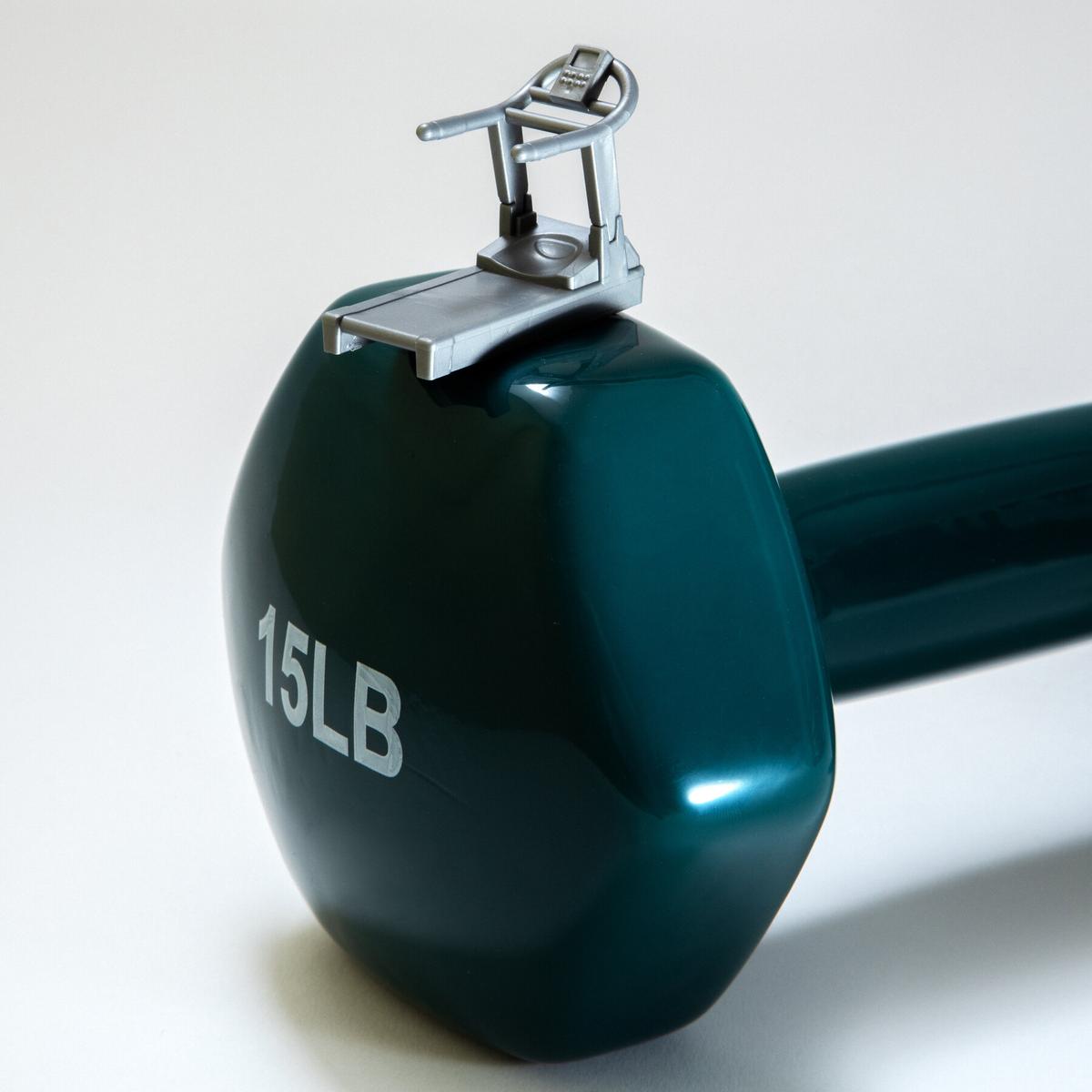
Cardio vs Strength Training: Do I Really Need to Do Both?
Why It Matters
Combining cardio with strength training maximizes health outcomes, helping individuals meet comprehensive fitness guidelines and reducing long‑term healthcare costs.
Key Takeaways
- •150 mins moderate cardio weekly still recommended by health agencies.
- •Strength training alone doesn’t improve cardiovascular fitness or heart health.
- •Balanced routine lowers risk of obesity, diabetes, and premature aging.
- •Combined workouts boost metabolism and support muscle preservation.
- •Time‑efficient hybrid programs meet both strength and aerobic goals.
Pulse Analysis
The fitness landscape has shifted dramatically over the past decade, with social media influencers and boutique gyms championing strength training as the quickest path to a sculpted physique. This cultural swing has spurred a surge in equipment sales, online coaching platforms, and membership models that prioritize weight rooms over cardio zones. While the market response is clear—muscle‑building drives engagement—researchers caution that a singular focus may overlook essential health metrics that cardio uniquely supports.
Cardiovascular exercise remains a cornerstone of public‑health recommendations. The American Heart Association, the CDC, and the WHO continue to endorse at least 150 minutes of moderate‑intensity aerobic activity each week, citing robust evidence that cardio improves heart function, lowers blood pressure, and enhances insulin sensitivity. Recent longitudinal studies also link regular aerobic work to reduced dementia risk and better lipid profiles, benefits that strength training alone cannot fully replicate. For individuals aiming to age gracefully, integrating cardio mitigates the metabolic slowdown that often accompanies muscle‑centric routines.
For gyms, trainers, and wearable tech firms, the solution lies in hybrid programming that marries efficiency with completeness. Interval‑based classes, such as high‑intensity interval training (HIIT), deliver cardio benefits in short bursts while preserving the strength‑building appeal. Digital platforms can personalize schedules that allocate 2‑3 strength sessions and 2‑3 cardio slots, optimizing adherence for busy professionals. By promoting balanced regimens, the industry not only enhances member outcomes but also taps into a broader revenue stream that addresses the full spectrum of health‑focused consumers.
Cardio vs Strength Training: Do I Really Need to Do Both?
Comments
Want to join the conversation?
Loading comments...