Why It Matters
High‑volume programming combined with structured deloads showcases a balanced method for muscle hypertrophy and injury prevention, a model many fitness professionals and enthusiasts can replicate.
Key Takeaways
- •4‑13 back day: 4 rounds, 25 reps each, high volume.
- •4‑14 chest day: pushdowns, rows, bench, 4 rounds, 25 reps.
- •Deload legs: calf raises, TRX squats, lower intensity, 4 rounds.
- •Deload arms: incline DB press, rev curls, grip work, 4 rounds.
- •Consistent 45‑second rests boost metabolic stress and endurance.
Pulse Analysis
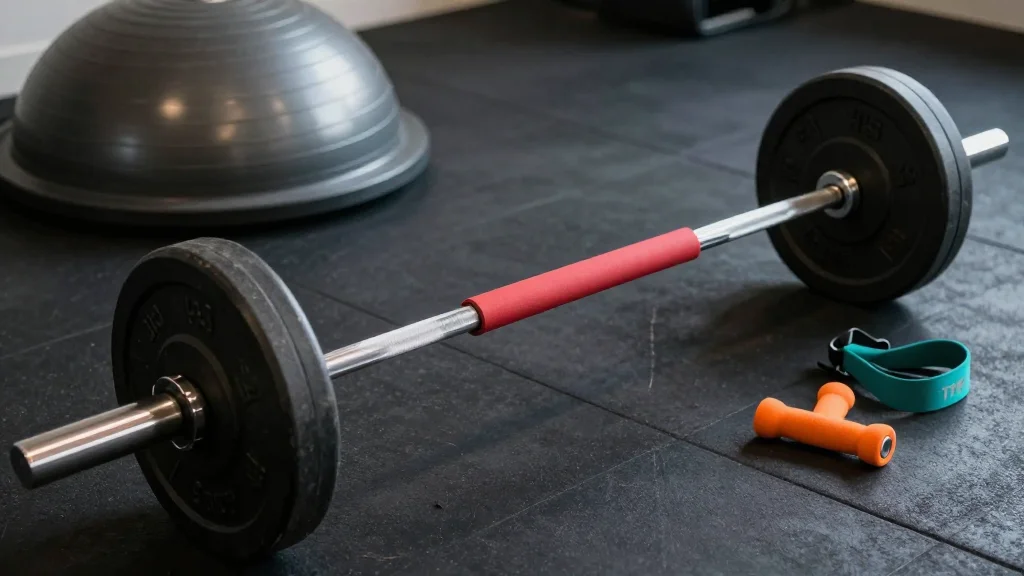
High‑volume training has surged in popularity among strength athletes seeking rapid hypertrophy. The April 13‑14 sessions illustrate this trend, pairing traditional lifts like seated leg curls and DB bench presses with niche tools such as Fat Gripz and resistance bands. These accessories increase time‑under‑tension and recruit stabilizer muscles, delivering a metabolic stimulus that mirrors modern “muscle‑building circuits.” By structuring four rounds of 25‑rep sets with 45‑second breaks, the routine maximizes caloric burn while preserving technique.
Equally critical is the deliberate deload week on April 17, which scales back load and volume to promote recovery. Incorporating lighter calf raises, TRX leaning squats and grip‑focused exercises like CoC grippers, the author addresses early signs of overreaching—disrupted sleep and appetite. Scientific research confirms that periodic reductions in intensity help replenish glycogen stores, normalize hormonal profiles and reduce injury risk, ultimately supporting long‑term performance gains. The shift from heavy compound work to mobility‑centric movements also enhances joint health.
For practitioners aiming to emulate this approach, three guidelines stand out: first, pair primary lifts with accessory tools that challenge grip and range of motion; second, schedule a deload every 4‑6 weeks, cutting volume by 30‑40% and focusing on corrective exercises; third, monitor recovery markers such as sleep quality, hunger cues and subjective fatigue. By integrating these principles, coaches can design programs that deliver consistent strength improvements while safeguarding athlete well‑being.
Clockin' A Grip
Comments
Want to join the conversation?
Loading comments...