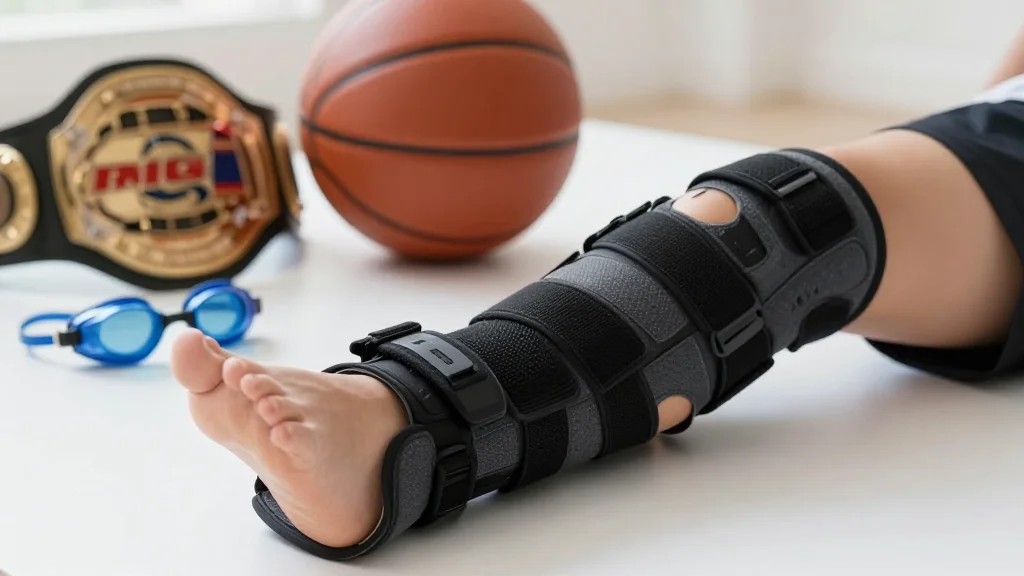
Curry Cleared, Bella Rehabbing, Williamson Eyes Commonwealth Gold After Severe Injuries

Companies Mentioned

NBA
Why It Matters
These rehab updates illustrate how elite athletes across disparate sports are leveraging advanced medical interventions and personalized conditioning to shorten downtime. Curry’s return could influence contract valuations for veteran NBA players managing chronic injuries, while Bella’s high‑profile comeback highlights the need for sustainable health policies in wrestling’s grueling schedule. Williamson’s rapid surgery and rehab showcase the importance of integrated sport‑science support, especially for athletes aiming for multi‑year competition cycles like the Commonwealth Games. Collectively, the stories signal a market where injury prevention and recovery are becoming as strategically important as on‑field performance. Teams and promoters are likely to invest more in on‑site medical teams, data‑driven rehab monitoring, and mental‑health resources to ensure athletes can meet demanding timelines without compromising long‑term health.
Key Takeaways
- •Stephen Curry cleared to play after missing 27 games and a 9‑18 team record.
- •Nikki Bella spotted in a walking boot, confirmed "currently undergoing some rehab" for WrestleMania 42.
- •Sam Williamson suffered a complete patella‑tendon rupture and had surgery within 24 hours.
- •Curry describes his recovery as a "new normal" with no structural knee damage.
- •Williamson targets the 2026 Commonwealth Games after rapid rehab with the VIS.
Pulse Analysis
The convergence of high‑profile rehab news across basketball, wrestling and swimming underscores a growing parity in how elite sport treats injuries. Historically, NBA players like Curry have relied on incremental, season‑by‑season adjustments; his candid admission of a "new normal" reflects a shift toward transparent, long‑term health management rather than short‑term fixes. In wrestling, the physical demands are less quantifiable, but Bella’s public rehab timeline suggests promoters are now more willing to showcase recovery narratives, potentially as a branding tool to humanize performers.
Swimming, often perceived as low‑impact, is revealing its own injury risks through Williamson’s case. The rapid medical response—doctor within 30 minutes, surgery within a day—highlights how national sport institutes are integrating acute care with performance planning. This model could become a benchmark for other individual sports where a single injury can derail years of training.
From a market perspective, these stories may accelerate investment in wearable tech that monitors joint stress, AI‑driven rehab protocols, and cross‑disciplinary medical teams. As athletes like Curry negotiate contracts that factor in chronic injury risk, teams will likely demand more robust health clauses. Meanwhile, promoters such as WWE may leverage rehab transparency to build fan loyalty, positioning athletes as resilient heroes. The next wave of sports business will probably see health data becoming a core asset, influencing everything from ticket sales to sponsorship deals.
Curry cleared, Bella rehabbing, Williamson eyes Commonwealth gold after severe injuries
Comments
Want to join the conversation?
Loading comments...