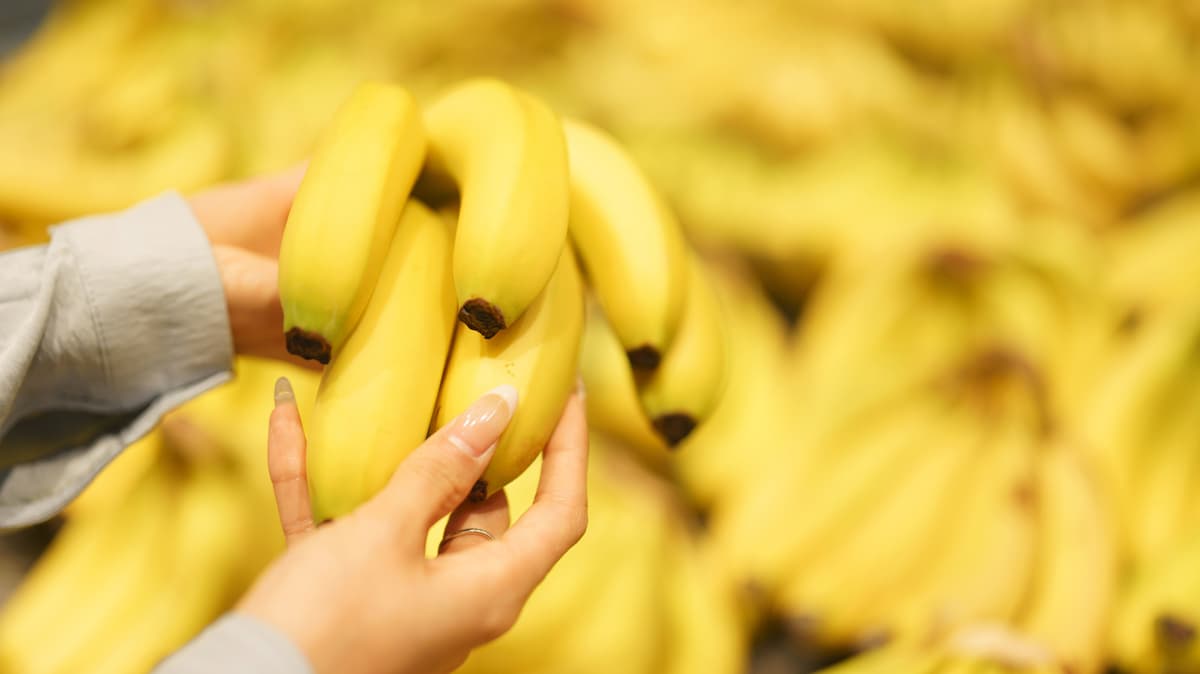
Ditch Bananas For This Hydrating Liquid Containing 600 Mg Of Potassium
Why It Matters
Coconut water’s high potassium content makes it a practical hydration option for athletes and active consumers, while its growing market share challenges conventional sports drink brands. Understanding safe intake limits is essential to avoid health risks associated with electrolyte overload.
Key Takeaways
- •Coconut water provides up to 690 mg potassium per cup.
- •One banana supplies about 450 mg potassium.
- •Adults need ~4.7 g potassium daily; two 8‑oz cups suffice.
- •Excess coconut water can cause dangerous hyperkalemia.
- •Mix coconut water with citrus, salt for natural sports drink.
Pulse Analysis
Potassium is a cornerstone mineral for cardiovascular function, muscle contraction, and fluid balance. While bananas have long been the go‑to snack for post‑workout potassium, a single cup of coconut water can contain up to 690 mg—about 50% more than the fruit. This makes the tropical drink an efficient way to replenish electrolytes without the added sugars found in many commercial sports beverages. Nutritionists point out that the natural sugar profile of coconut water, combined with its electrolyte density, offers a cleaner hydration solution for both casual exercisers and elite athletes.
However, the benefits come with a caveat. The average adult’s recommended potassium intake hovers around 4.7 grams per day. Consuming two 8‑ounce cups of coconut water provides roughly 1,300 mg, which fits comfortably within daily limits for most people. Yet cases of hyperkalemia have emerged when individuals consume excessive volumes, particularly in hot conditions or when kidney function is compromised. Health authorities advise monitoring intake and pairing coconut water with plain water to maintain overall fluid balance, ensuring that electrolyte replenishment does not tip into toxicity.
The coconut water market has surged, driven by consumer demand for natural, functional beverages. Brands are capitalizing on this trend by introducing flavored blends and fortified versions that mimic sports drink performance while retaining a clean label. This shift pressures traditional sports drink manufacturers to reformulate with lower sugar and natural electrolytes. For businesses, positioning coconut water as a premium, health‑forward alternative can capture a segment of fitness‑focused shoppers seeking both taste and nutritional efficacy.
Ditch Bananas For This Hydrating Liquid Containing 600 Mg Of Potassium
Comments
Want to join the conversation?
Loading comments...