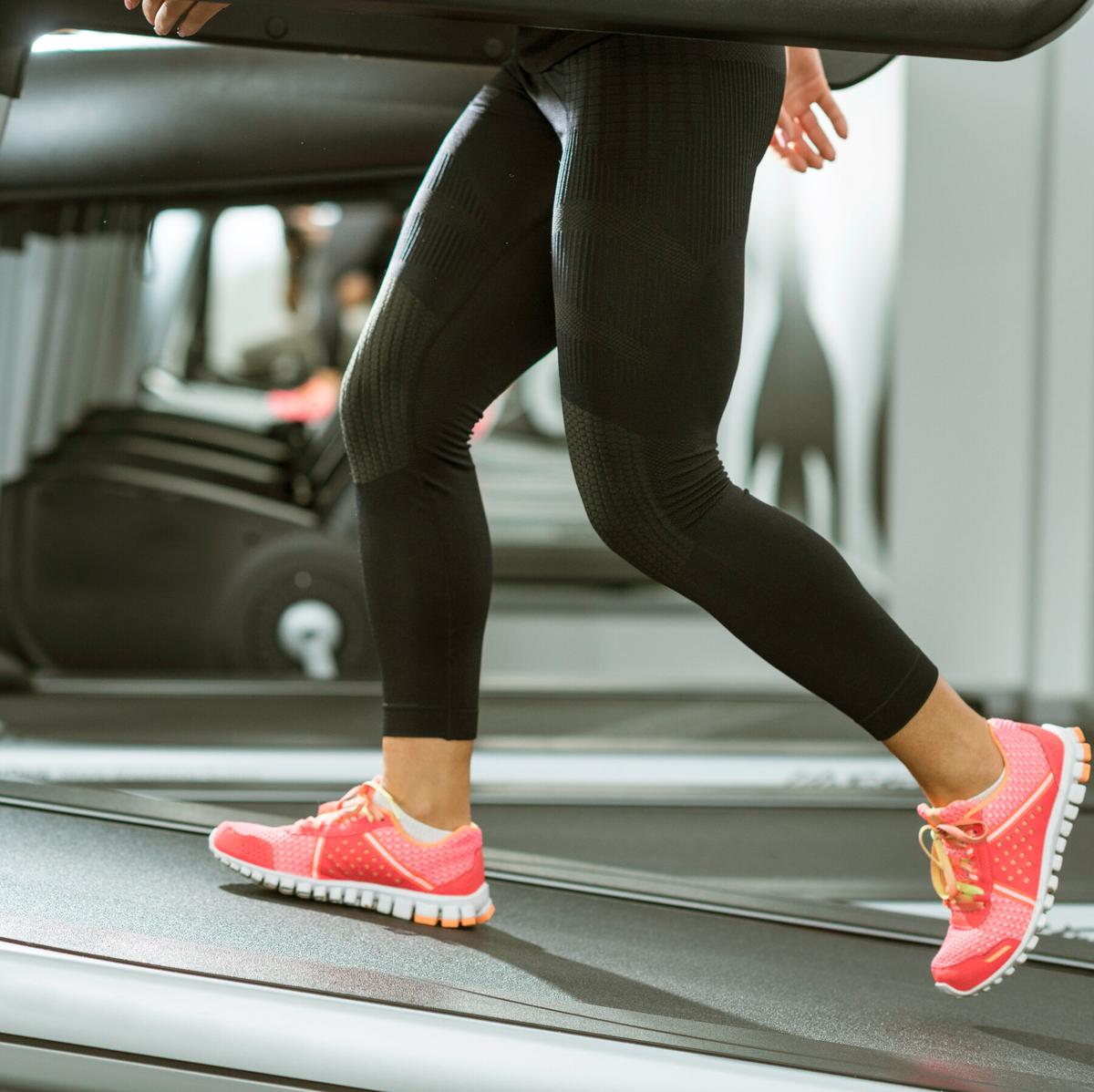
Does the 12-3-30 Treadmill Workout Work? Here’s What to Know.
•March 6, 2026
0
Why It Matters
The viral, low‑impact routine reshapes consumer fitness habits, boosting treadmill demand and influencing health outcomes across the market.
Key Takeaways
- •Walk 12% incline, 3 mph, 30 minutes
- •Viral on TikTok since 2020, resurging popularity
- •Low impact, suits beginners and joint‑sensitive users
- •Improves cardiovascular endurance, modest calorie burn
- •Risks include overuse injuries without proper progression
Pulse Analysis
The 12‑3‑30 treadmill protocol has become a staple of the fitness‑focused TikTok feed, where short‑form videos amplify simple, repeatable workouts. By prescribing a single setting—12 percent incline, three miles per hour, thirty minutes—the routine eliminates decision fatigue, making it attractive to beginners, busy professionals, and older adults seeking a low‑impact option. Its resurgence this winter aligns with colder weather that pushes people indoors, driving higher treadmill usage in home gyms and commercial facilities alike. The viral nature also fuels community challenges, encouraging daily adherence and generating user‑generated content that further spreads the method.
From an exercise‑science standpoint, the protocol delivers moderate‑intensity aerobic stimulus while engaging the posterior chain, glutes, and calves more than flat walking. A small study conducted by UNLV’s kinesiology department found participants experienced a 10‑15 percent increase in VO₂ max after four weeks of thrice‑weekly sessions, alongside modest calorie expenditure—approximately 250‑300 kcal per workout for a 155‑lb individual. Because the speed remains walking‑pace, joint stress stays low, reducing injury risk compared with running. However, the fixed incline can strain the lower back if users lack core stability, underscoring the need for gradual progression and proper form.
The popularity of 12‑3‑30 carries tangible implications for the fitness industry. Manufacturers report a spike in demand for treadmills with programmable incline presets, prompting brands to market “TikTok‑ready” models equipped with one‑touch routines. Gym chains are incorporating the workout into group classes and digital platforms to attract members seeking structured, shareable content. Meanwhile, health‑tech apps are integrating the protocol into their libraries, leveraging its viral cachet to boost user engagement. While the routine offers an accessible entry point, professionals caution that long‑term fitness goals require varied stimulus, prompting providers to balance trend‑driven programming with evidence‑based periodization.
Does the 12-3-30 Treadmill Workout Work? Here’s What to Know.
0
Comments
Want to join the conversation?
Loading comments...