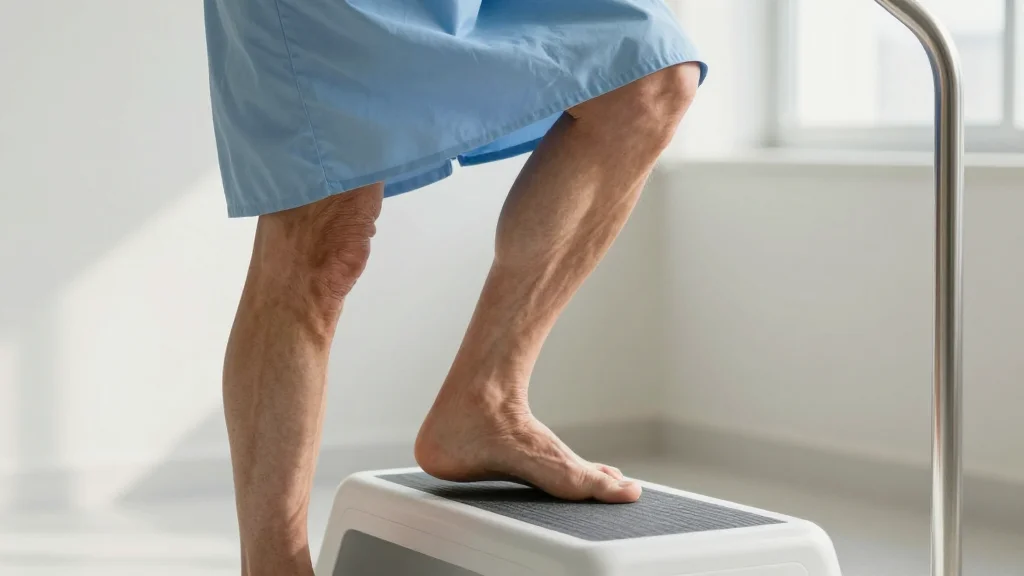
Early Weight‑Bearing Cuts Recovery Time After Hip Fracture Surgery

Why It Matters
Hip fractures are a leading cause of disability and mortality among older adults, accounting for billions of dollars in health‑care costs annually. Accelerating functional recovery not only improves patients' independence and quality of life but also eases the strain on caregivers and long‑term care facilities. By proving that early weight‑bearing does not compromise surgical integrity, the study challenges entrenched conservative rehab models and offers a scalable solution to a growing public‑health challenge. Moreover, the findings highlight the importance of biomechanical stimulation in postoperative healing, a principle that could extend to other orthopedic injuries. If clinicians embrace active, load‑guided rehabilitation, the ripple effect may include faster return to community living, reduced readmission rates, and a shift toward value‑based care in geriatric orthopedics.
Key Takeaways
- •Randomized trial shows early weight‑bearing improves walking ability within weeks after hip fracture surgery.
- •No increase in fixation failure or adverse events reported.
- •Patients achieved independence in daily activities earlier than with standard immobilization.
- •Early loading leverages mechanotransduction to boost bone and muscle healing.
- •Potential to lower health‑care costs by shortening rehabilitation and hospital stays.
Pulse Analysis
The early weight‑bearing study arrives at a moment when the orthopedic community is re‑examining the balance between protection and mobilization. Historically, surgeons favored prolonged non‑weight‑bearing to avoid jeopardizing fixation, especially in osteoporotic bone. Yet, decades of biomechanical research have shown that controlled load is essential for bone remodeling. This trial bridges that gap by providing clinical evidence that a carefully timed loading protocol can be both safe and beneficial.
From a market perspective, the results could spur a wave of innovation in rehab technology. Wearable sensors, smart orthoses, and tele‑monitoring platforms may be deployed to ensure patients receive the correct load intensity without over‑stress. Companies that can integrate real‑time feedback into early rehab programs stand to capture a new segment of post‑acute care services. Simultaneously, insurers may adjust reimbursement models to favor protocols that demonstrably reduce length of stay and downstream complications.
Looking ahead, the key challenge will be translating trial conditions into everyday practice. Clinicians will need clear guidelines on patient selection, load progression, and monitoring to avoid unintended complications. If professional societies endorse early weight‑bearing as a standard of care, we could see a rapid shift in postoperative pathways, ultimately reshaping how the health system manages one of the most costly injuries among seniors.
Early Weight‑Bearing Cuts Recovery Time After Hip Fracture Surgery
Comments
Want to join the conversation?
Loading comments...