Elite Sprint and Cycling Stars Deliver Dramatic Comebacks at 2026 Stawell Gift and Tour of Flanders

Why It Matters
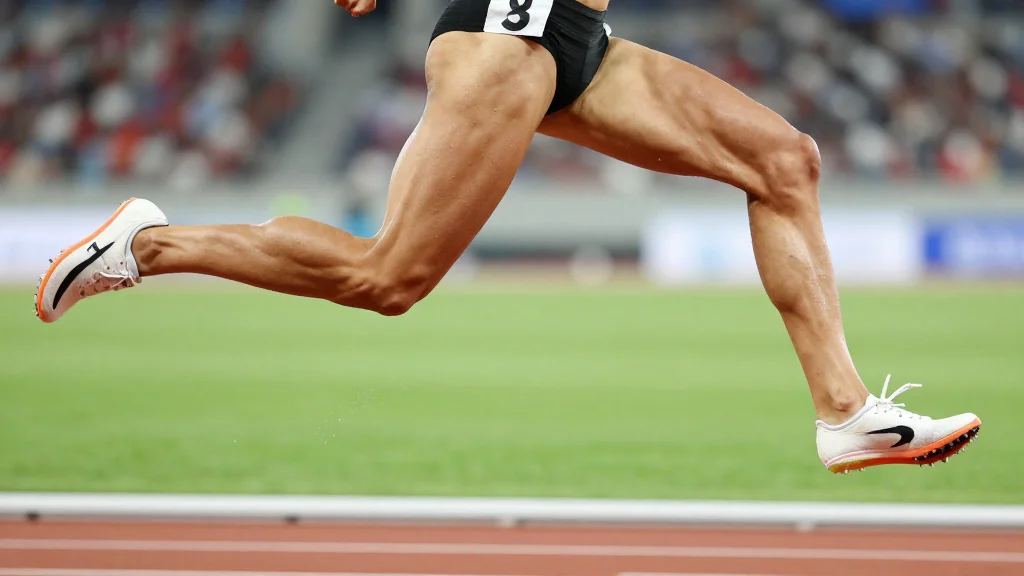
These standout performances illustrate how elite competition serves as a catalyst for broader fitness advancements. Richardson’s ability to overcome a substantial handicap showcases the limits of human speed and the importance of biomechanical precision, informing training methodologies for sprinters at all levels. In cycling, Pogačar’s dominance and Backstedt’s rapid ascent highlight the evolving physiological demands of classic races, prompting equipment innovators and sports scientists to develop lighter frames, more efficient power meters, and injury‑prevention protocols. Together, these events drive a feedback loop that elevates both professional standards and consumer fitness products. The ripple effects extend beyond the athletes. Regional economies hosting such events experience a surge in tourism and infrastructure investment, while sponsors gain high‑visibility platforms to market health‑focused products. The heightened media coverage also amplifies public interest in endurance sports, encouraging participation in grassroots running and cycling programs that benefit public health.
Key Takeaways
- •Sha‑Carri Richardson wins Stawell Gift, overcoming a 10‑meter handicap.
- •Tadej Pogačar retains dominance at the Tour of Flanders, citing peer competition as a performance driver.
- •Zoe Backstedt climbs from 56th to 5th place in the women's Tour of Flanders, signaling a new wave of versatile riders.
- •American cyclists Magnus Sheffield crashes, Luke Lamperti leads early breakaway, highlighting race volatility.
- •Regional economies see spikes in hospitality and security demand due to elite athlete appearances.
Pulse Analysis
The 2026 elite race season underscores a pivotal shift where performance narratives are as valuable as podium finishes. Richardson’s handicap victory is not merely a statistical anomaly; it reflects a growing emphasis on data‑driven training that can translate to broader fitness markets. Wearable tech companies are likely to capitalize on this by offering real‑time velocity and acceleration analytics to amateur runners seeking to emulate elite tactics.
In cycling, Pogačar’s acknowledgment that fellow superstars push him to new levels reveals a competitive ecosystem that fuels continuous physiological upgrades. This dynamic is prompting equipment manufacturers to accelerate R&D cycles, focusing on marginal gains in aerodynamics and power transfer. Backstedt’s ascent, framed by her emphasis on fun, hints at a cultural shift where mental well‑being is integrated into high‑performance training, a trend that could reshape coaching philosophies across the fitness industry.
Looking ahead, the convergence of elite performance, advanced analytics, and heightened media exposure will likely blur the lines between professional sport and consumer fitness. As sponsors and tech firms harness these stories, we can expect a surge in accessible training platforms that bring elite‑level insights to the masses, redefining what peak fitness looks like for everyday athletes.
Elite Sprint and Cycling Stars Deliver Dramatic Comebacks at 2026 Stawell Gift and Tour of Flanders
Comments
Want to join the conversation?
Loading comments...